

In a surprising break with tradition, this year’s World Economic Forum (WEF) was held away from public view, far removed from the openness and proclaimed transparency of previous editions. This decision to move to an entirely closed-door format has given rise to widespread speculation about the themes and debates that unfolded behind Davos’s sealed rooms.
Davos Behind Closed Doors: Between Speculation and Reality
For the first time, Chinese representatives were specifically invited, signalling a desire to broaden perspectives and exchanges at the summit. Yet what drew the most attention was the arrangement of a dedicated chamber reserved for a select group of participants. Among them, prominent figures such as members of the Blackrock board of directors, Elon Musk, Ursula Von Der Leyen, and Friedrich Von Hessler - awakening curiosity and conjecture about the nature of their discussions.

Contrary to expectations, it appears that this year’s agenda veered away from the usual environmental topics to focus on a pressing demographic issue: the accelerating decline in fertility observed across Europe. This shift marks a significant change in the forum’s priorities, suggesting a growing awareness of demographic challenges and their potential impact on the global economy, the social fabric, and the future of the continent.
Demographic Stakes: An Unexpected Turn in Global Discussions
The absence of detail and the secrecy surrounding the discussions have fuelled speculation about the proposals and solutions being considered by the global elite. The involvement of influential figures from the worlds of technology, finance, and European politics suggests a multidisciplinary approach to addressing the challenges of fertility decline.
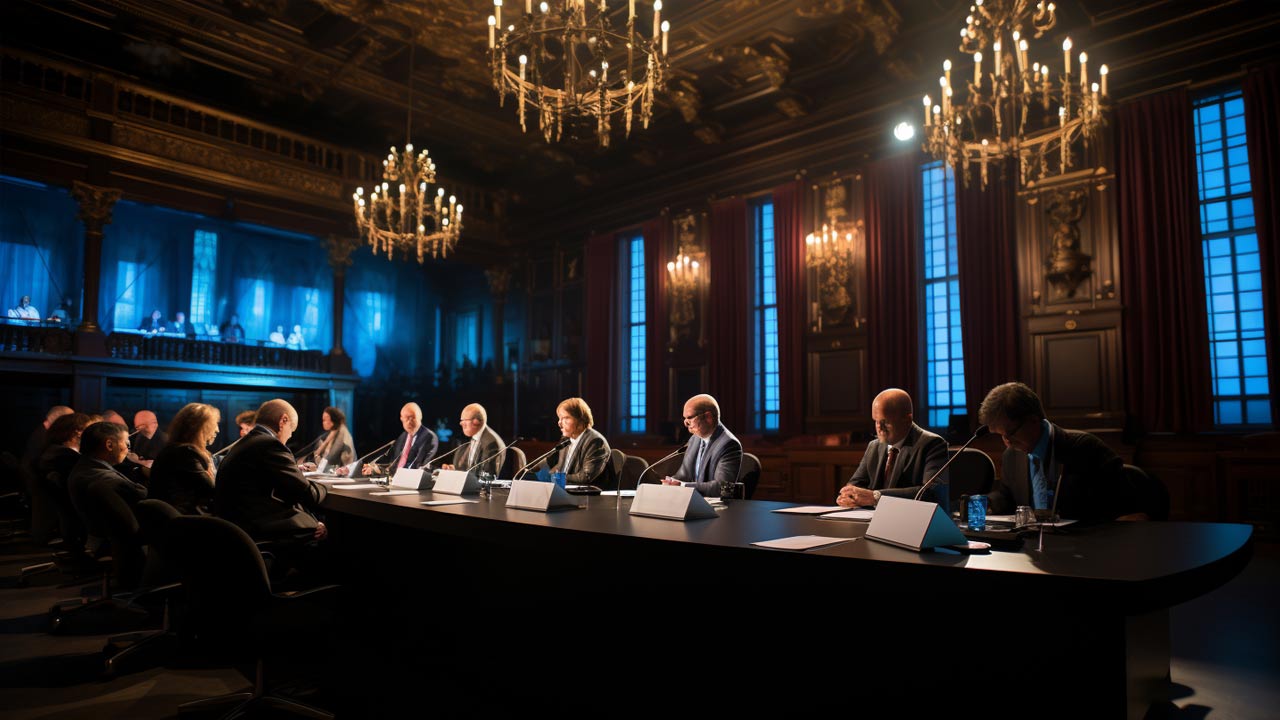
This closed-door event raises important questions about the transparency and accessibility of deliberations that carry the potential to affect entire populations. As the world waits for revelations or official communiqués, the 2024 Davos summit will be remembered as a moment of mystery and a potential reorientation of global priorities in the face of Europe’s demographic challenges.