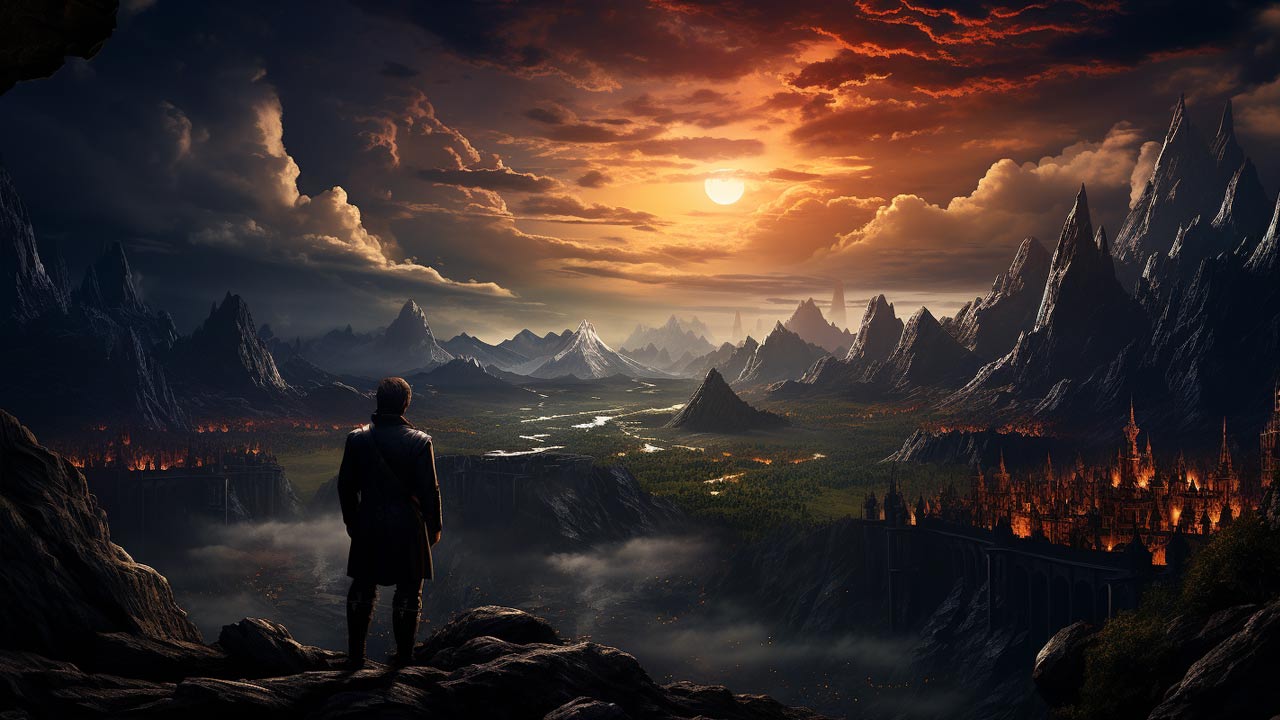
In a distant kingdom, beneath a sky both clear and dark, There ruled a President whose pure ambition Surpassed the mountains, the valleys, the walls. His people, weary and grey, no longer believed in his ventures.
This leader, consumed by a dream of glory and power, Sought through war to burnish his own existence. “A conquest, dear friends, for the glory of our nation, Shall lead us to greatness, to unity, to passion.”
But this war, alas, was lost before it had begun - Purposeless, senseless, sheer madness. The wise men of the council, in whispered confidence, muttered That their chief, through pride, had led them all astray.
It was not for the people, nor for the land, But for himself alone, and his desire to please Those who, lurking in shadow, were pulling the strings, Hoping in this folly to find their spark.
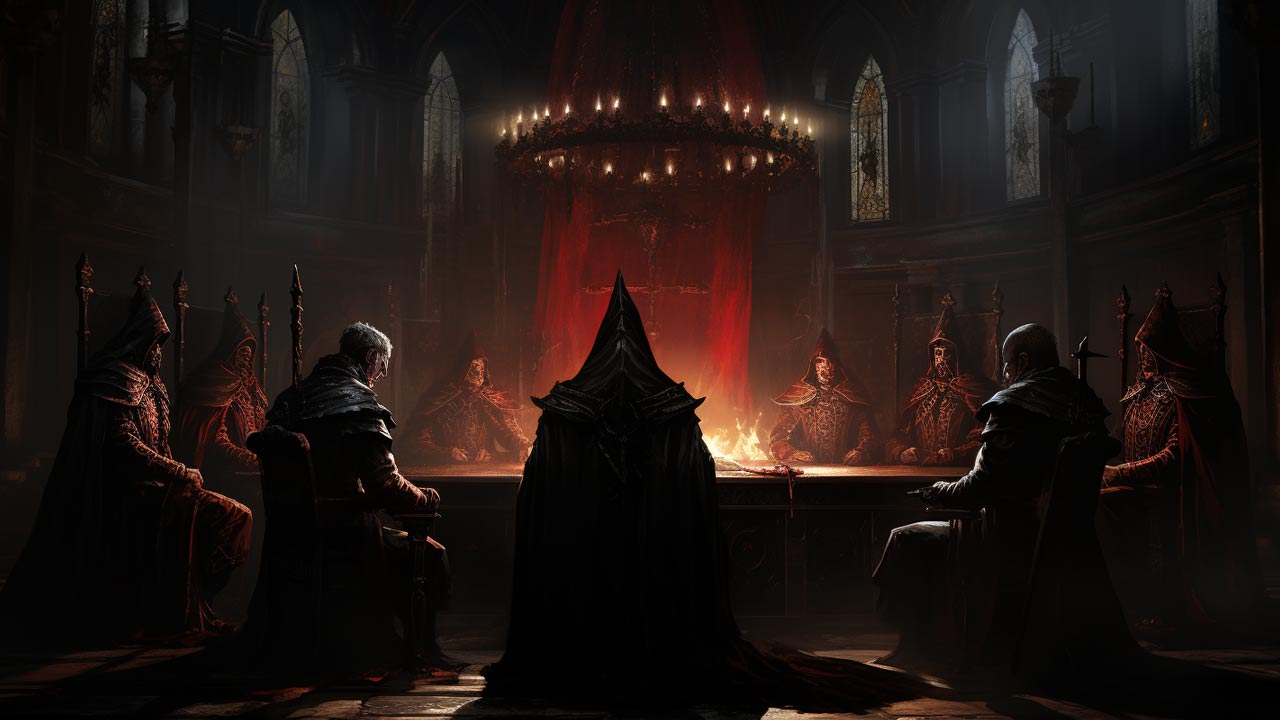
“A king without a people is a field without seed,” Said the labourer, in full lucidity. But the President, deaf to such wisdom, Saw in this conflict the bright reflection of his image.
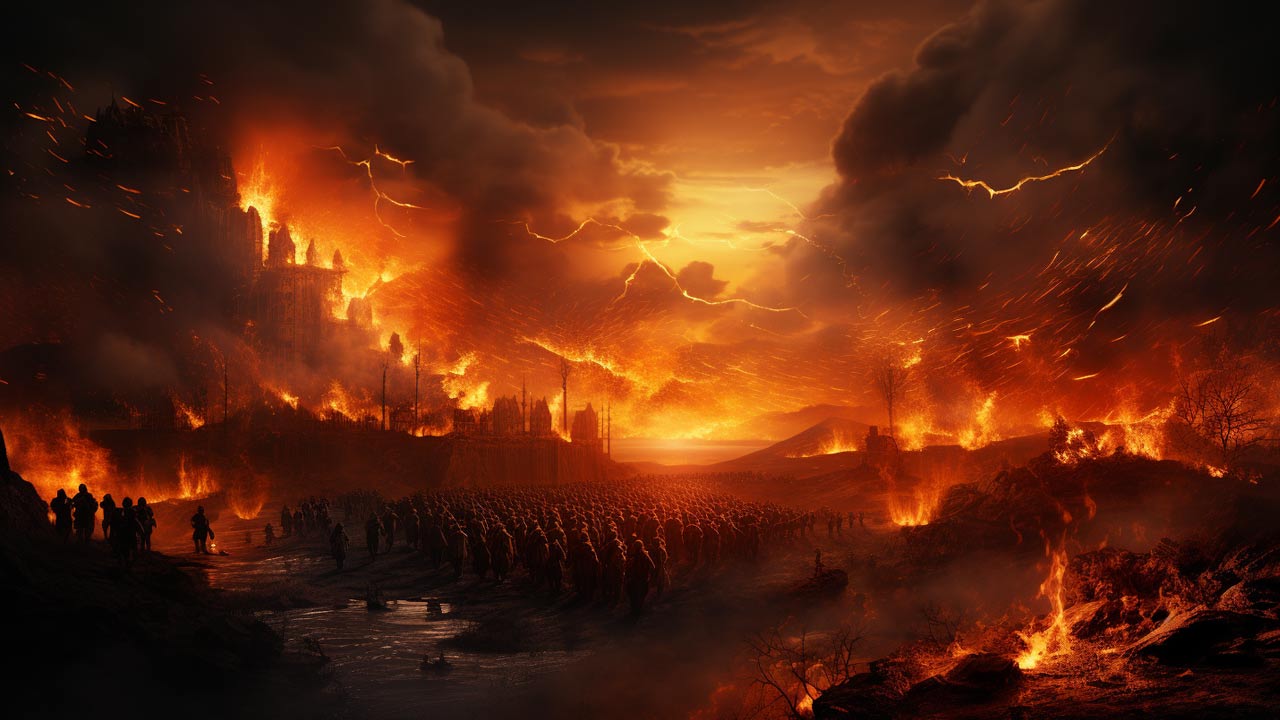
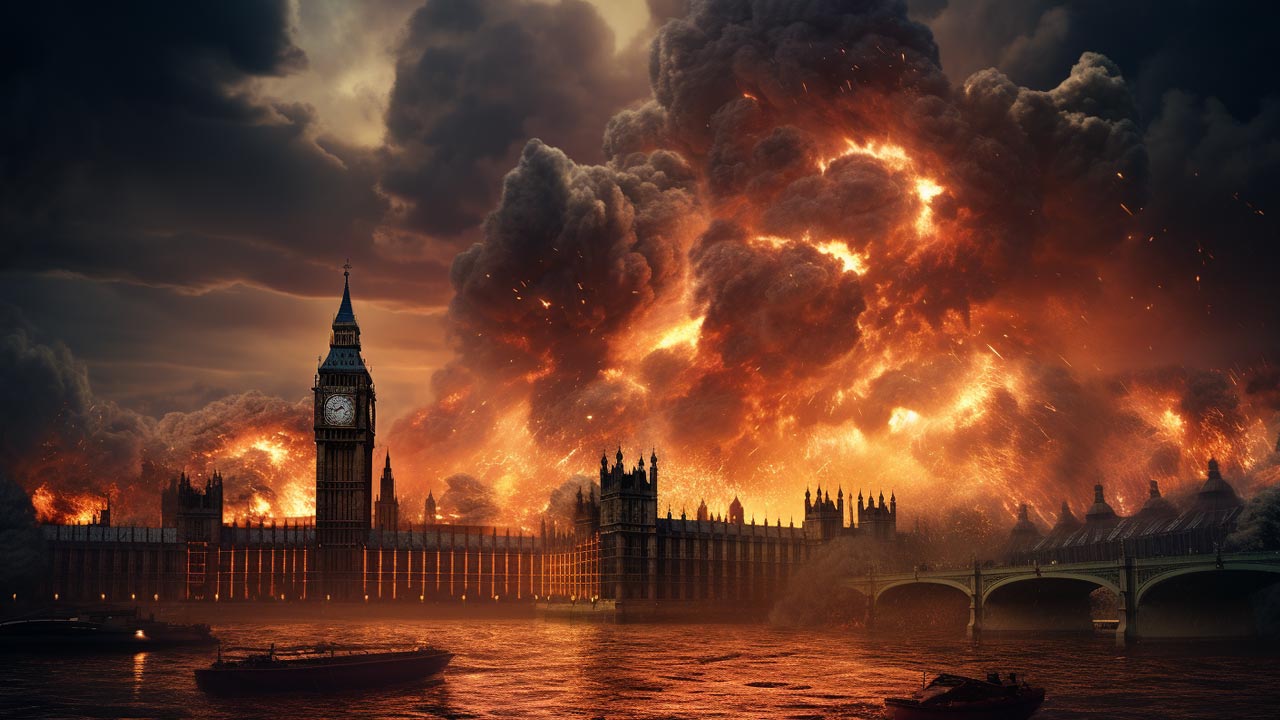
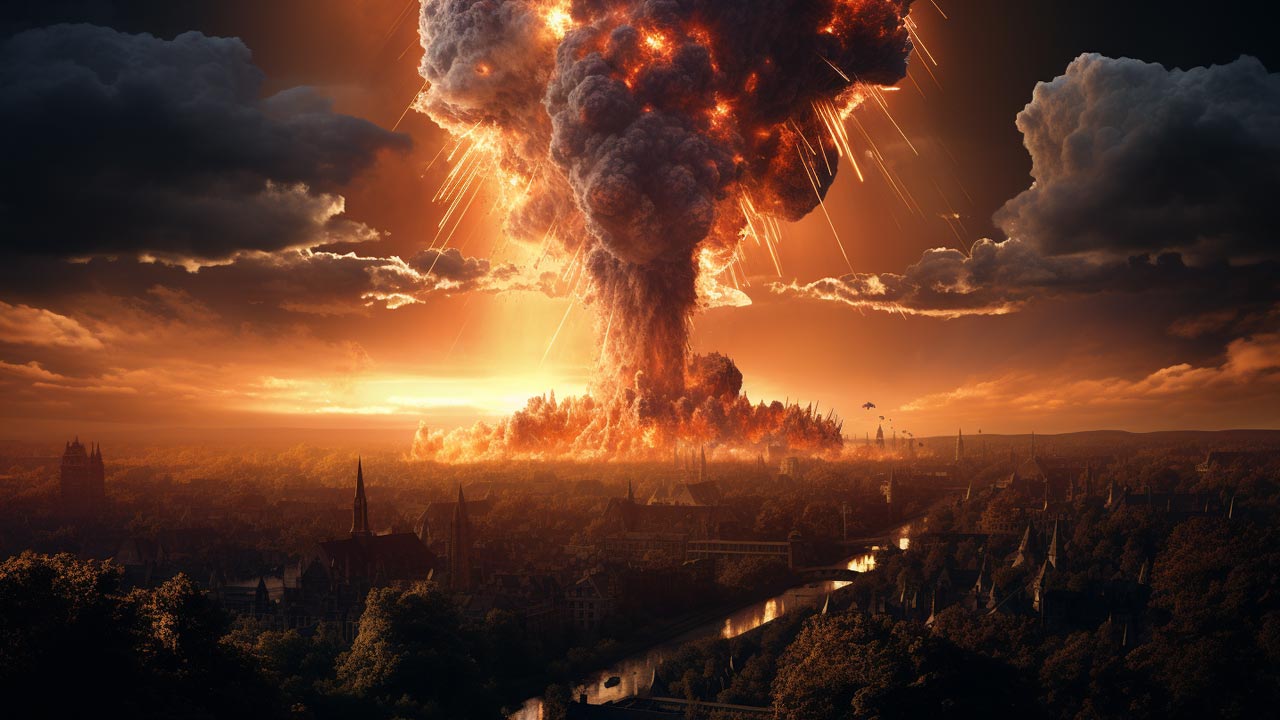
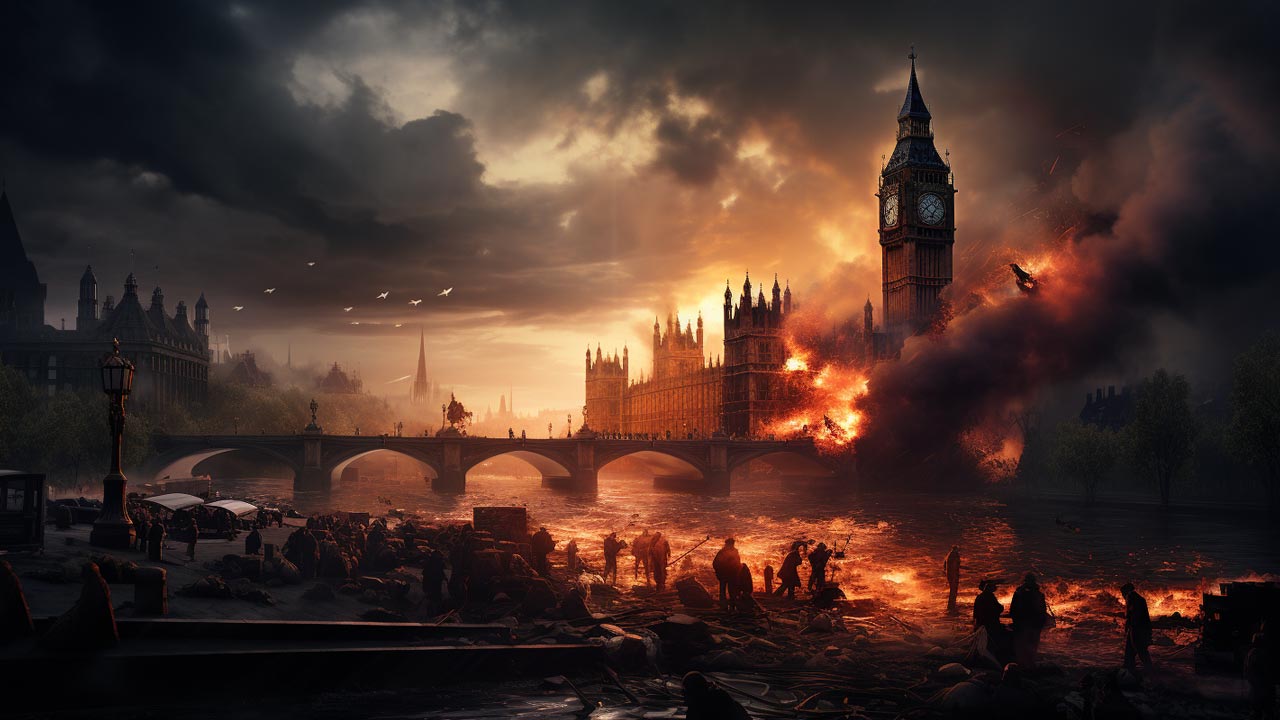
The war erupted, terrible and without mercy. Blood was shed, the earth wept for her sons. Villages burned, fields were laid waste, Children’s dreams smothered beneath the ashes.
The people, exhausted, found in this war Nothing but pain and misery, a deserted land. They understood then that the ambition of one man Could shatter lives and extinguish a thousand flames.
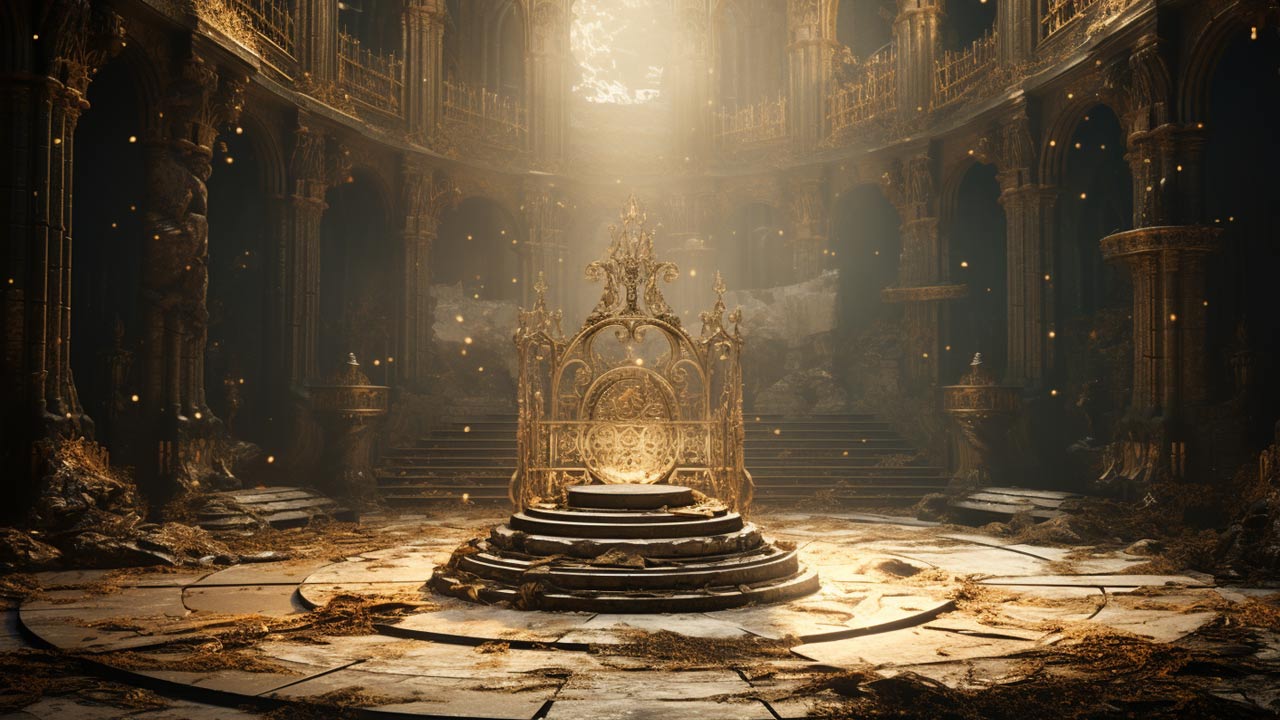
When silence at last returned to the land, The President found himself alone - no friends, no brothers. His people had departed, seeking peace and healing, Leaving him as his kingdom: ruins and desolation.
So ends the tale of the fallen leader, Who, for a selfish dream, had lost everything. La Fontaine tells us, pen in hand: “To serve one’s own interest is to walk a ruinous path.”