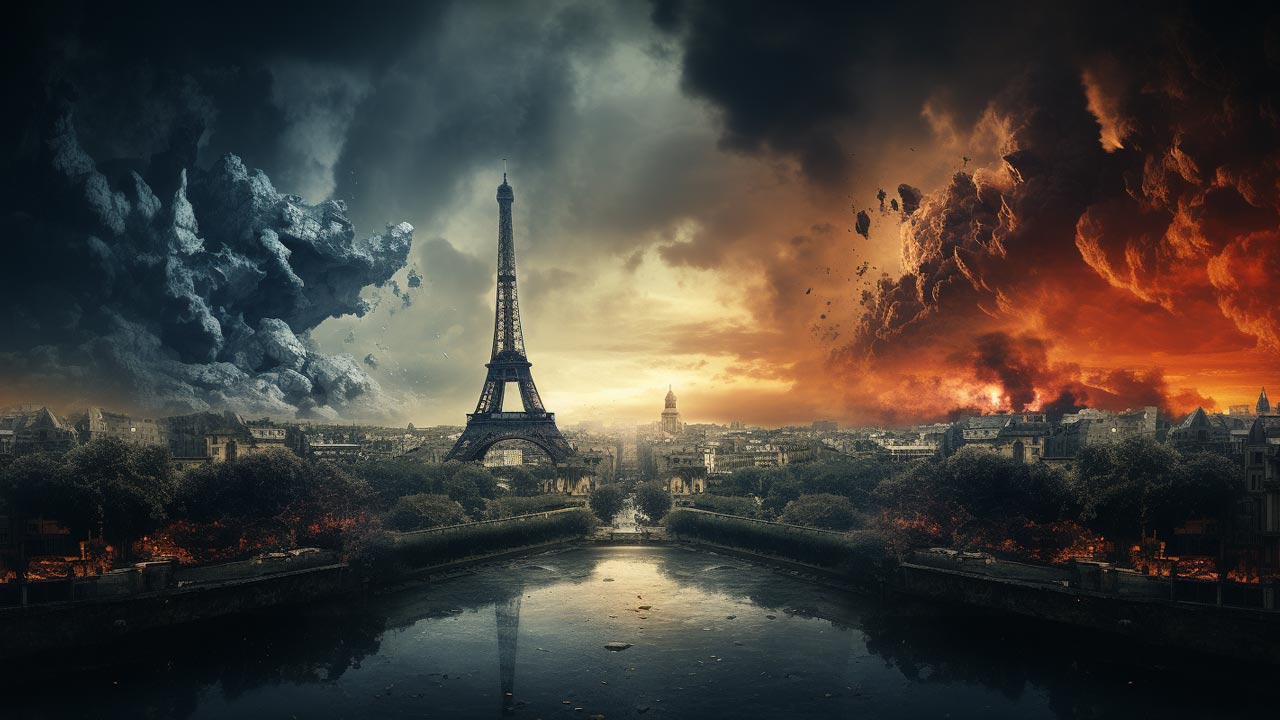
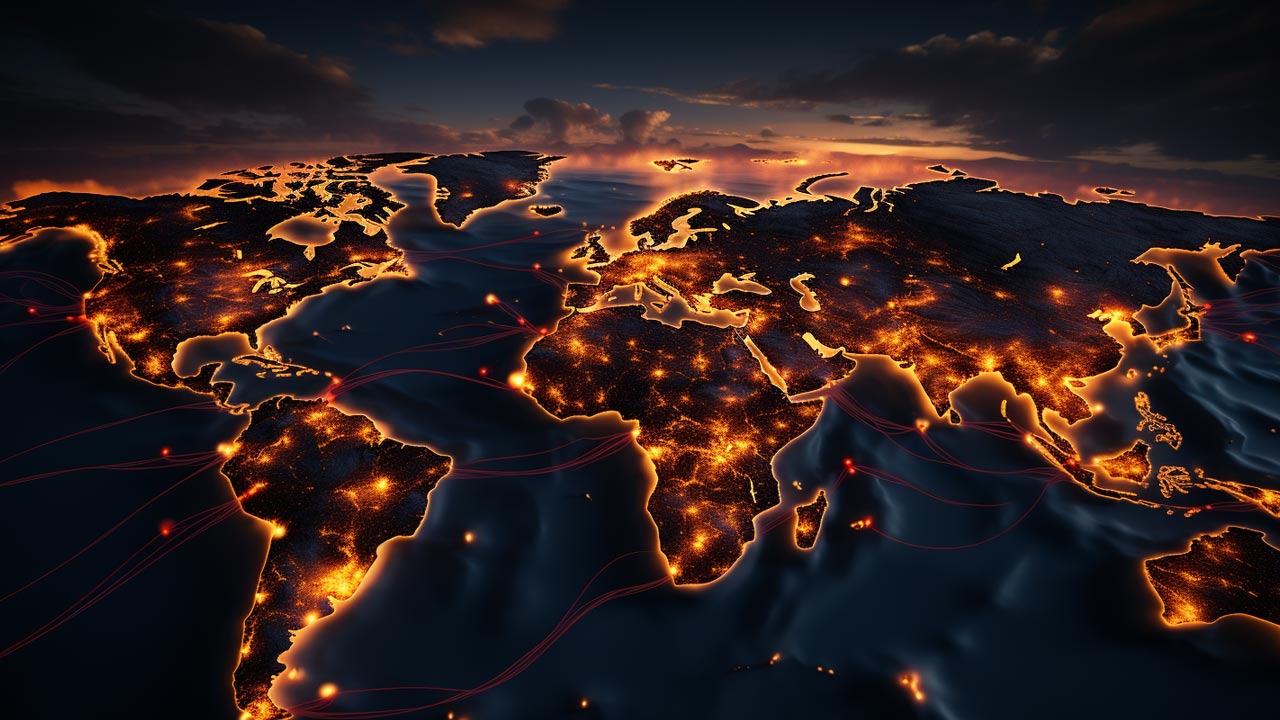
In this pivotal year of 2027, the world bears witness to an unprecedented acceleration of civilisational decline. The already weakened foundations of our world order seem to buckle beneath an unrelenting succession of crises. Among them, energy has moved to the centre of the debate, becoming a major geopolitical lever. Russia, fully aware of its dominant position as a natural gas supplier, has chosen to impose severe restrictions on its gas deliveries - targeting India and other BRICS nations in a bold manoeuvre that appears designed to redraw the global balance of power.
An unprecedented energy crisis
The effects of these restrictions are already being felt. Natural gas prices have soared, plunging countless countries into an energy crisis without precedent. Europe, already gripped by political and economic instability, finds itself particularly exposed - its dependence on Russian gas a well-known Achilles’ heel. Governments the world over are on high alert, frantically seeking alternative solutions to offset the shortage.
Russia’s manoeuvre is not merely a matter of market dynamics. It is the expression of a broader strategy aimed at eroding confidence in international institutions and promoting authoritarian regimes more closely aligned with its own interests. By inflaming existing tensions and opening new fault lines, Russia hopes to weaken traditional alliances and redefine spheres of influence to its advantage.
A threat to global stability
The implications of this crisis reach far beyond economics and politics. They strike at the very fabric of our societies, deepening inequalities and exposing the fragilities of our civilisational model. Protests, now commonplace, bear witness to the profound social unease that has gripped the world’s population, now confronted with an ever-narrowing range of choices.
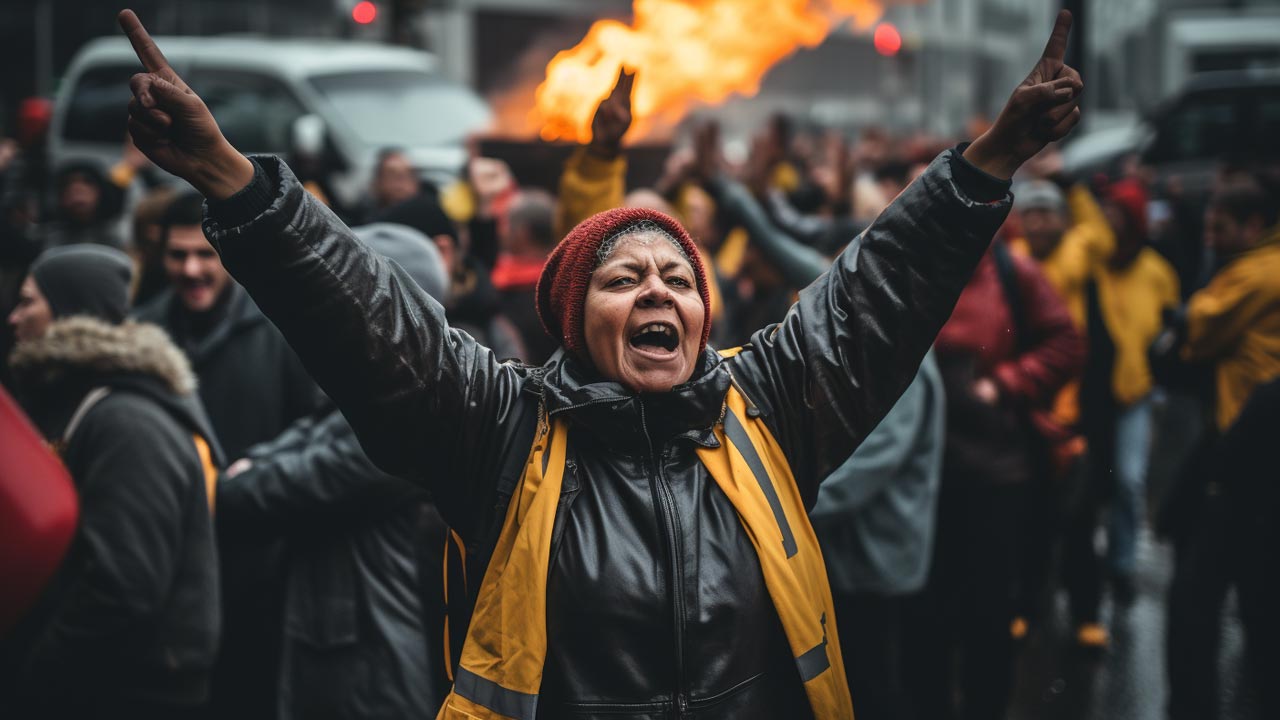
Against this backdrop, the call for an accelerated energy transition and greater international solidarity has never been more urgent. It is imperative that we rethink our dependence on fossil fuels and build a more resilient and equitable energy system. The current crisis could prove the spur needed to catalyse that transformation - provided nations can overcome their differences and work together towards a shared future.
As the situation continues to unfold, one thing is clear: 2027 will mark a turning point in the history of our civilisation. The decisions taken today will shape the world of tomorrow, for better or for worse.