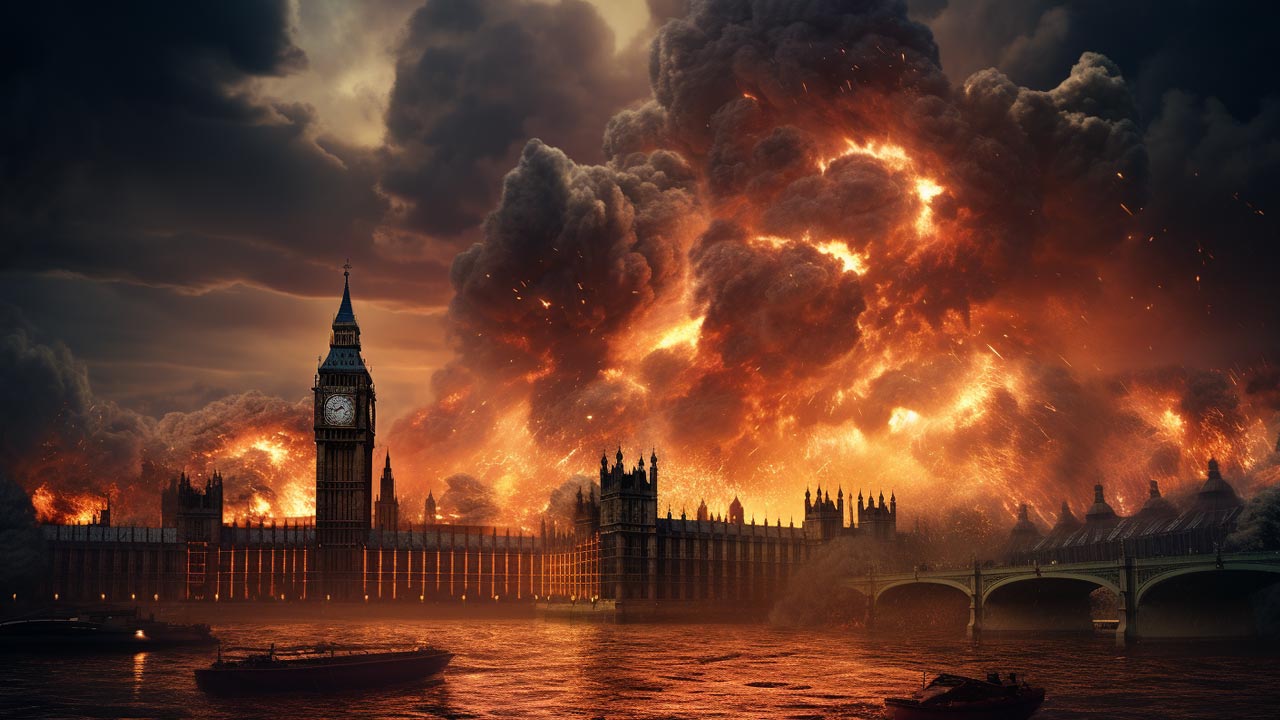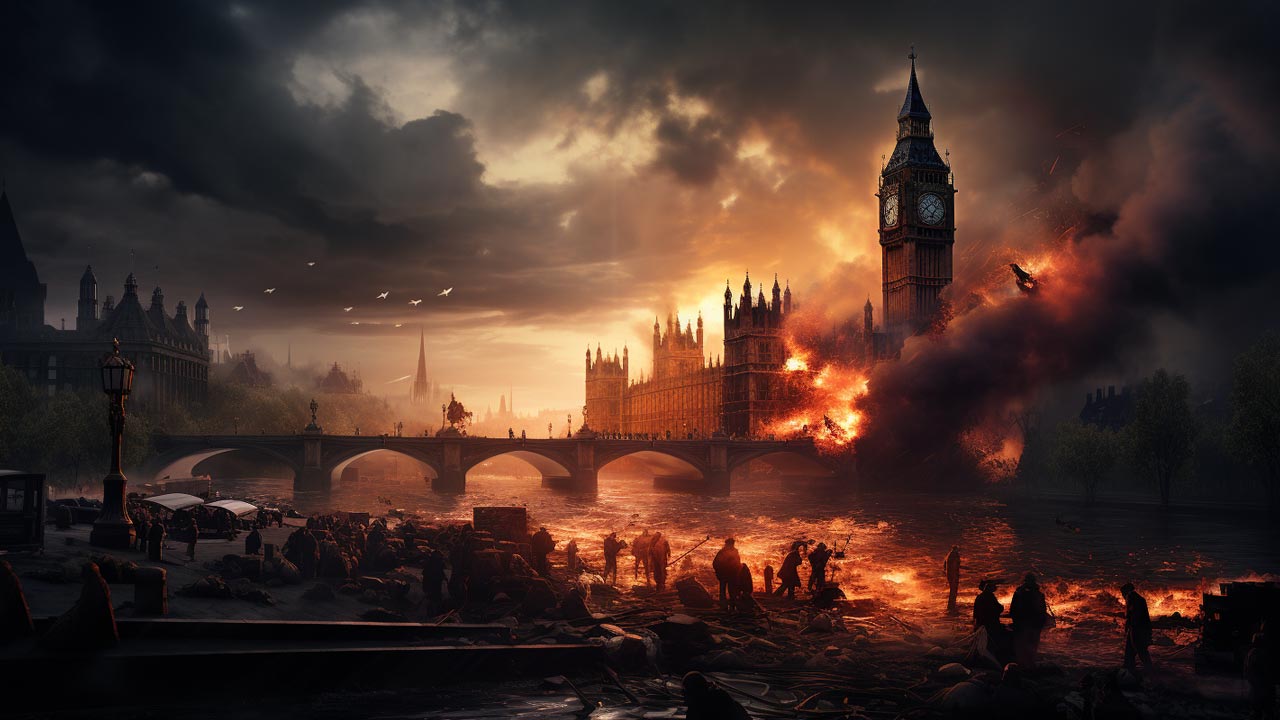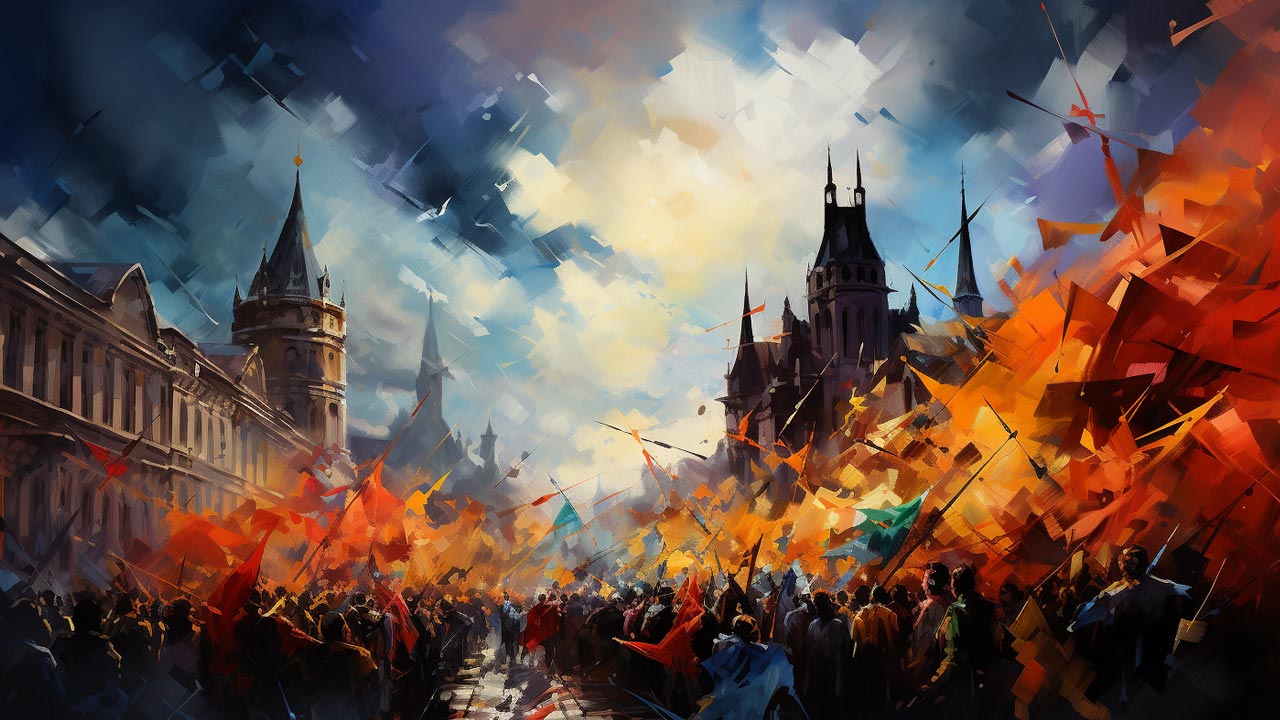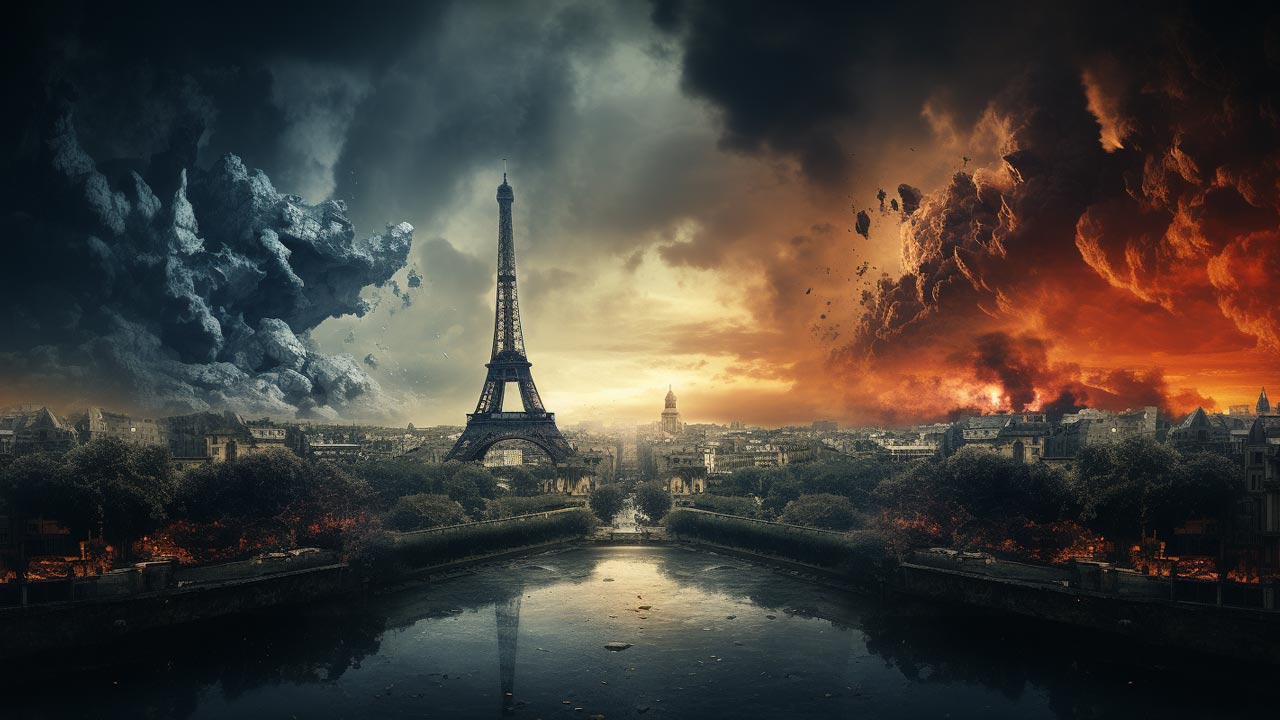
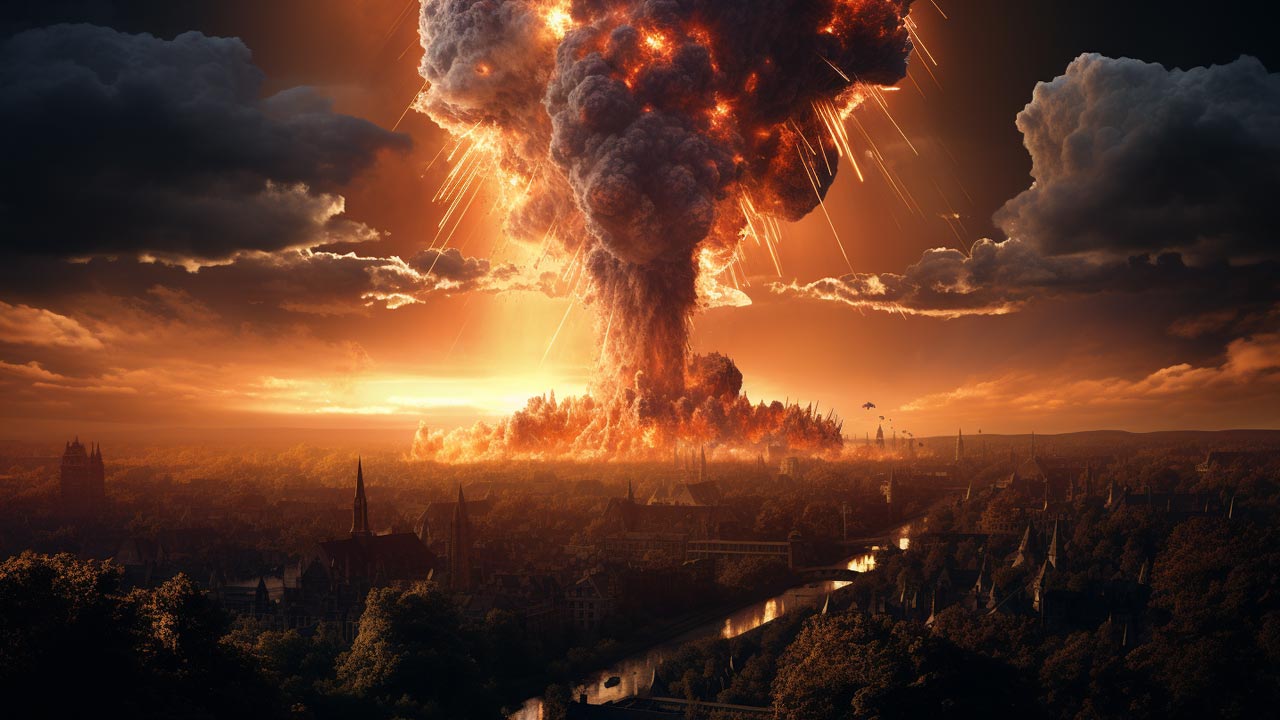
The 12th of July 2028 will be etched into history as one of the darkest days of our recent past. Strasbourg, that enduring symbol of European unity, became the site of a tactical nuclear explosion - the fallout of which reaches far beyond the immediate human and environmental tragedy. This catastrophe, striking at the very heart of Europe, has sharpened an already volatile world situation, hurling the international community into a spiral of accusation and mistrust.
A Spark in the Powder Keg
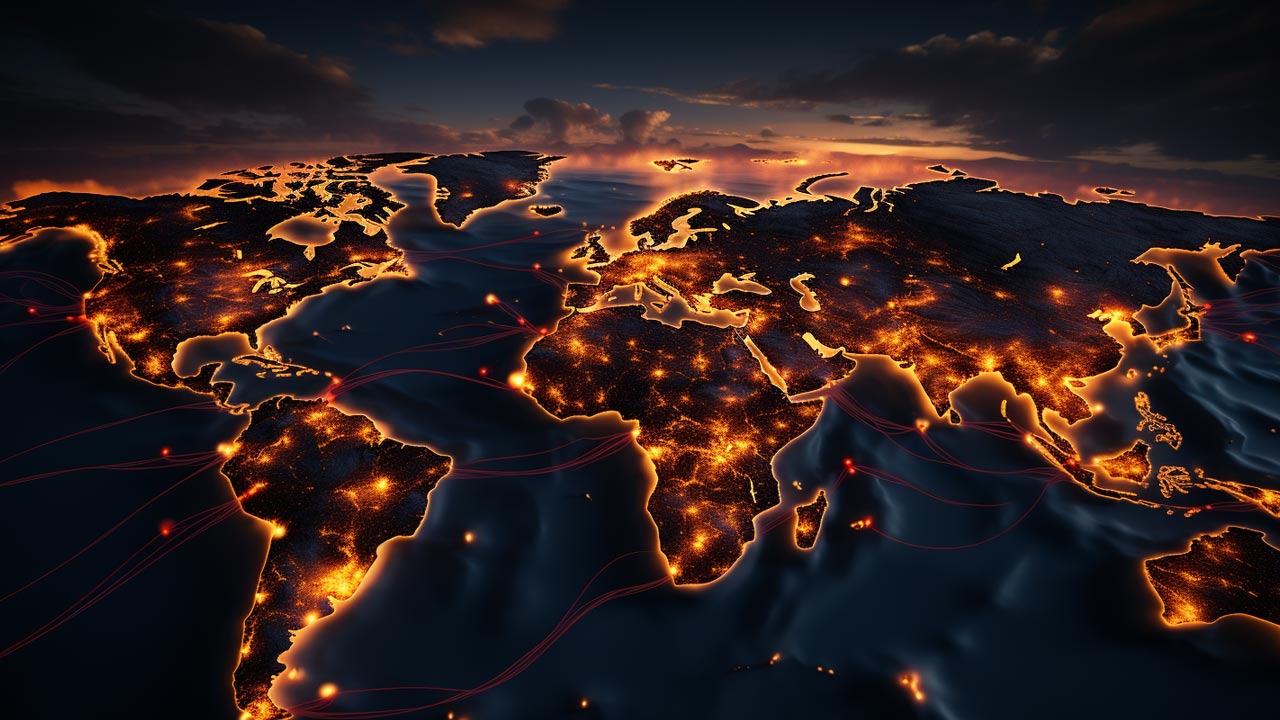
For months, the world has been gripped by a profound crisis - geopolitical conflicts inflamed, economic instability mounting, and a deepening mistrust of international institutions. The Strasbourg explosion merely adds to an already harrowing litany of disasters, in a climate where the spectre of global confrontation has never felt so tangible.
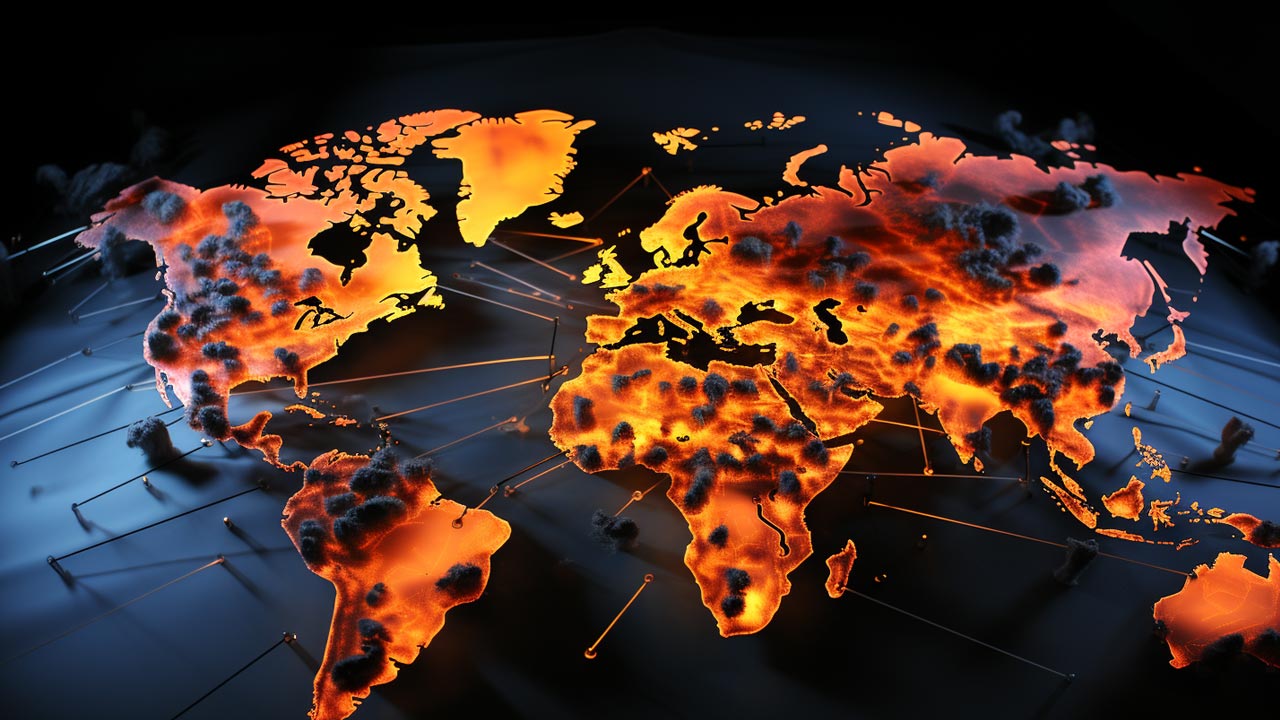
Early reports quickly pointed to Iran as the source of the missile, triggering a wave of accusations and counter-accusations across the globe. Governments already on edge reacted with fury, pointing fingers at their habitual adversaries and stoking tensions that were already dangerously high. The spectre of military escalation has become a terrifying reality, with every nation bracing for the worst.
A World on the Brink
Why Strasbourg was chosen - and who truly ordered the strike - remains shrouded in mystery. Theories abound: a false-flag operation designed to destabilise Europe, a desperate act within a strategy of international tension. What is certain is that this act served as a catalyst, transforming a latent crisis into open confrontation.
The international community stands at a critical turning point. Calls for calm and diplomacy are all but drowned out by the din of war preparations. The fear of nuclear apocalypse, once consigned to the history books of the Cold War, is once again a tangible reality.
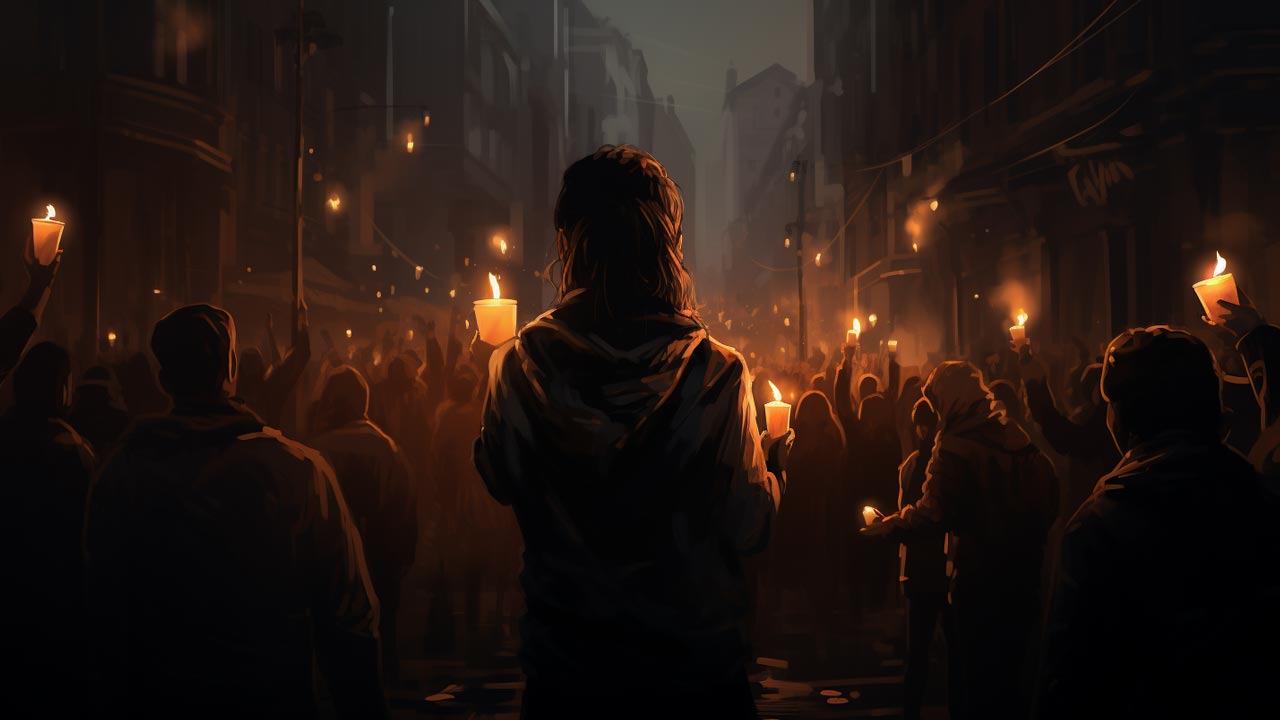
And Now, the Agonising Uncertainty
This article makes no claim to provide answers - it seeks only to underscore the urgent need for deep reflection on our shared trajectory. As world leaders gather to discuss the aftermath of the tragedy, the hope of a peaceful resolution grows ever dimmer, giving way to an agonising uncertainty about the future of humanity.

In this era of compounding crises, the nuclear explosion in Strasbourg is not merely an isolated tragedy - it is a symptom of a world teetering on the brink. The question now pressing upon us with terrible urgency is whether we can find the path of restraint and wisdom, or whether we are condemned to repeat the mistakes of the past, with consequences potentially irreversible for our civilisation.