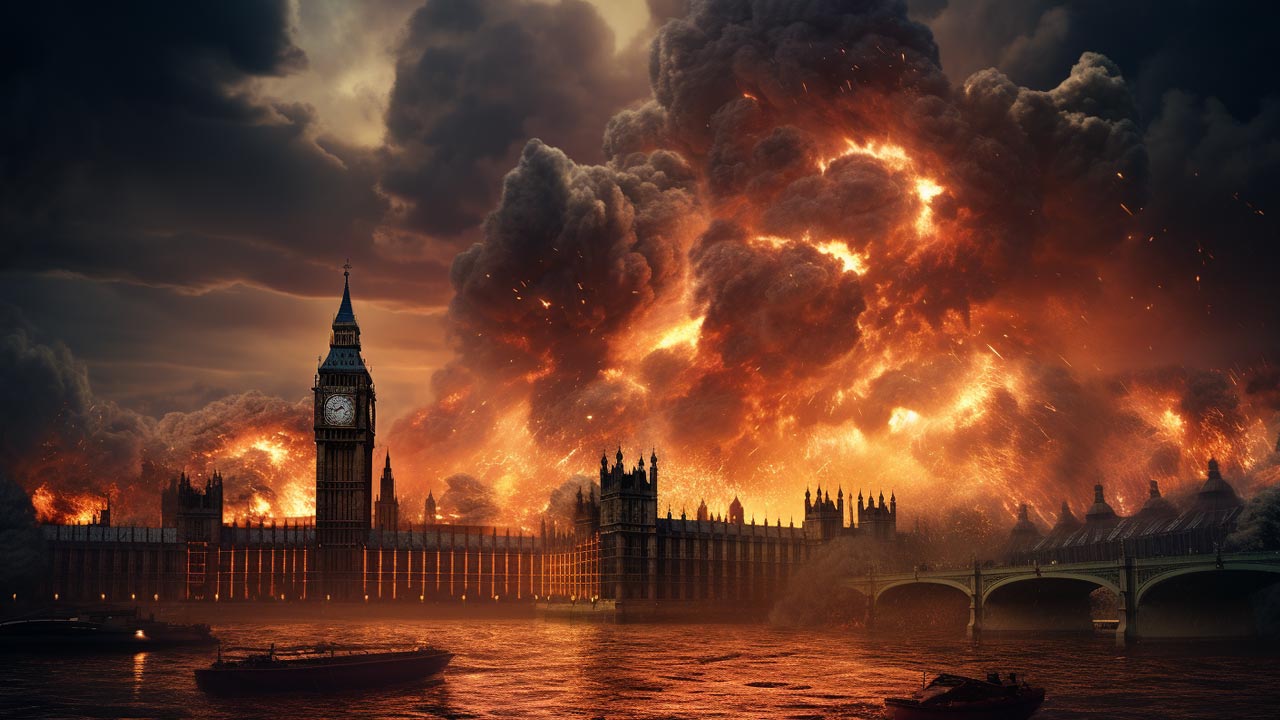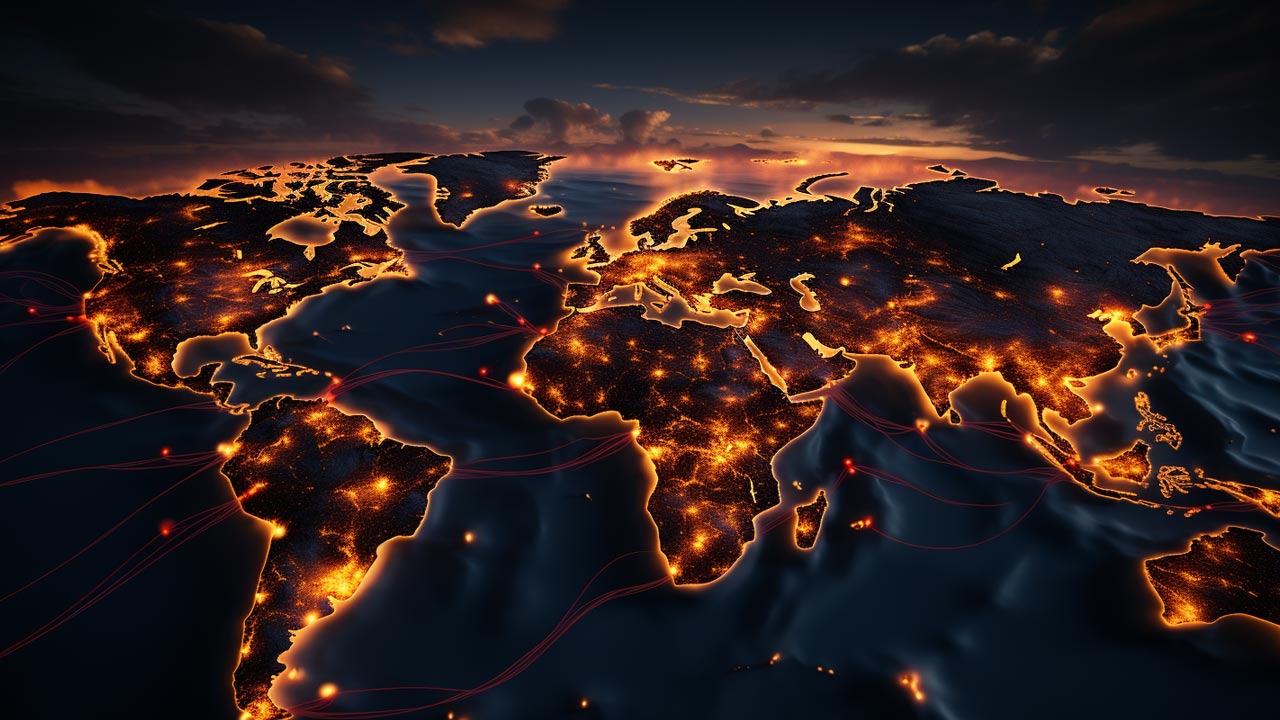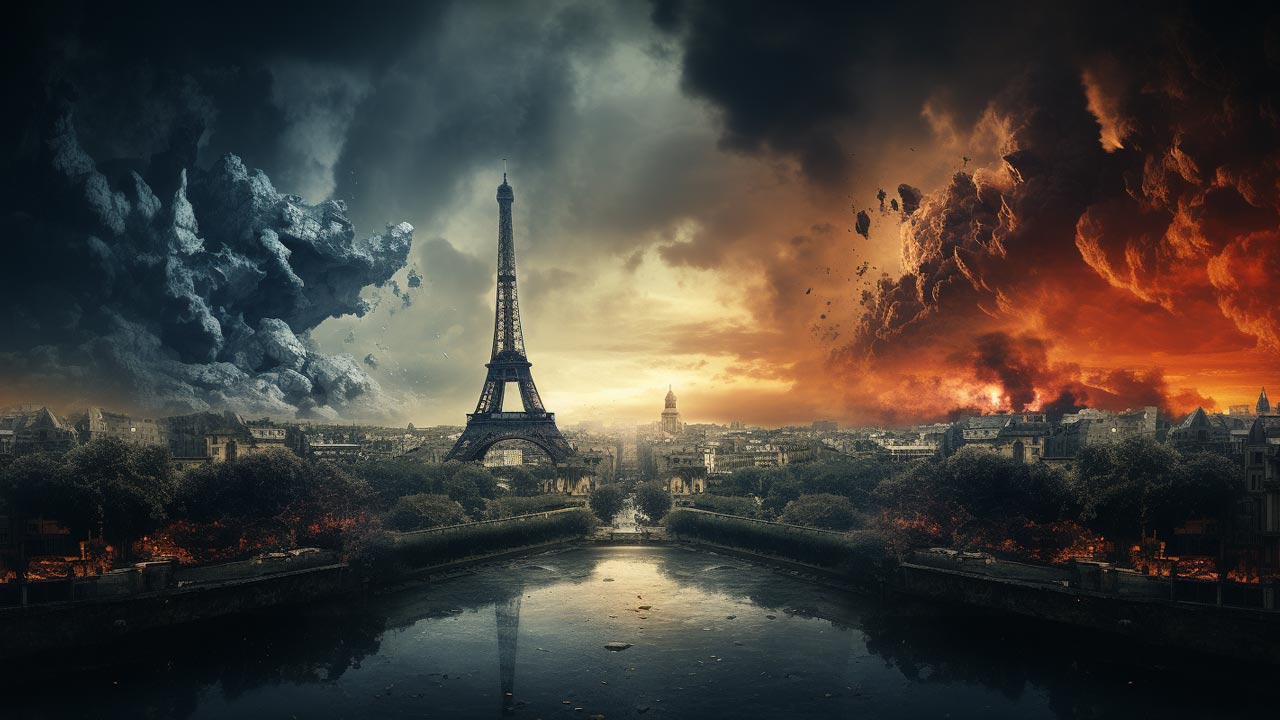
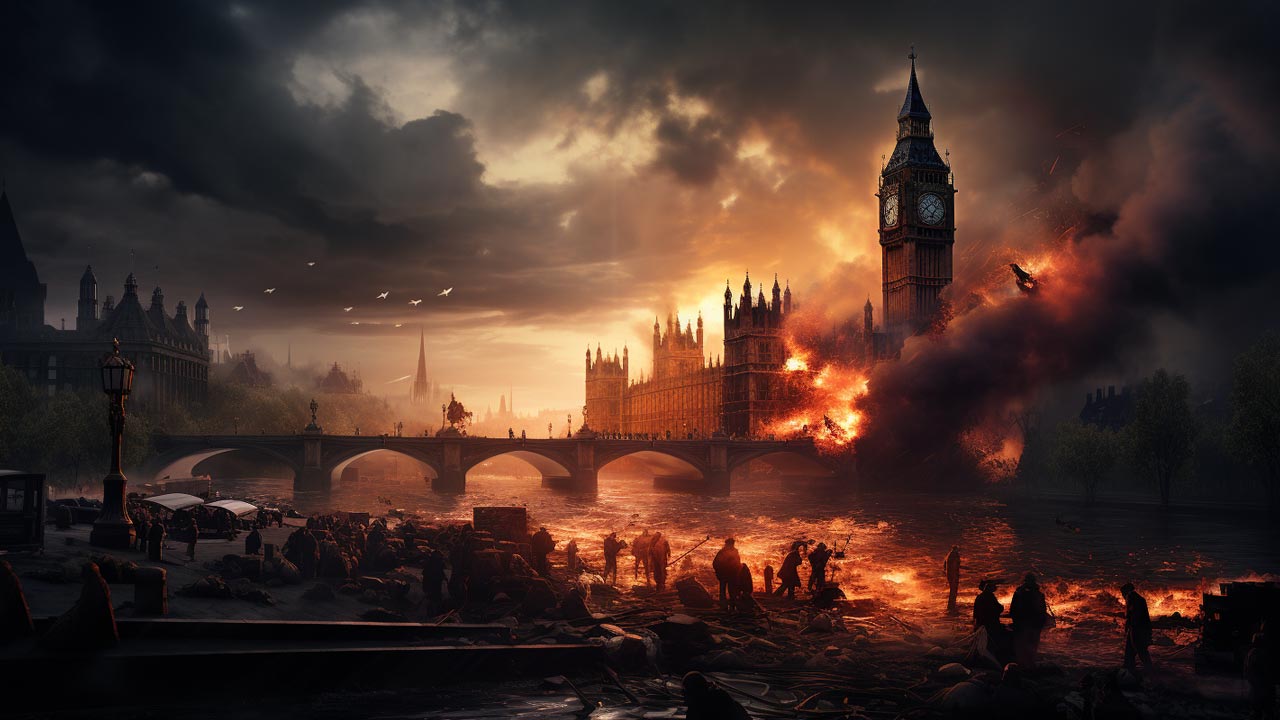
The year 2027 will be etched in history as the tipping point at which Europe - that ancient continent, cradle of civilisations and political union - plunged into indescribable chaos. A civil war of unprecedented ferocity erupted, fragmenting the continent into several warring factions, while the energy crisis inflamed tensions already at breaking point, triggering massive waves of migration, particularly across the countries of southern Europe. At the same time, financial markets, helpless witnesses to this descent into darkness, recorded vertiginous falls, heralding an economic collapse without precedent.
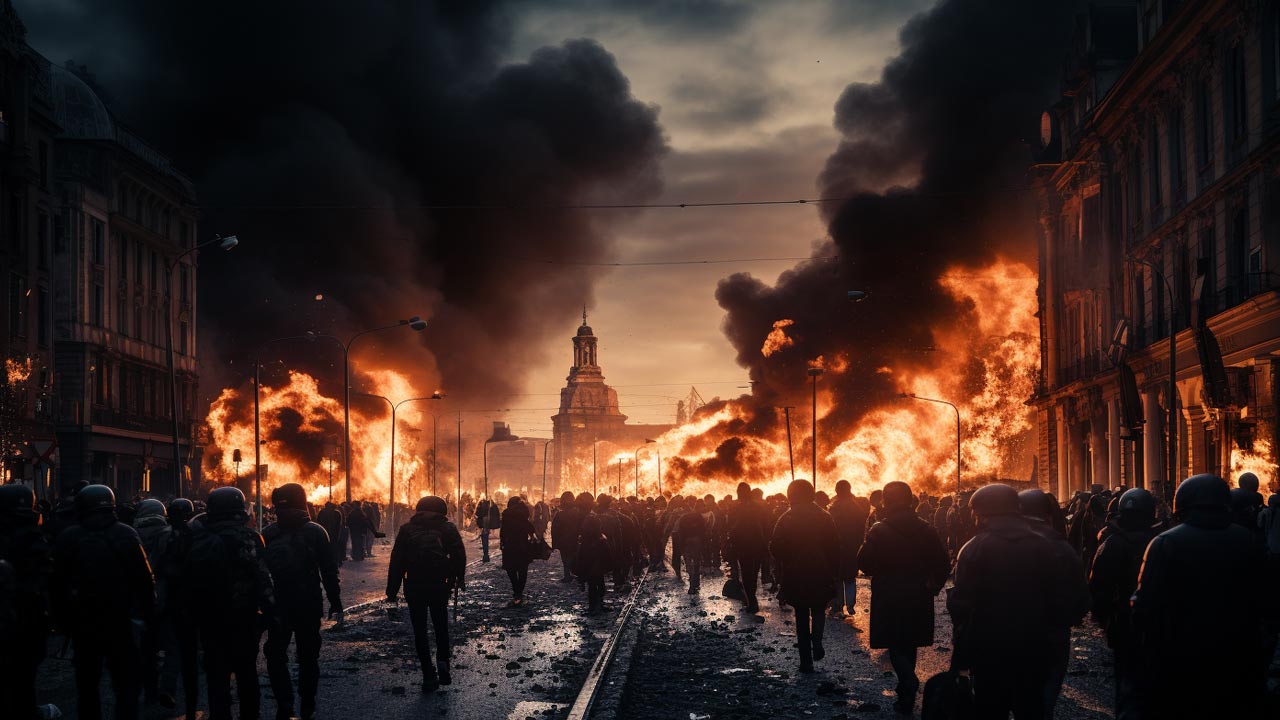
The civil war: a continent torn apart
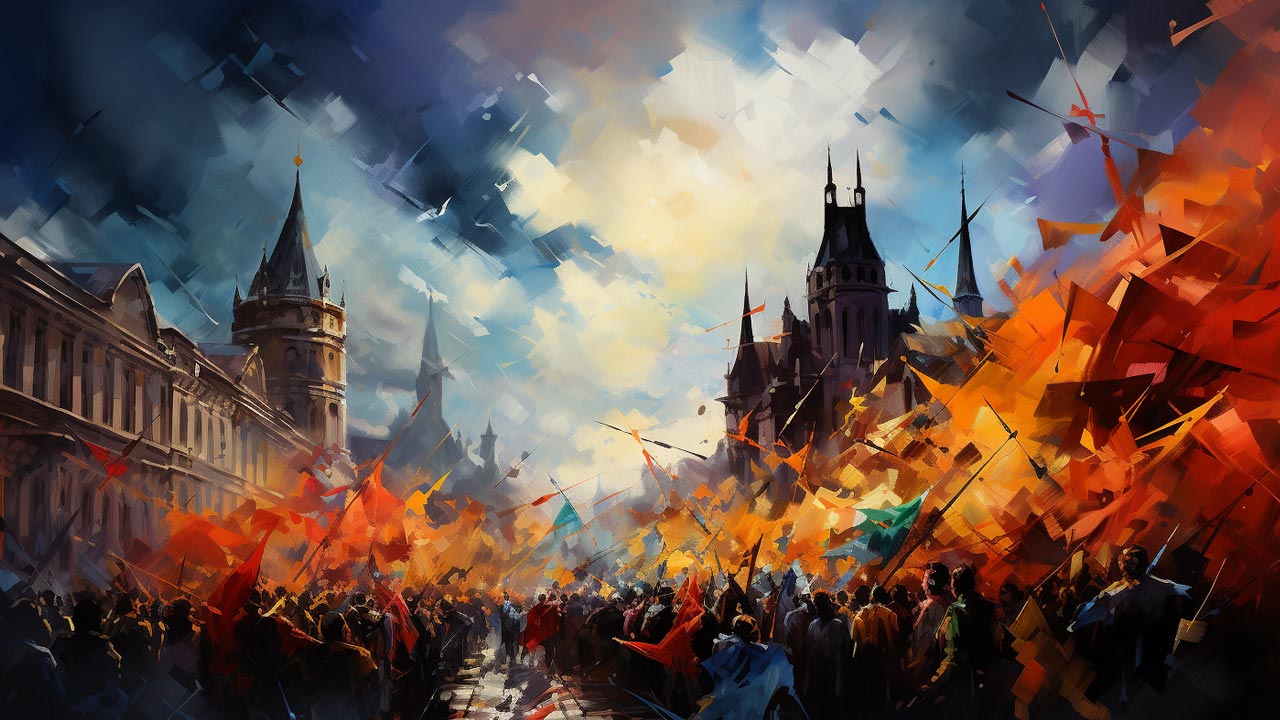
The first signs of fracture emerged with mass demonstrations, general strikes and isolated acts of violence - yet no one could have foreseen the rapid escalation towards full-scale civil war. Armed groups surfaced across several countries, exploiting popular discontent at governmental inaction and the inequalities deepened by the energy crisis. These conflicts quickly spiralled out of control, dragging Europe into a cycle of violence and despair.
An unprecedented migration crisis
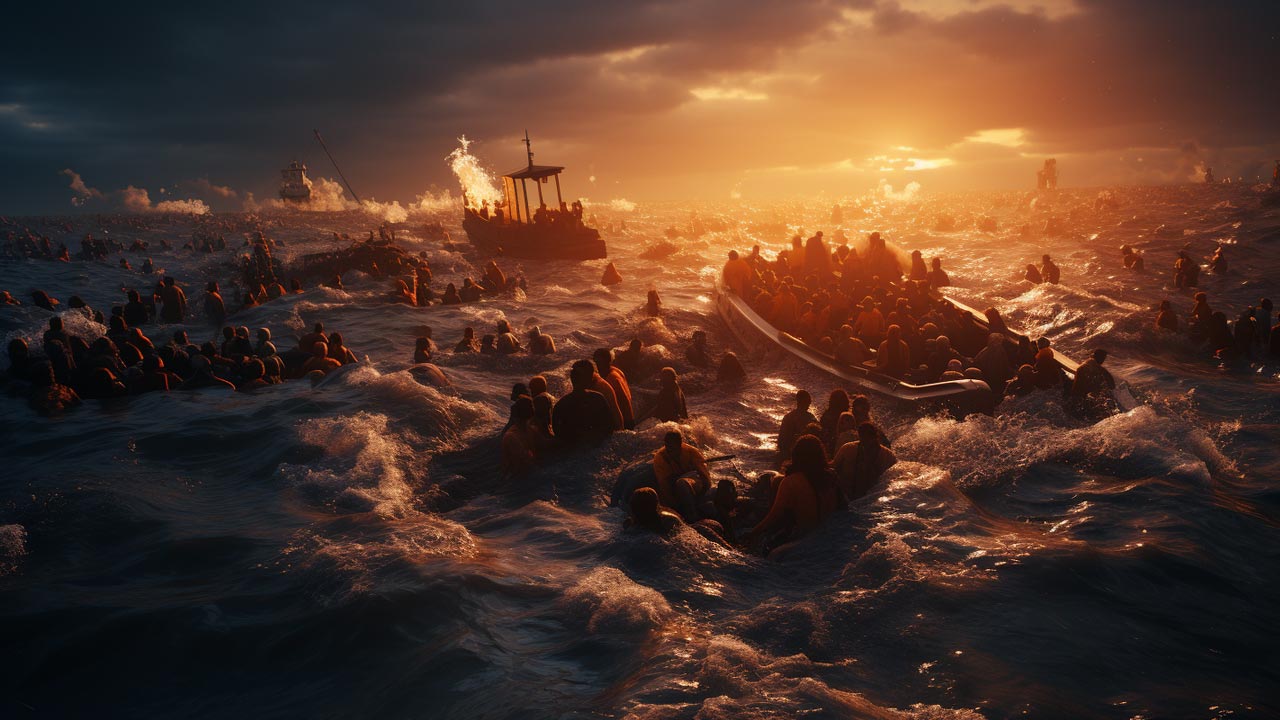
An already critical situation was compounded by a migration crisis of a scale never seen before. Waves of refugees fleeing conflict zones poured into southern Europe, desperately seeking safety and stability. These massive population movements placed enormous strain on the infrastructure and resources of host countries, generating further social and political tensions.
Financial markets in freefall
On the economic front, *the crisis reached its peak with a stock market collapse. Investors, panicked by political instability and bleak economic prospects, withdrew their capital en masse, causing spectacular falls across stock market indices. This collapse in confidence triggered an economic recession, further aggravating the humanitarian and social crisis across the continent.

Towards an uncertain resolution
As Europe struggles to find a way out of this multidimensional crisis, the world watches with unease the possible disintegration of a bloc once considered a pillar of global stability. The need for international intervention grows ever more pressing, in the hope of restoring peace and rebuilding what has been lost. Yet the road to reconciliation and reconstruction promises to be long and fraught with obstacles.
In this sombre context, one question lingers: will Europe be able to overcome its divisions and rebuild itself, or is it destined to remain a fractured continent - a monument to a union that was lost? Only time will tell.