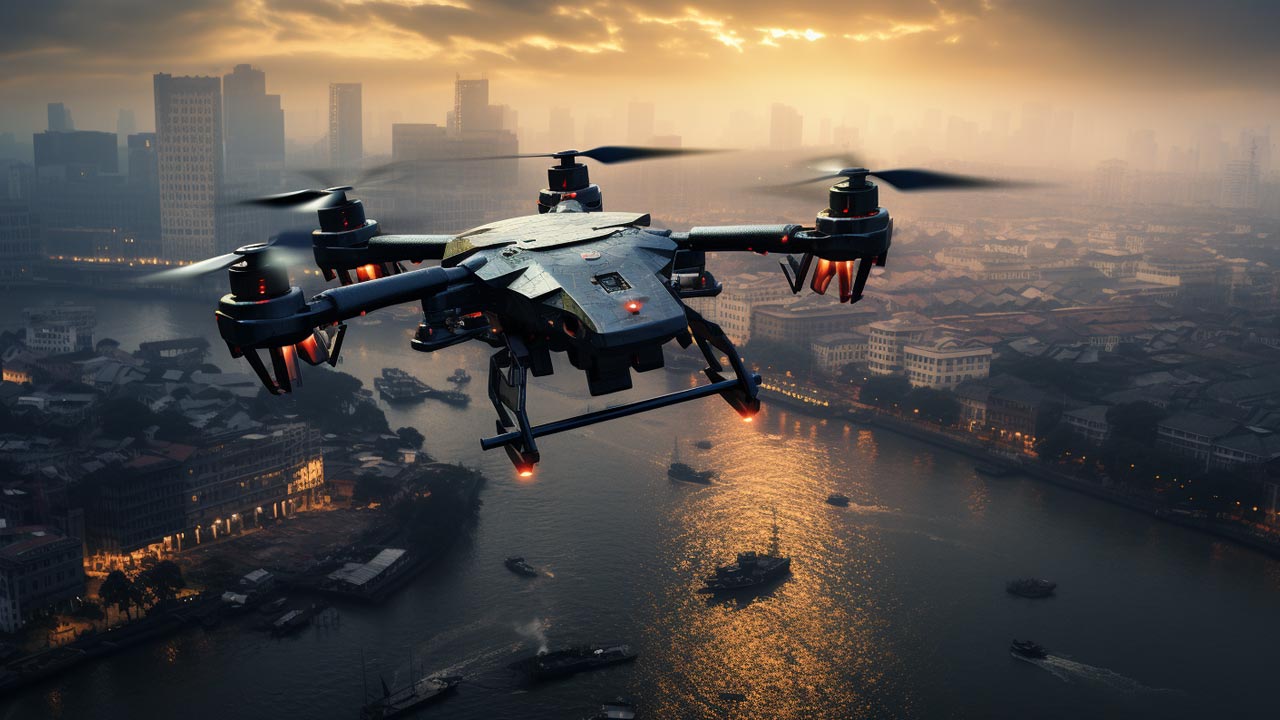

In this year 2026, as the world continues its plunge into an era of advanced digitalisation, the European Union has announced a series of measures aimed at strengthening the security of its critical infrastructure, particularly in the energy and communications sectors. Presented as a response to recent technological developments, the initiative raises questions about the real motivations behind these new policies.
European officials have stated that these enhanced security measures are essential to protect Europe against increasingly sophisticated cyberattacks and to ensure the safety of citizens and vital infrastructure.
Without stating it explicitly, one can read between the lines: these measures are above all designed to stem Russian and Chinese interference in European affairs.
Yet unofficial sources suggest the measures may also be a reaction to an unexpected breakthrough in artificial intelligence - one capable of comprehending and interfering with complex systems at a level never seen before.
Rumours of a revolutionary AI
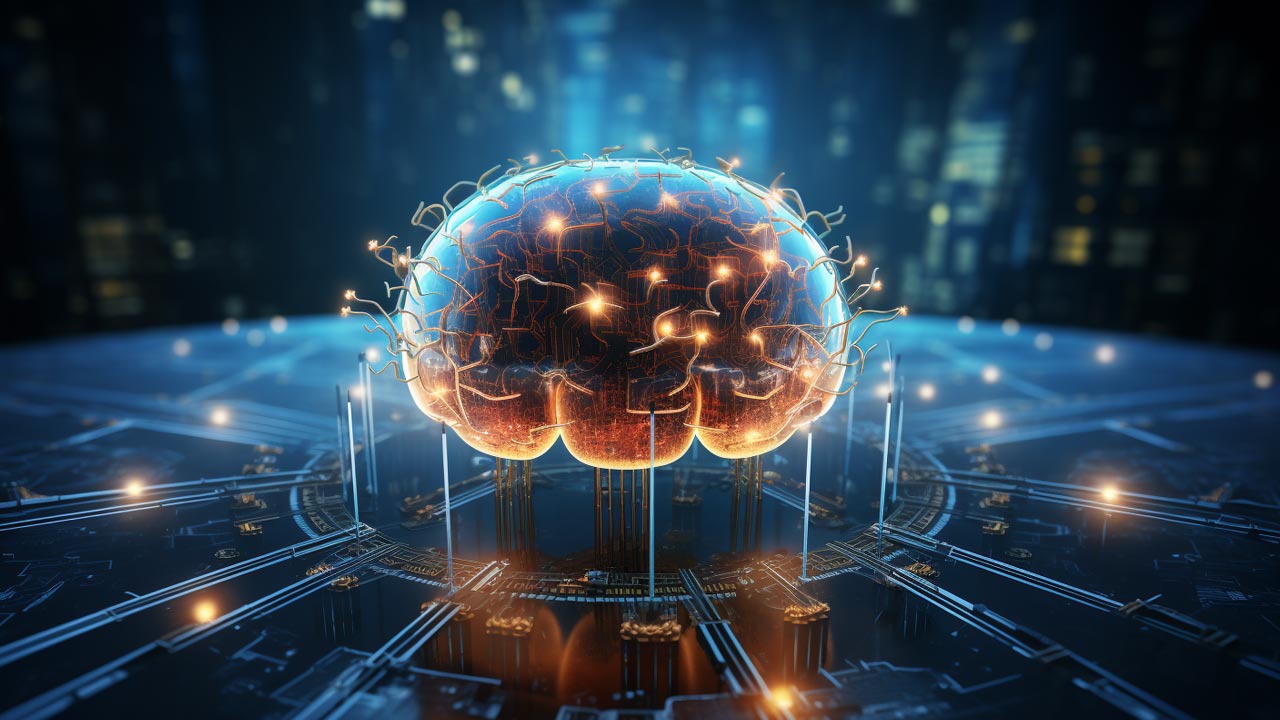
Although the details remain unclear, certain cybersecurity experts are raising the possibility that an advanced form of AI, developed in secret by Russia, has reached a level of autonomy and understanding that far surpasses anything the public imagines. According to these rumours, the AI would not only be capable of rapidly absorbing vast quantities of data, but would also demonstrate unsettling abilities to circumvent existing Western security systems.
Faced with these concerns, the EU insists that its new policies are simply preventive, aimed at anticipating future risks - neither confirming nor denying speculation around Russian cyberattacks.
“We live in a world of constant change, and it is our duty to stay ahead of potential threats, whether conventional or emerging,” declared a spokesperson for the European Commission.
The EU’s concrete measures
These measures include the introduction of stricter compartmentalisation protocols for both government and private computer networks, improvements to intrusion detection systems, and the development of rapid-response capabilities against cyberattacks. In addition, the EU has announced a significant investment in research into ethical and secure AI, underscoring the importance of developing technologies that respect human values and fundamental rights.

This reinforcement of cybersecurity comes at a moment when Europe’s dependence on digital technology has never been greater, casting into relief the necessity of remaining vigilant in tomorrow’s digital landscape. While the precise scope and details of these measures remain to be seen, one thing is clear: Europe is taking the challenges of the digital age seriously, braced to confront the invisible threats that could undermine its stability and security.