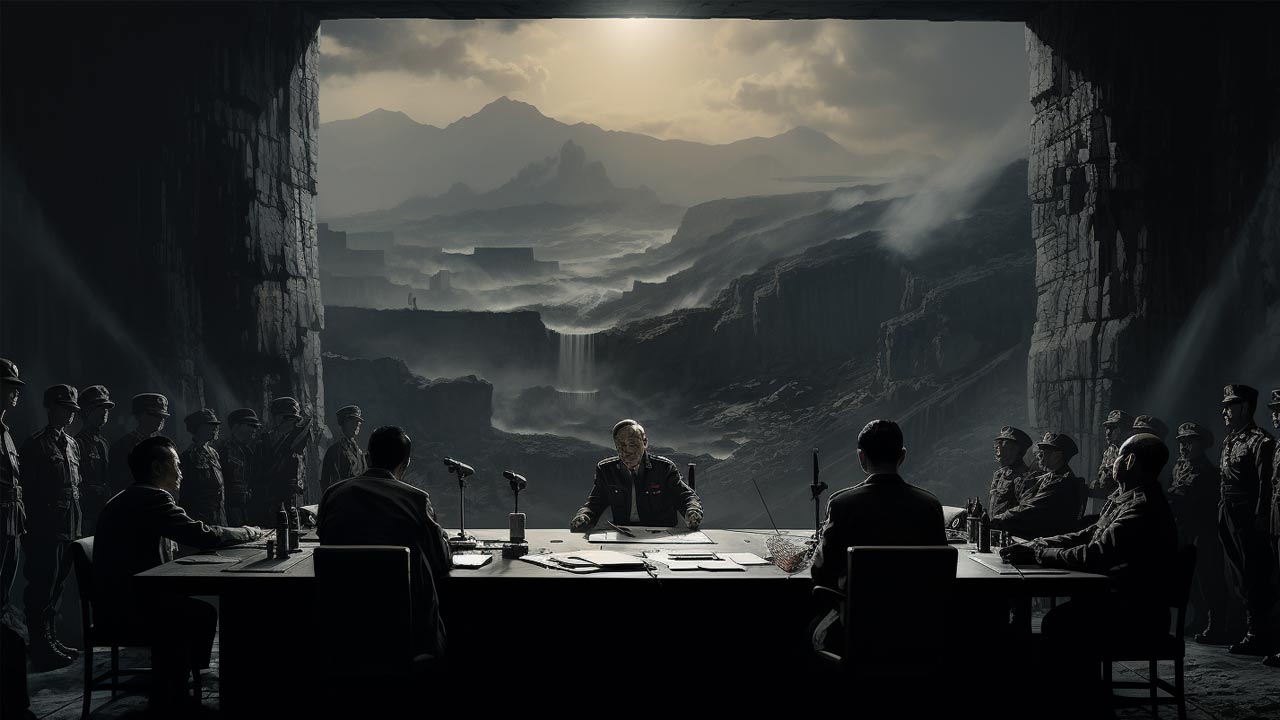
SEOUL, 27 July 1953 - After three long years of bitter fighting, a ceasefire has at last been signed at Panmunjom, bringing a provisional end to the Korean War. This conflict, which pitted the forces of North Korea - backed by the Soviet Union and China - against those of South Korea, supported by the United States and their United Nations allies, has become the symbol of post-war tensions and of the ideological division of the world into two opposing blocs.
From the outset, the Korean War established itself as a glaring example of proxy conflict within the broader framework of the Cold War, the superpowers avoiding direct confrontation yet clashing through the nations they sponsored. The massive American intervention on behalf of South Korea, followed by China’s entry into the war alongside the North, transformed what had begun as a civil conflict into an international war with far wider implications.
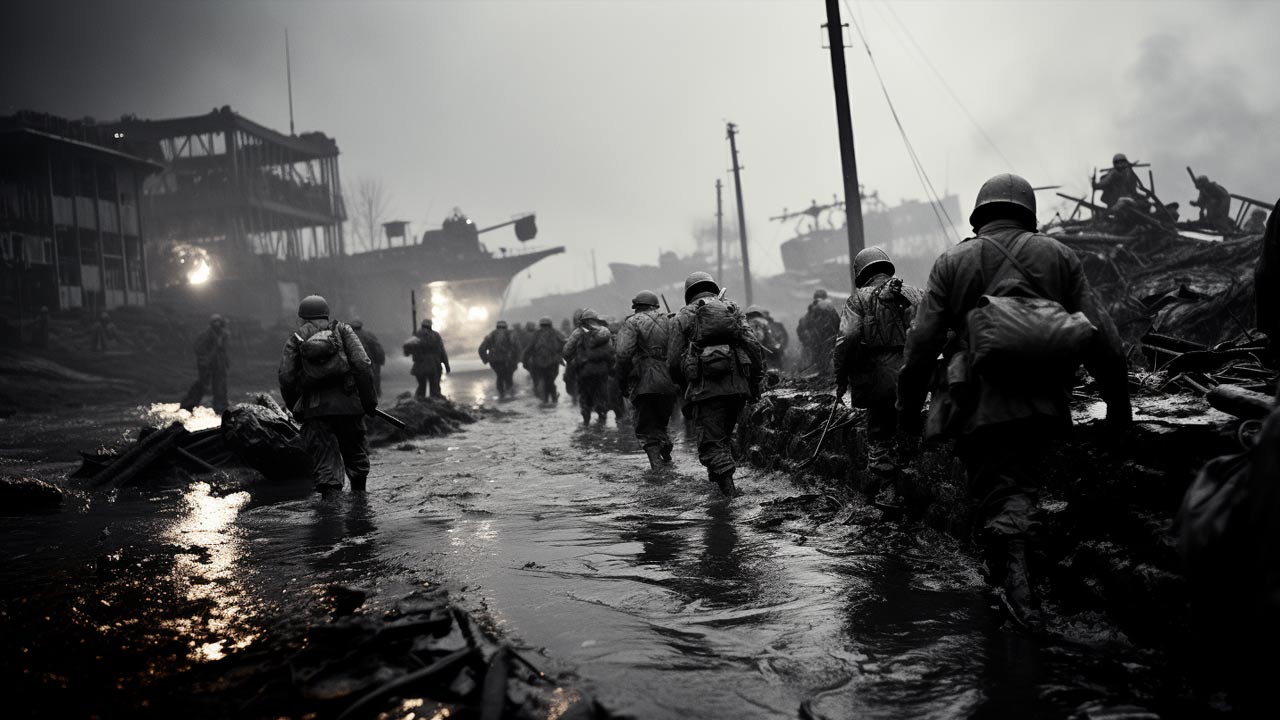
The ceasefire, though not a formal peace treaty, puts an end to the bloodshed yet leaves the Korean peninsula divided along the 38th parallel, in a state of permanent tension that continues to define international relations in the region. More than two million lives have been lost, underlining the human tragedy that so often accompanies the geopolitical games of the powerful.
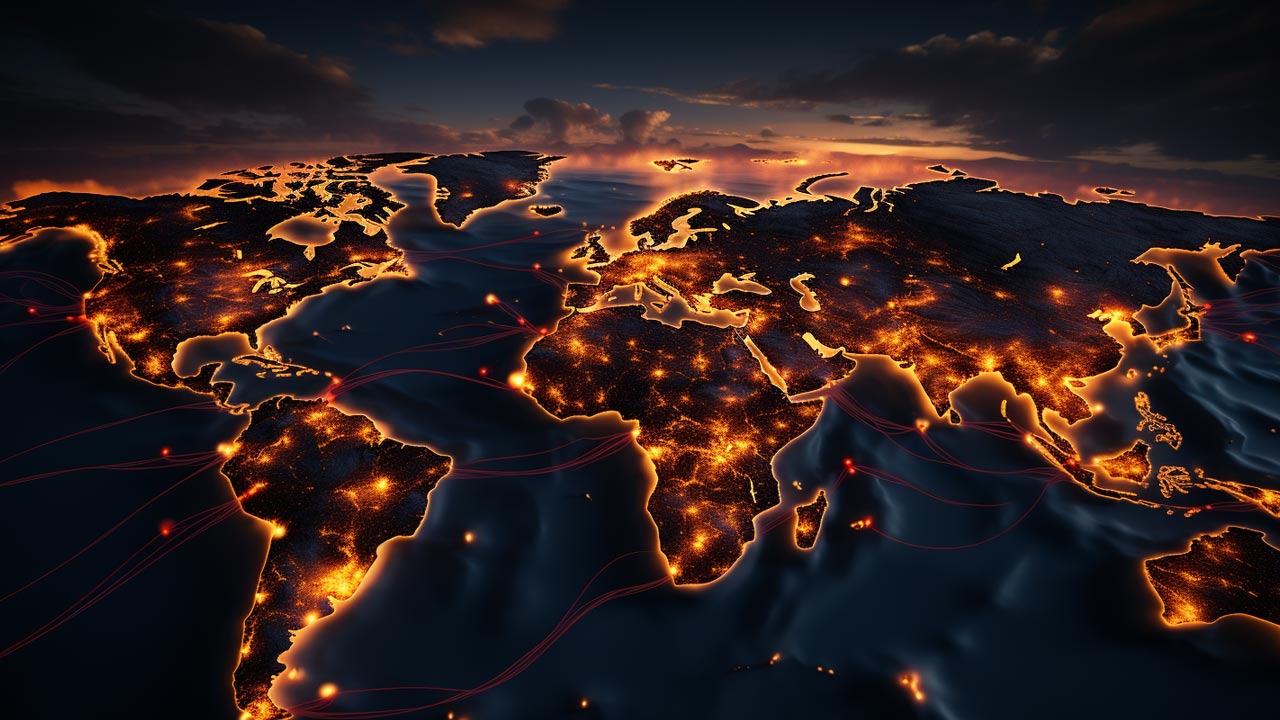
The consequences of this war reach far beyond the Korean peninsula, reinforcing the notion that the Cold War is a global conflict, in which ideological confrontations can lead to military clashes in any corner of the world. The ceasefire in Korea stands as a sombre reminder of the fragility of peace in a divided world, and of the crucial importance of diplomacy and international dialogue in preventing future conflicts.
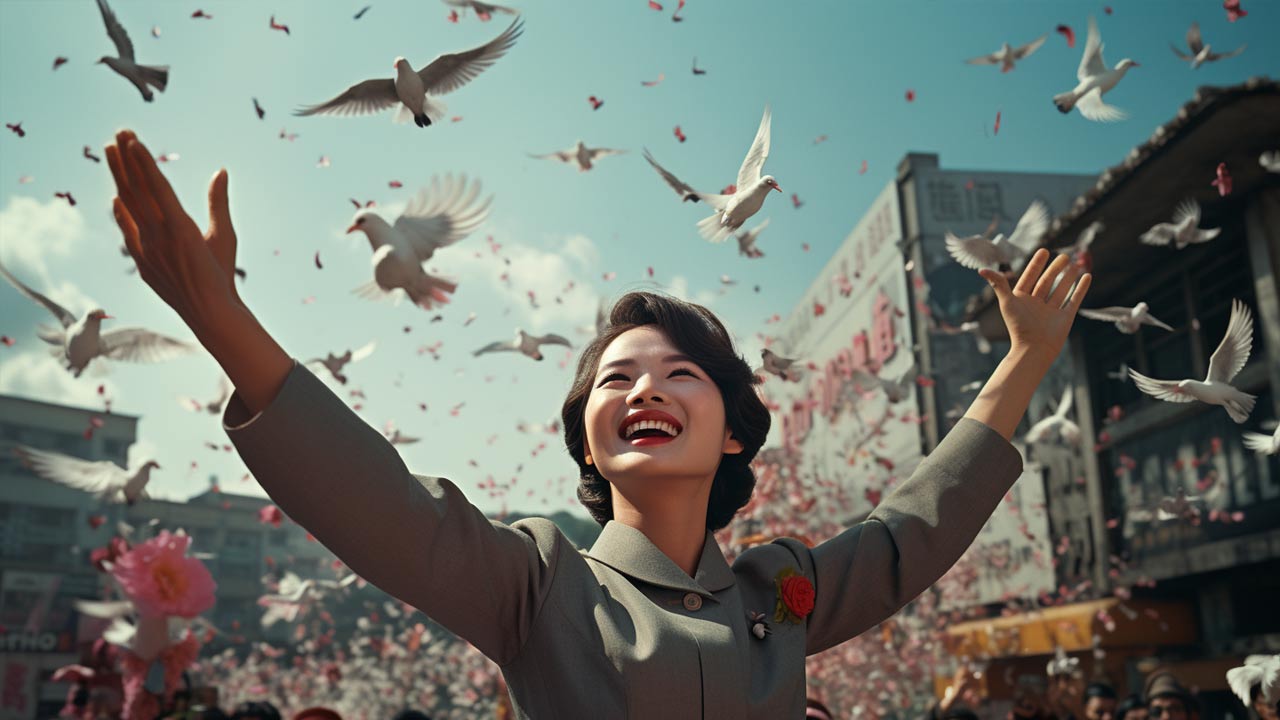
As the families of missing soldiers and slain civilians grieve their losses, the international community is called upon to reflect on the lessons of the Korean War. The need for lasting peace and collective security has never been more apparent - nor more urgent.