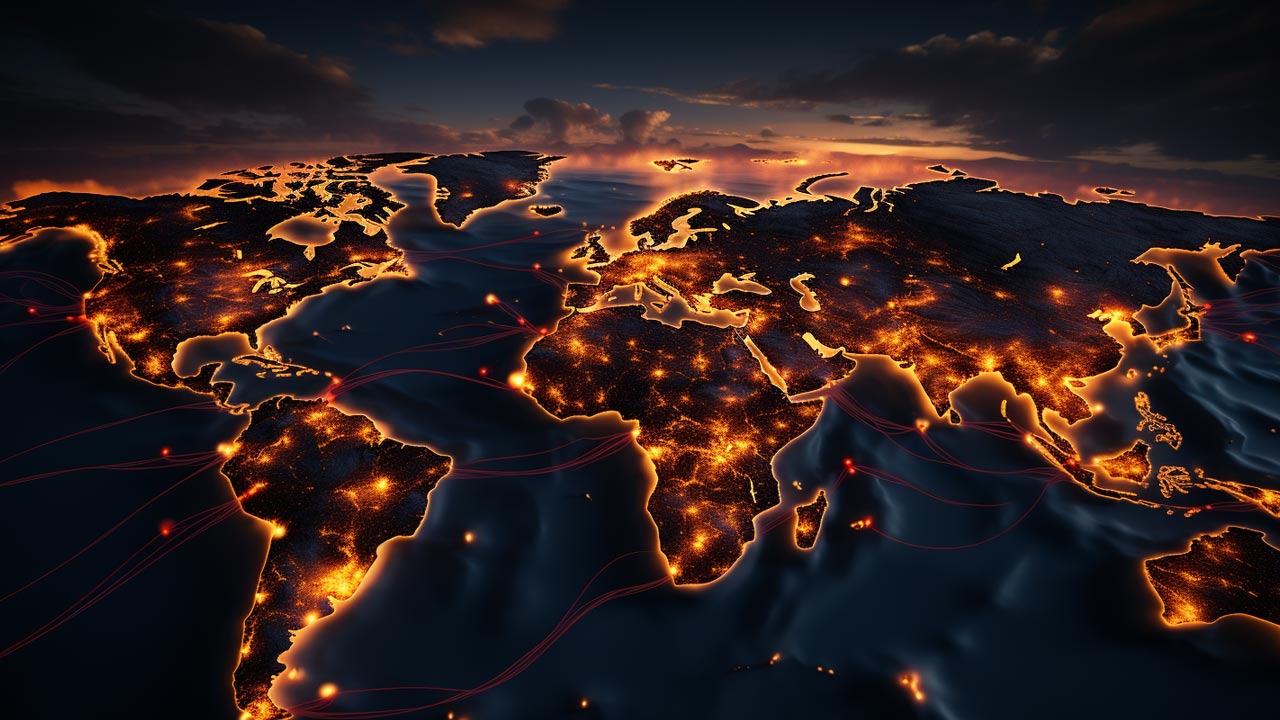
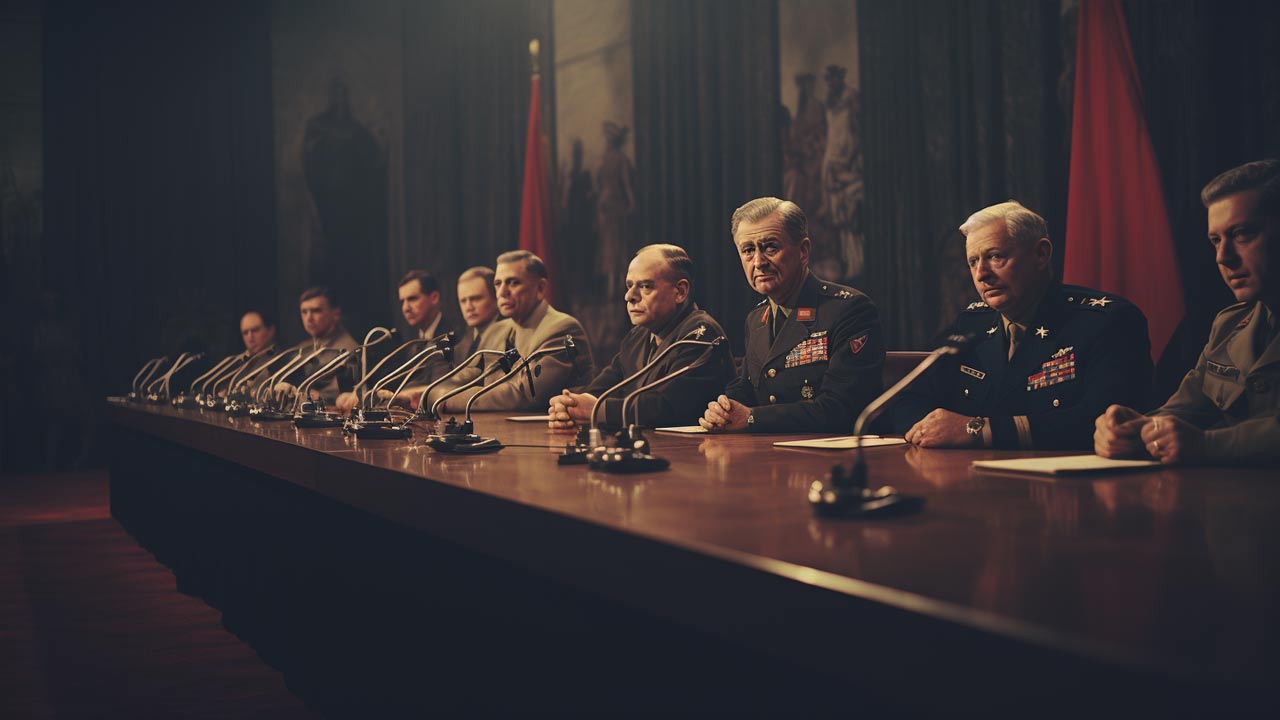
In the still-smouldering ruins of the Second World War, the world of 1947 stands at a historical crossroads. What we lived through as a necessary alliance against a common evil is fracturing under the weight of diverging ideologies, inaugurating the era we now call the Cold War. I, Edward R. Murrow, witness and chronicler of these transformations, offer you a panorama of this ideological divide that is redrawing the contours of our world.
The United States, under the presidency of Harry Truman, has committed resolutely to a policy of containment, seeking to circumscribe Soviet expansion by all necessary means, including military ones. The Marshall Plan - an ambitious initiative to rebuild Europe - is also a strategic manoeuvre to stem communist influence by fortifying the Western nations economically.
Meanwhile, in the East
On the other side, the Soviet Union, guided by the iron hand of Joseph Stalin, is establishing its hegemony over Eastern Europe, erecting what Winston Churchill would call the “Iron Curtain”. A Europe cleaved in two - not only by territory but by ideas - is taking shape on the horizon. At the heart of this confrontation lies a struggle for the very soul of humanity. On one side, individual liberty and capitalism; on the other, collective equality and socialism. Each camp is convinced it holds the key to a better future for mankind, ready to defend its convictions with fervour.
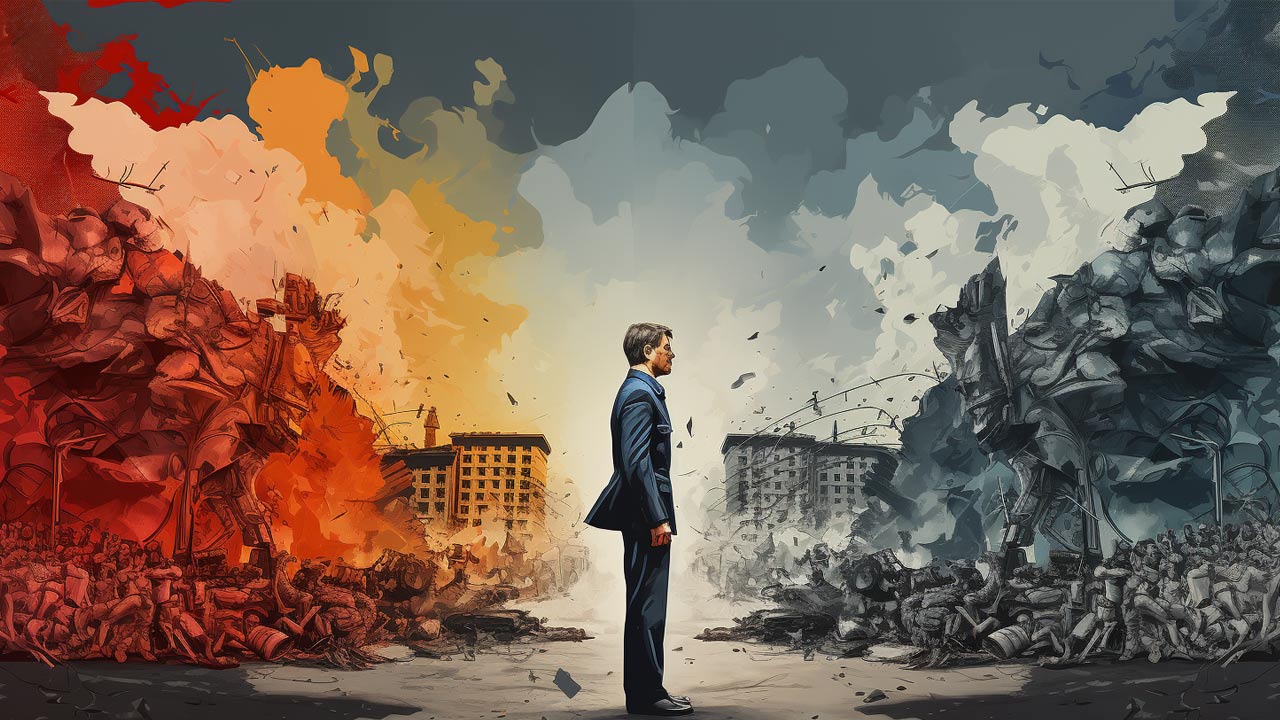
Yet in the wings of this great confrontation, voices are rising, calling for a more unified vision of the world. Politicians and thinkers on both sides dream of a future in which nations would work in concert to resolve global problems - from hunger to disease - transcending their ideological differences. These aspirations towards a unified world seem, in the context of 1947, as distant as a star in the blackest night.
The Spectre of Nuclear Destruction
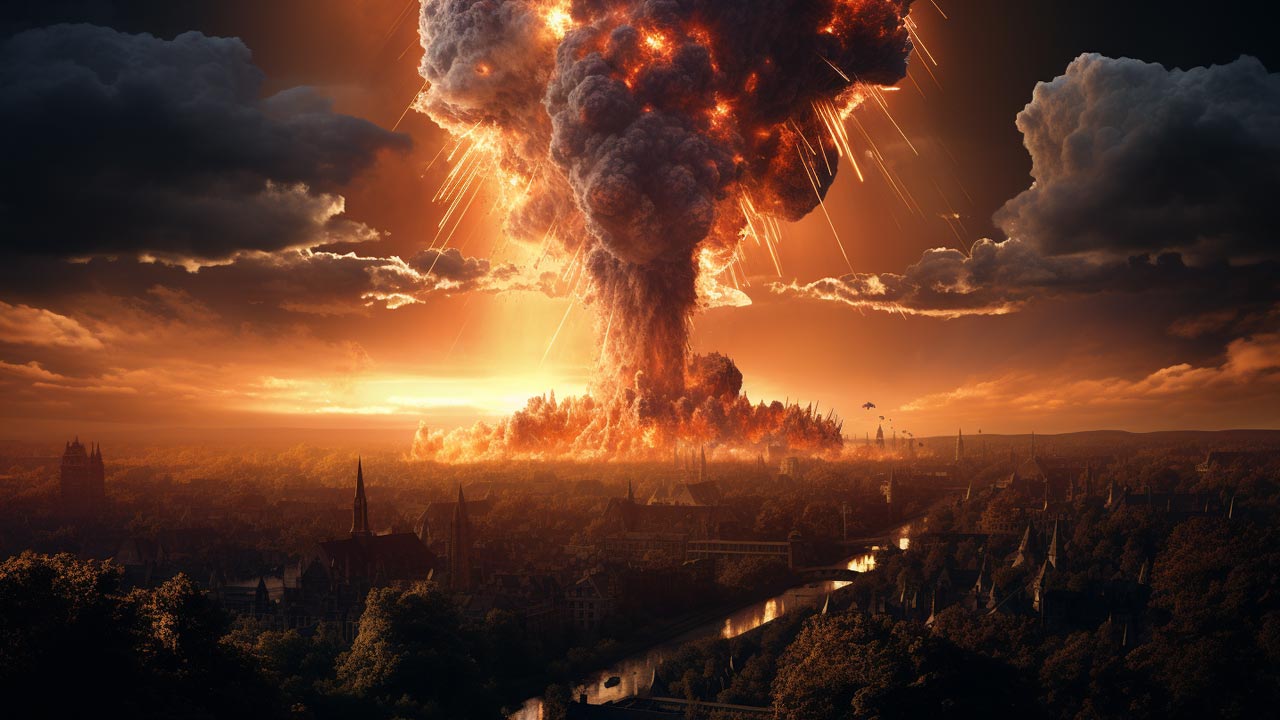
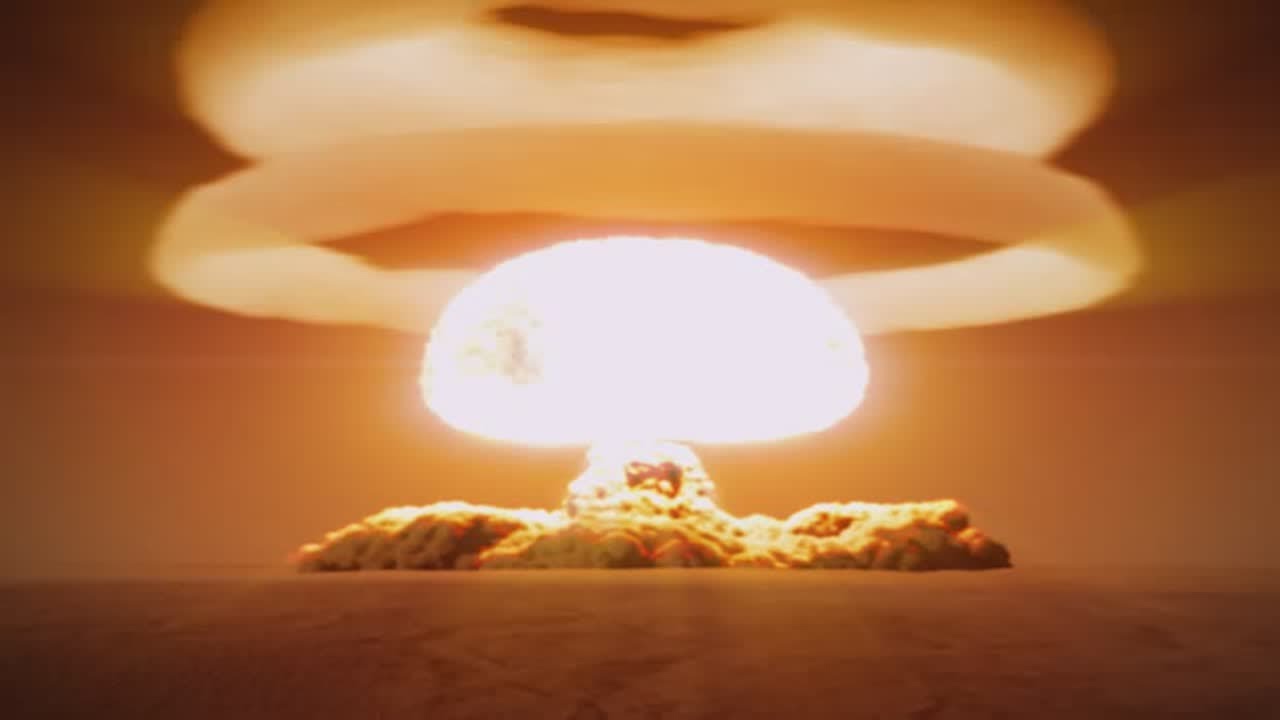
The fact is that the Cold War marks the beginning of an era in which the spectre of nuclear destruction hangs over humanity. American and Soviet nuclear tests are demonstrations of force, reminding everyone that the next conflict could well be the last. It is in this atmosphere, heavy with dread, that I report - seeking to illuminate the stakes behind the political rhetoric.
I see my mission as one of revealing hidden truths, of questioning those in power, and of giving voice to those caught in the crossfire. The Cold War is not merely a struggle between two superpowers; it is a trial for the human spirit, a question of survival in an uncertain world.
In this turbulent context, the responsibility that falls to us journalists is immense. We must navigate between fact and propaganda, bringing an informed perspective to the events shaping our world. It is with this conviction that I pursue my quest for truth, mindful of the power of words in building the future.
The Cold War is more than a military or economic confrontation; it is the theatre of an ideological battle that defines the twentieth century. As I bear witness to this pivotal period, I remain attentive to the lessons it teaches us about human nature and about our collective capacity to choose the path of cooperation over that of conflict. It is a call to unity in a divided world - a reminder that, despite our differences, our destiny is inextricably bound together.