
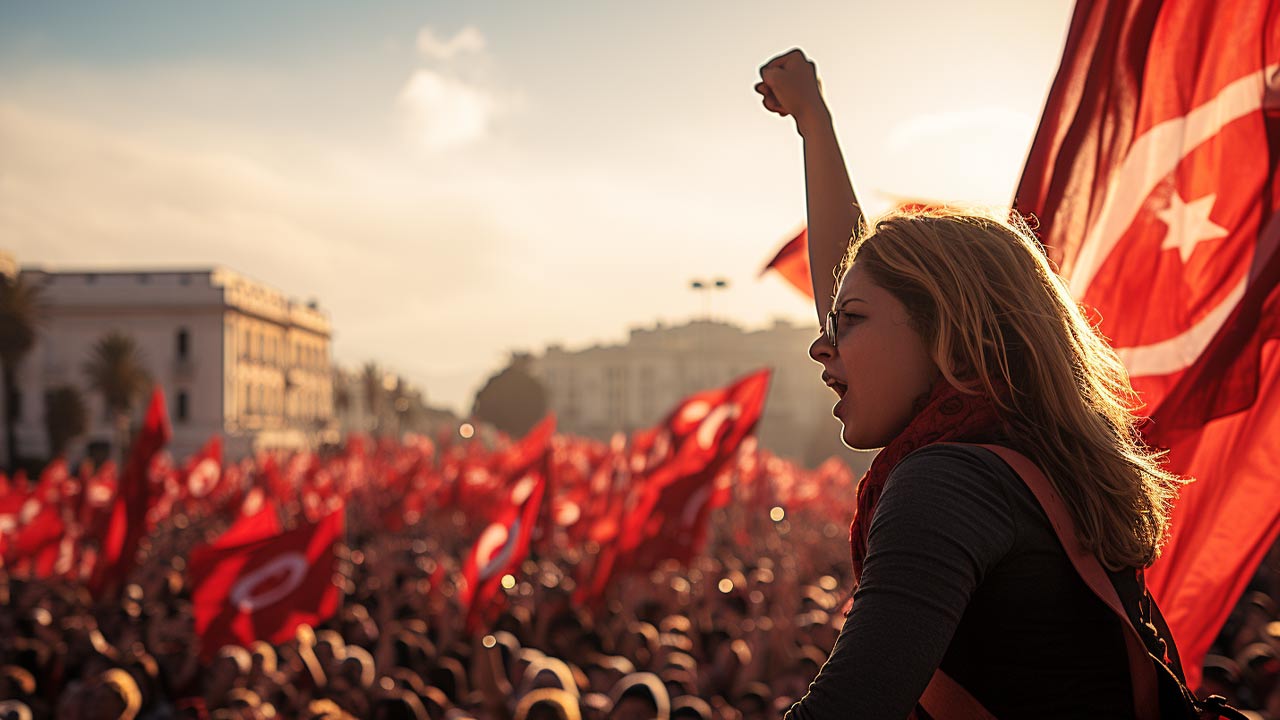
Since late 2010, the Middle East and North Africa have become the stage for a series of popular uprisings without precedent. These movements, now known as the Arab Spring, began in Tunisia before spreading like wildfire across the region, reaching Egypt, Libya, Yemen, Syria, and many others. What these revolts share is a burning desire for political and social change, for greater freedom of expression, and for an end to the endemic corruption that gnaws at these societies.
A Spark in Tunisia
It began in December 2010, when Mohamed Bouazizi, a young street vendor, set himself on fire in protest against the confiscation of his goods and the humiliation he had suffered at the hands of the police. This desperate act triggered a wave of demonstrations across the country, ultimately bringing down President Zine El Abidine Ben Ali. That first success inspired millions across the region, giving rise to mass protests.

The Domino Effect
Egypt quickly followed, with Tahrir Square in Cairo becoming the symbol of resistance against Hosni Mubarak’s authoritarian regime. After 18 days of relentless demonstrations, Mubarak resigned - a significant victory for the Egyptian people. In Libya, the uprising led to a civil war and international intervention that ultimately toppled Muammar Gaddafi. Other countries, such as Yemen and Syria, were also shaken by revolts, though their outcomes proved far more tragic and complex.

From Dreams of Democracy to Complex Realities
The Arab Spring did not bring about the hoped-for changes everywhere. While some countries saw transitions towards more democratic forms of government, others descended into chaos or witnessed the rise of even more repressive authoritarian regimes. Syria, for instance, became the theatre of a devastating civil war that continues to this day. Yemen sank into a complex armed conflict, while Egypt saw the ascent of a new authoritarian military regime.
Hope Endures
Despite the difficulties and the mixed results, the Arab Spring remains a pivotal moment in the contemporary history of the Middle East. It demonstrated that the desire for freedom, dignity, and social justice can drive peoples to defy seemingly invincible regimes.
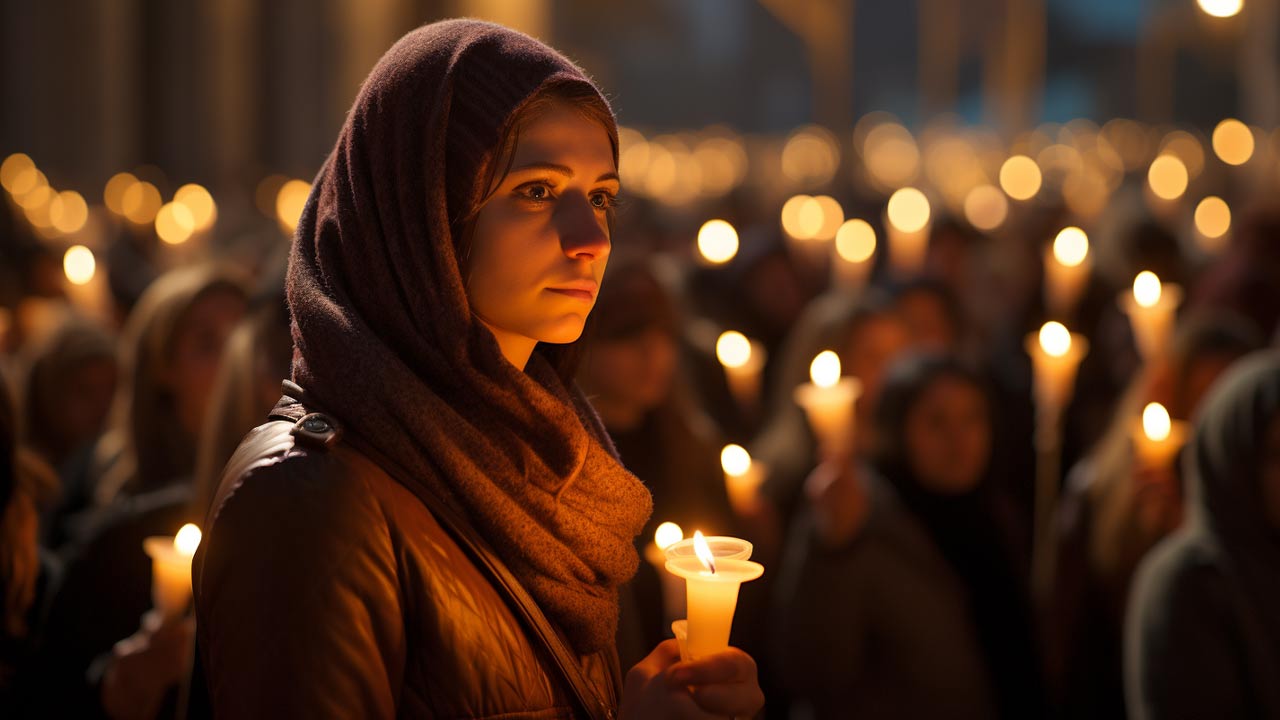
As the region continues to grapple with the consequences of these uprisings, the spirit of the Arab Spring - that of an unwavering quest for a better future - remains alive.
This historic event marked a turning point, showing that even in the most repressive societies, people are willing to fight for their rights and for a better tomorrow. The Arab Spring will endure in the annals of history as a powerful reminder of the forces of social change.