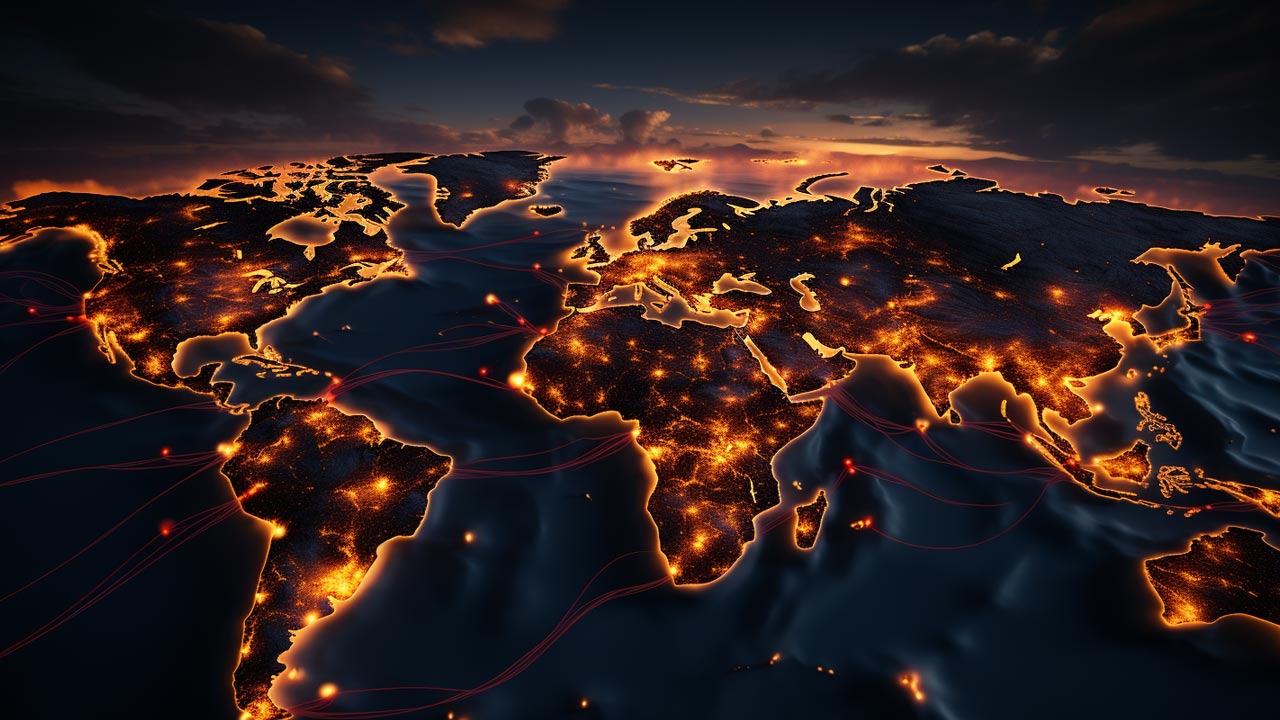

Three years have passed since the tragic attacks of 11 September 2001, and the world appears to have taken a decisive turn towards an unprecedented era of international cooperation. Yet a deeper analysis of the events and alliances that have formed in their wake suggests a more complex reality, one in which hidden motivations and invisible forces play a crucial role.
Enhanced Cooperation… or Controlled Cooperation?
In the shadow of the declared efforts to combat terrorism, intelligence and security cooperation agreements have been signed between nations, establishing a new standard for the sharing of information. While these measures have undeniably strengthened international security, they have also opened the door to increased surveillance of citizens, under the pretext of national protection. The question arises: who watches the watchmen, and what guarantees do we have that this power will not be abused?
Shifting Geopolitical Dynamics
World attention has focused on the conflicts in the Middle East, in particular the invasion of Iraq in 2003. These interventions are officially intended to promote democracy and combat terrorism. Yet some experts suggest that these actions may conceal geostrategic and economic interests - notably access to energy resources and the desire to maintain regional hegemony.

The Emergence of New Questions
As the world celebrates advances in cooperation, voices are rising to question who the true beneficiaries of these new dynamics really are. The reinforced security measures, whilst presented as essential, could also serve to justify an expansion of state control and a reduction of individual freedoms.
Three years after September 11th, as we move towards what appears to be a new era of international cooperation, it is crucial to remain vigilant about the true motivations behind the actions of governments. World events are often the result of hidden forces and undisclosed interests. Understanding these dynamics is essential to ensuring a future in which security and freedom can coexist.
To this day, we have still found no weapons of mass destruction in Iraq, yet the searches continue.