On 25 December 1991, a historic event shook the world: the official dissolution of the Union of Soviet Socialist Republics (USSR), marking the end of a superpower that had played a central role in world affairs for more than seven decades. This dissolution not only signalled the close of the Cold War but also triggered a profound reshaping of the global geopolitical landscape.
The roots of dissolution
The fall of the USSR was not a sudden event, but the outcome of several years of economic stagnation, political reform, and mounting internal pressure for greater freedom and autonomy among the Soviet republics. Under Mikhail Gorbachev’s leadership, policies of glasnost (openness) and perestroika (restructuring) were introduced in the mid-1980s with the aim of modernising the Soviet economy and decentralising government.
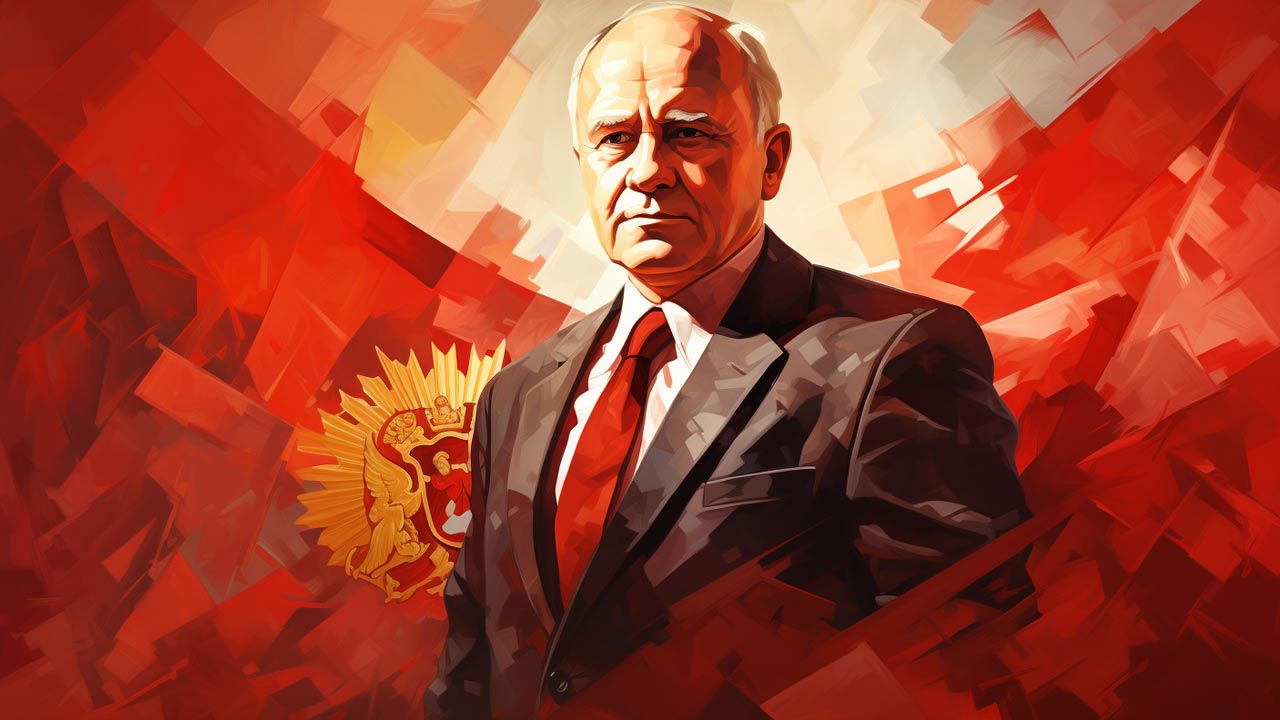
Yet these reforms accelerated the Union’s disintegration by exposing its fundamental weaknesses and emboldening nationalist movements.
A sequence of decisive events
The year 1991 was marked by a series of events that hastened the end of the USSR. The failed August coup, led by conservative members of the Soviet government in a bid to overthrow Gorbachev and restore strict communist order, collapsed - but irreversibly weakened central authority. Shortly afterwards, Boris Yeltsin, President of Russia, took decisive steps to assert Russian independence, setting off a cascade of independence declarations from the other Soviet republics.
The end of the USSR and its consequences
On 25 December, Gorbachev resigned as President of the USSR, and the following day the Union officially ceased to exist, replaced by the Commonwealth of Independent States (CIS), an organisation grouping the former Soviet republics. The dissolution of the USSR brought about a radical shift in the global balance of power, leaving the United States as the sole remaining superpower and paving the way for new regional conflicts and the redrawing of international alliances.
Towards a new world order
The end of the USSR also marked the beginning of a difficult transition period for the former Soviet republics, confronted with enormous economic, political, and social challenges. Yet it also opened opportunities for democratisation and integration into the global system - though the road to stability and prosperity remained fraught with obstacles for many.
The dissolution of the USSR was a pivotal moment in contemporary history, whose repercussions continue to shape the world today. It stands as a reminder of the limits of closed, centralised political systems, and underscores the importance of adaptability and reform to the survival of nations.