WASHINGTON, 28 October 1962 – This October will remain etched in our collective memory as the moment humanity stood on the edge of nuclear extinction. The Cuban Missile Crisis, a thirteen-day stand-off of white-knuckle intensity between the United States and the Soviet Union, laid bare the terrifying danger of nuclear war and the vital necessity of peace negotiations.
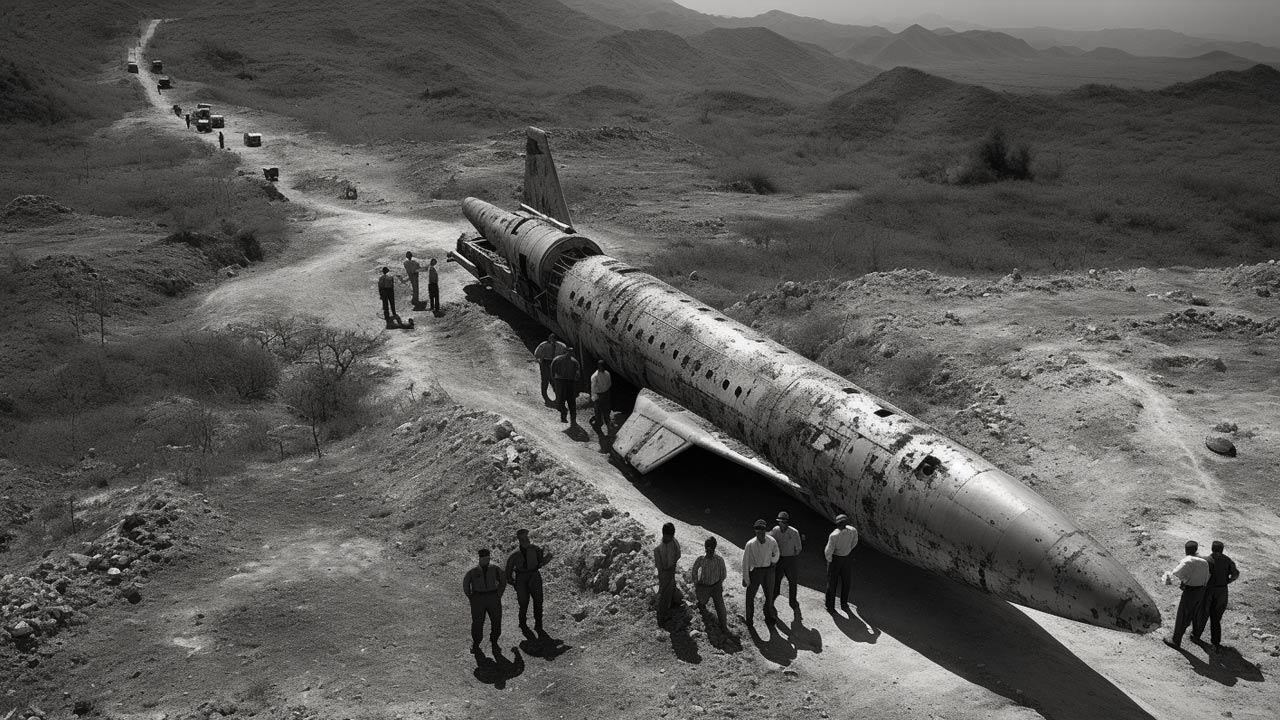
The origins of the crisis lay in the United States’ discovery of Soviet ballistic missiles installed in Cuba, a mere 90 miles from Florida. This unprecedented provocation triggered a direct confrontation between the two superpowers, with potentially catastrophic consequences for the entire world.
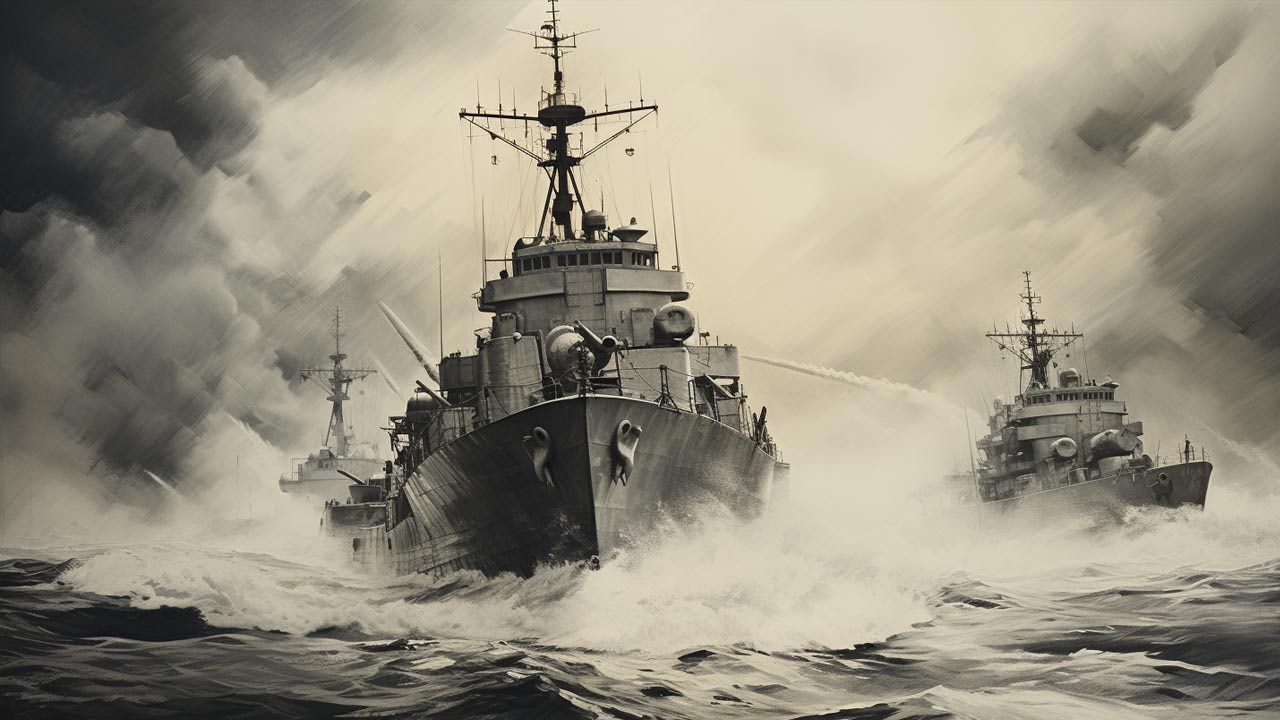
Tension reached its climax when President John F. Kennedy ordered a naval blockade of Cuba, a measure designed to prevent the arrival of further missiles. With nuclear confrontation looming, the world held its breath, waiting for the outcome of this perilous deadlock.
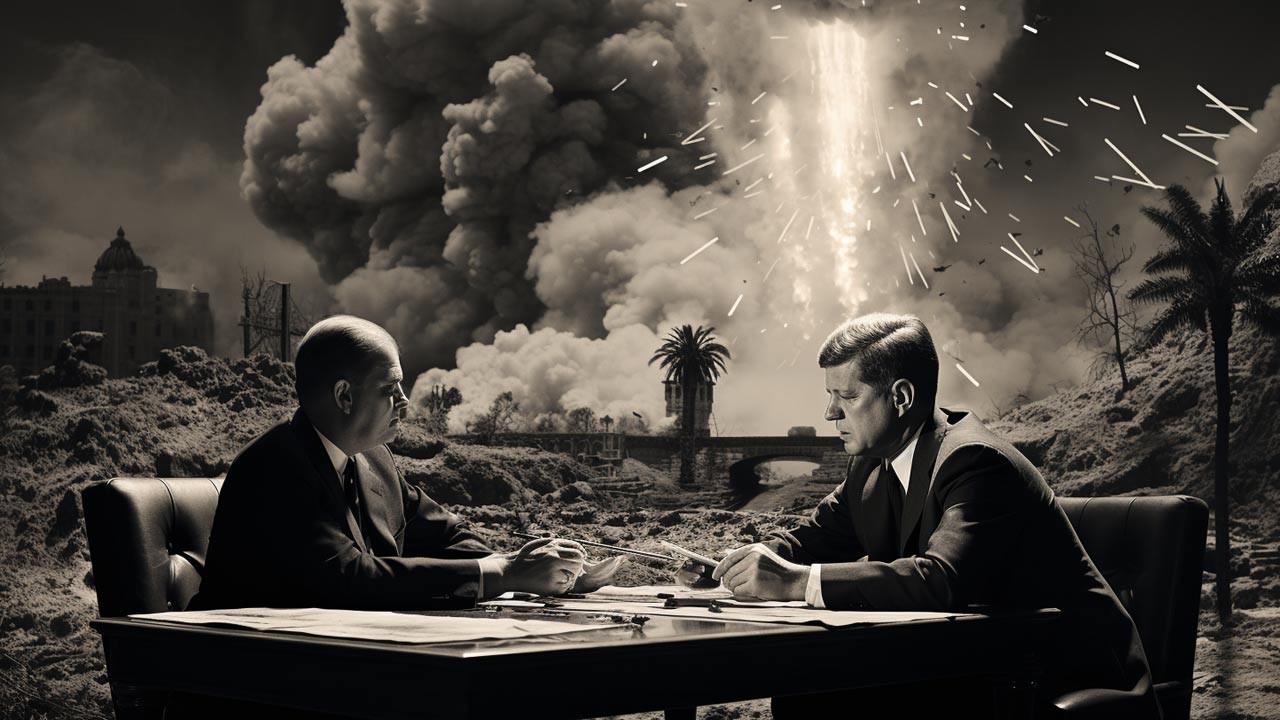
It was in this atmosphere of extreme tension that leadership and diplomacy proved decisive. Peace negotiations, conducted in a climate of fear and uncertainty, ultimately produced an agreement between President Kennedy and Soviet Premier Nikita Khrushchev. The Soviet Union committed to withdrawing its missiles from Cuba, in exchange for a United States pledge not to invade the island and to remove its own missiles from Turkey at a later date.
ECHO
This resolution, which narrowly averted a nuclear catastrophe, was hailed as a triumph of diplomacy and a reminder of how fragile peace truly is. The Cuban Missile Crisis underscored the importance of communication and negotiation in resolving international conflicts, as well as the necessity of stricter controls on nuclear armaments.
As we reflect on the lessons of this crisis, it is imperative to acknowledge our collective responsibility to prevent such confrontations in the future. The Cuban Missile Crisis remains a powerful warning against the dangers of military escalation and the paramount importance of seeking peaceful solutions to international disputes.