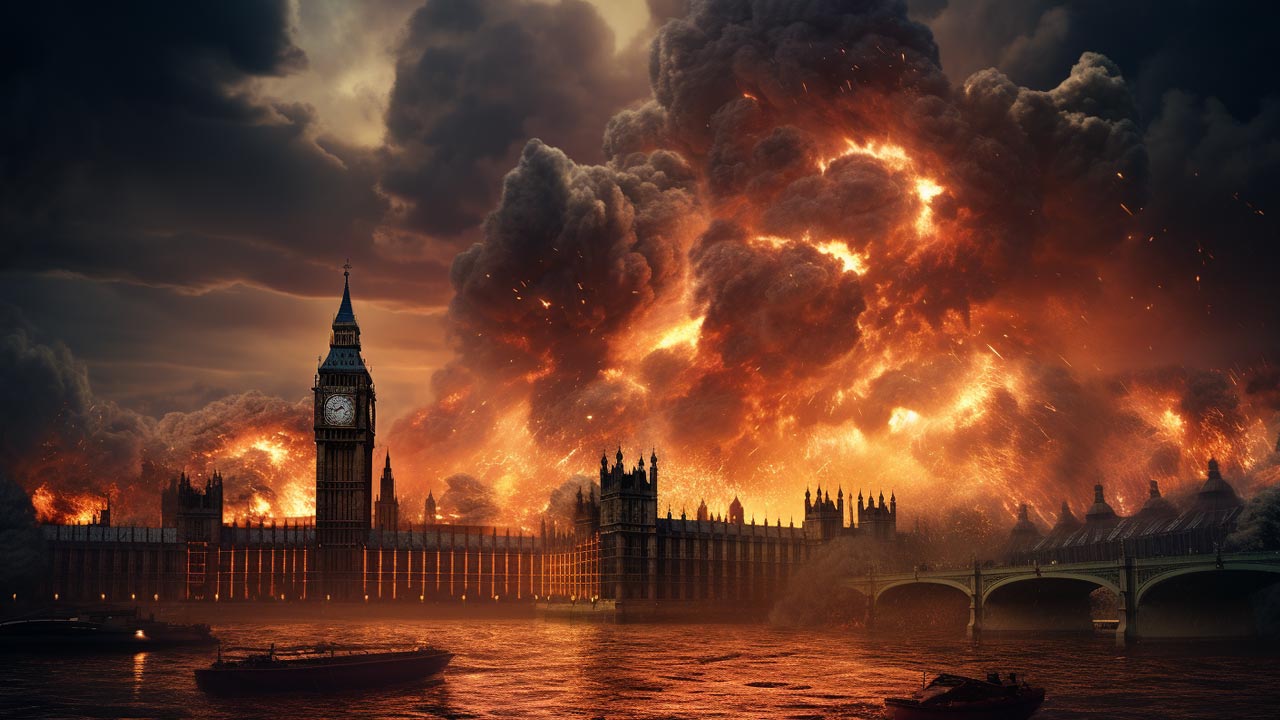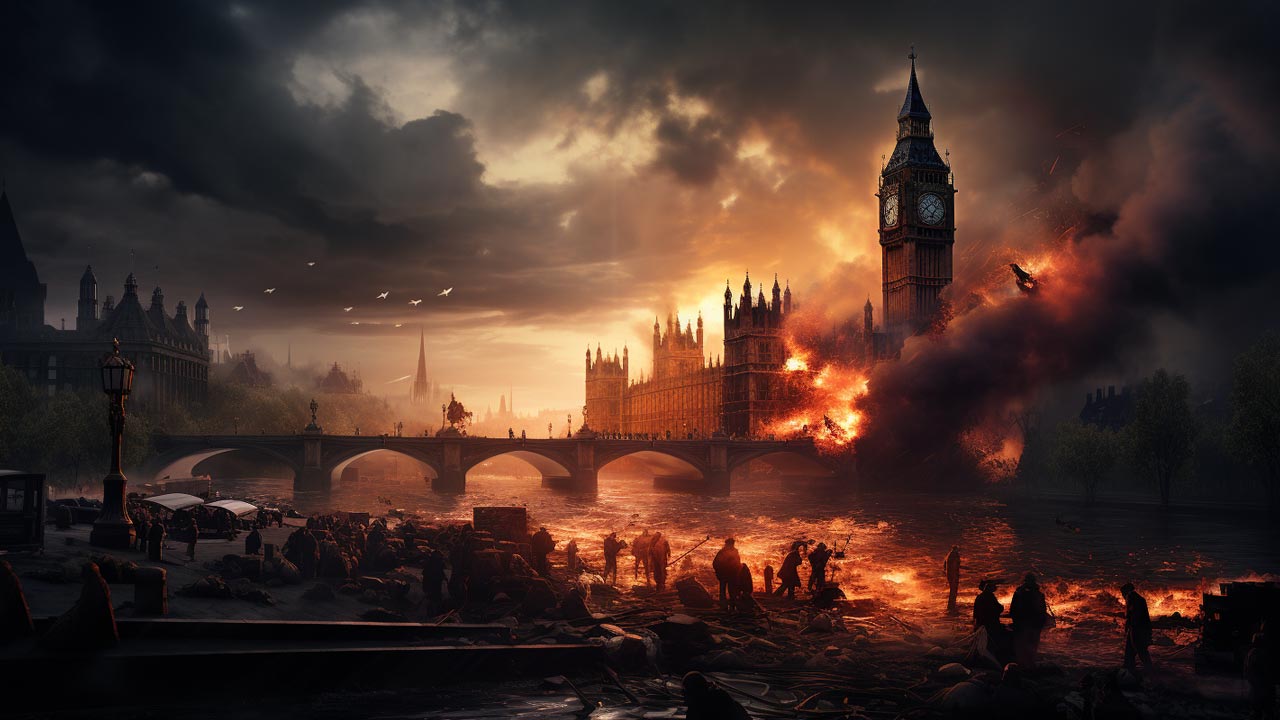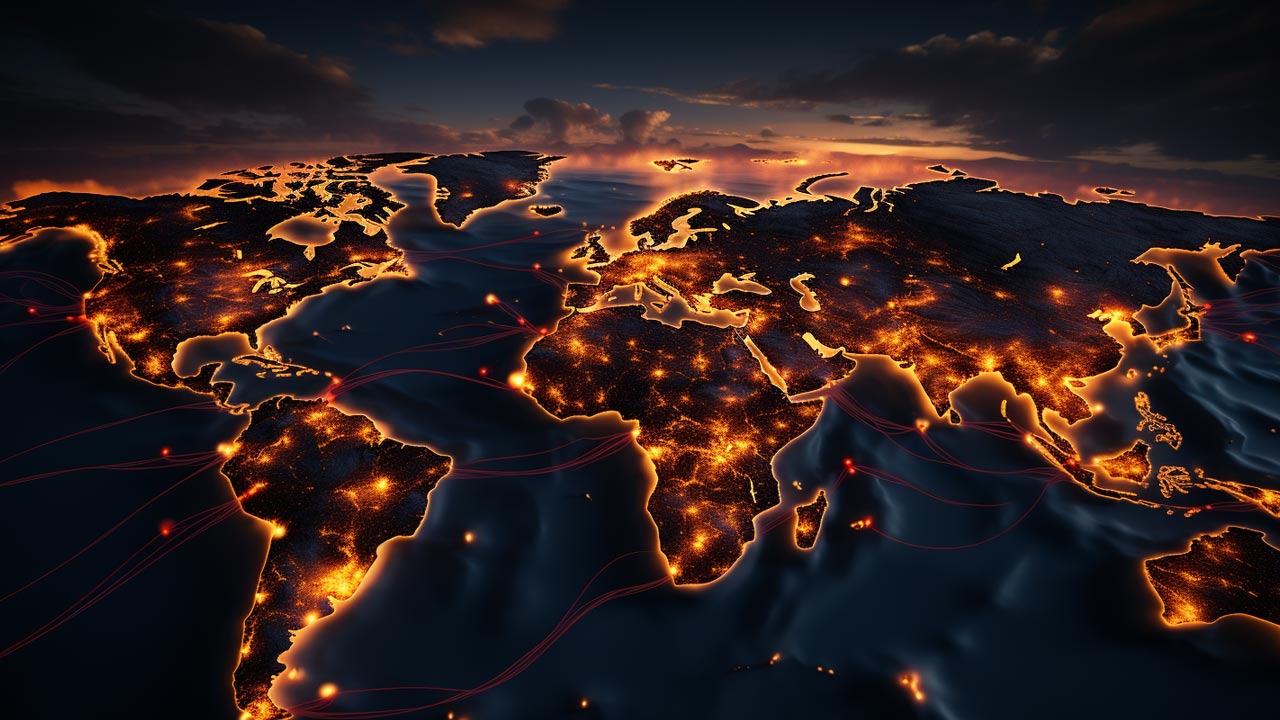
Washington, D.C., May 1945 - After six long years of bitter fighting, the Second World War has at last come to an end, marking the victory of the Allied powers over the forces of the Axis. This conflict, the most devastating in human history, has redrawn the political map of the world, establishing the United States and the Soviet Union as the dominant superpowers of the post-war age.
The Winners: The Allies Triumph
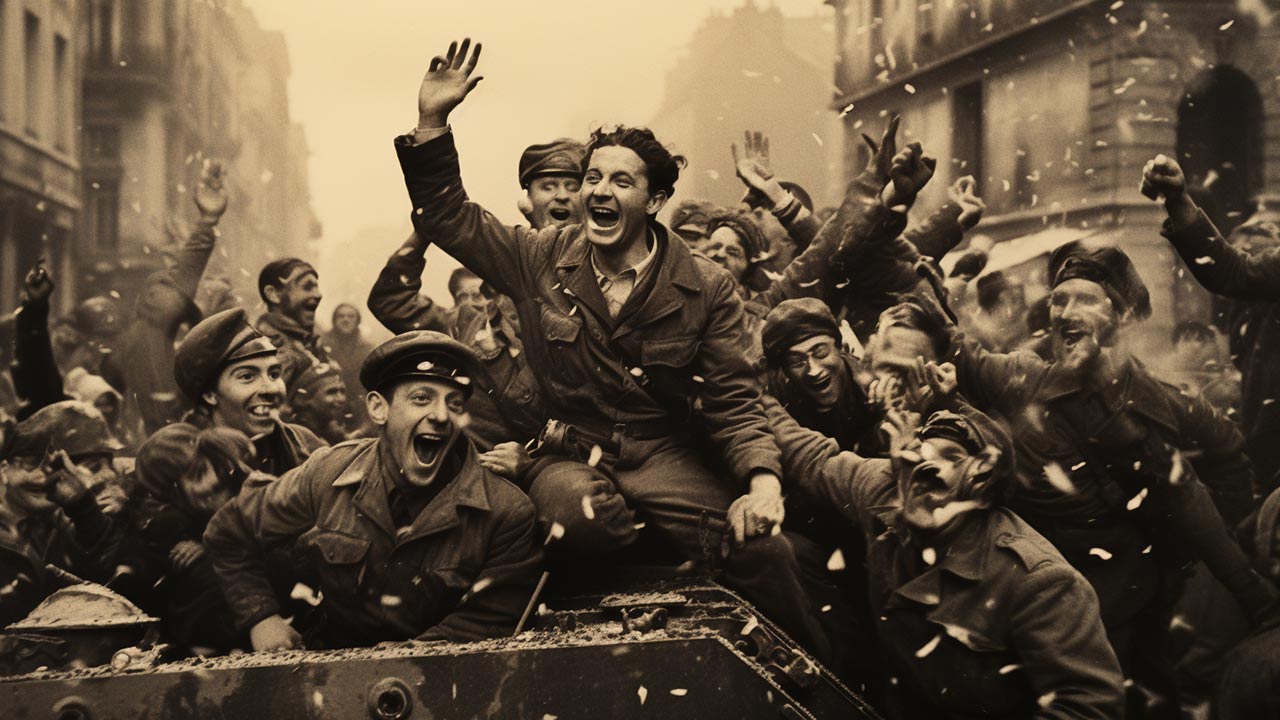
The United States, the United Kingdom, the Soviet Union, and France emerge as the great victors of this war. Victory is celebrated in the streets of New York, London, Moscow, and Paris, where jubilant crowds cheer their returning heroes. These nations have paid a heavy price, but their triumph marks the beginning of a new era of international cooperation - symbolised by the creation of the United Nations, in the hope of preventing future global conflicts.
The Losers: The Axis Collapses
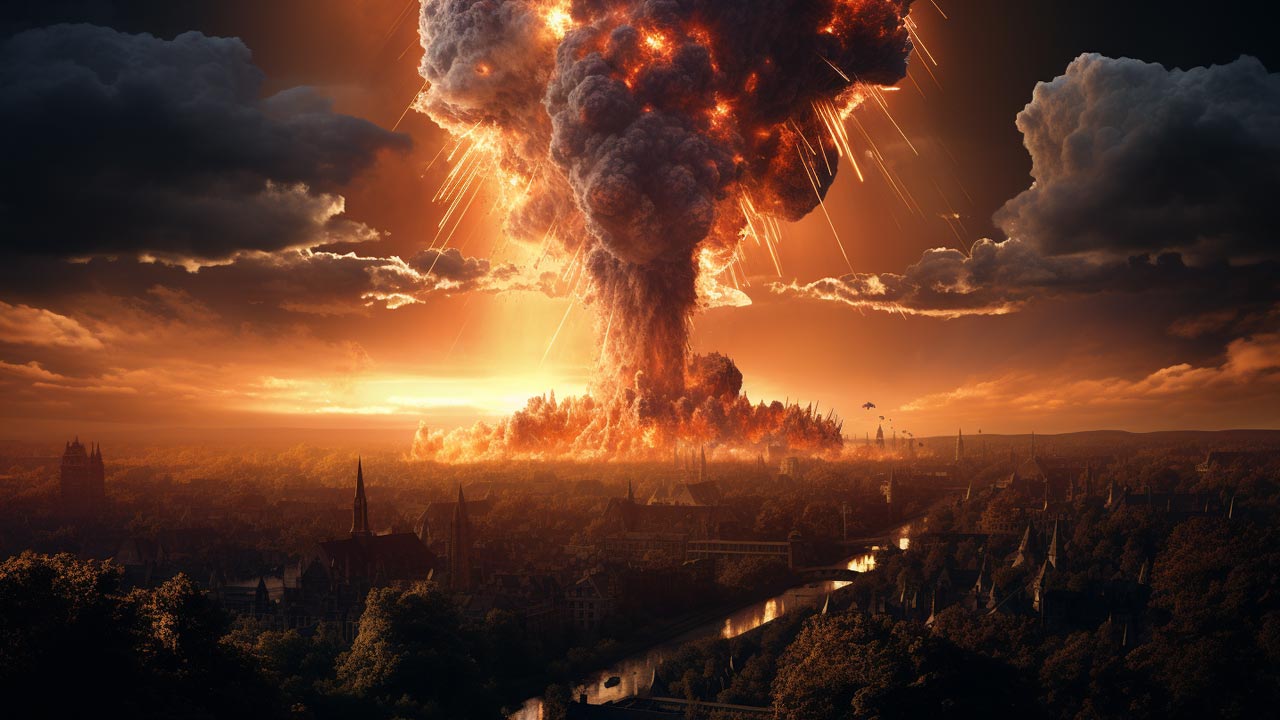
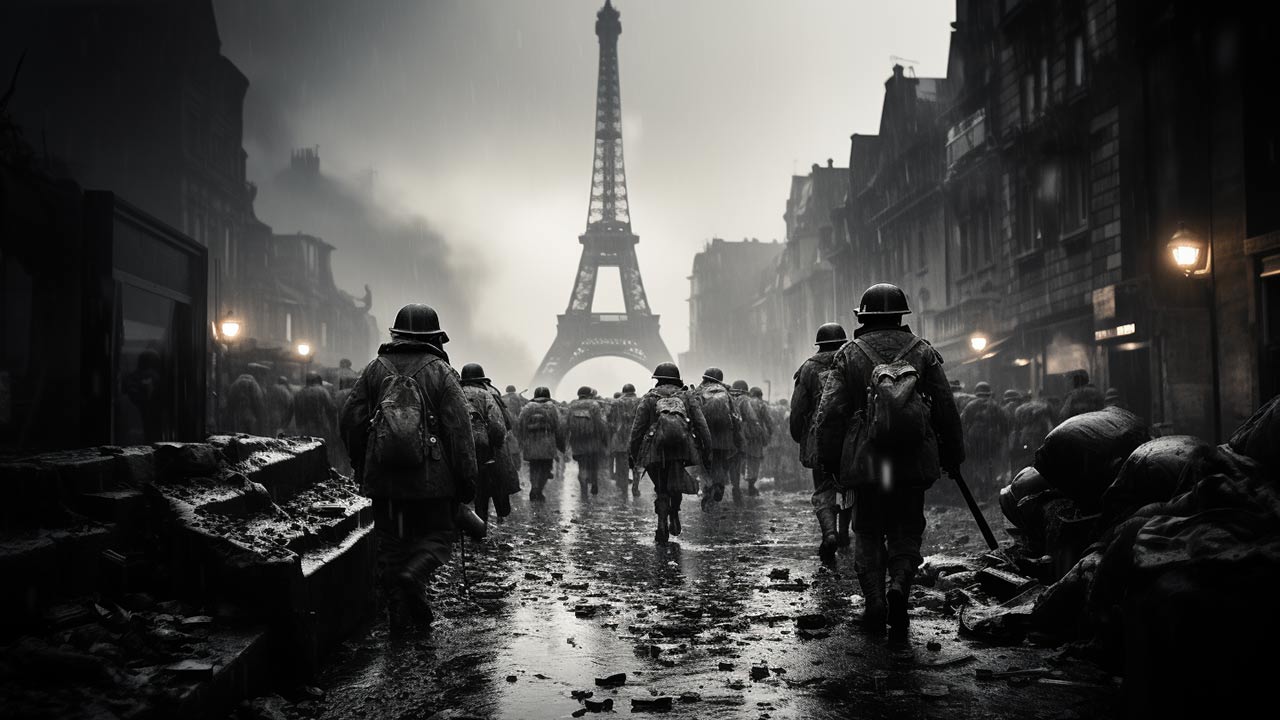
Nazi Germany, Fascist Italy, and Imperial Japan - the Axis nations - face total defeat. Germany is divided into occupation zones administered by the Allied powers, while Nazi leaders are brought to trial for their war crimes at the Nuremberg Tribunals. Italy witnesses the fall of Mussolini and the emergence of a democratic republic. Japan, following the atomic bombings of Hiroshima and Nagasaki and its unconditional surrender, begins a long process of reconstruction under American oversight - marking the end of its military empire.
A Reshuffled World: A New Cold War?
Even as the world celebrates the end of the conflict, new tensions are rising between the United States and the Soviet Union - two superpowers with diametrically opposed ideologies. The partition of Europe between the capitalist West and the communist East is sowing the seeds of the Cold War, a struggle for global influence that will endure for decades.
The Impact on the Colonies
The war has also had a profound impact on European colonies across Asia and Africa. The sacrifices made by colonised peoples in the global conflict have fuelled independence movements, setting in motion a wave of decolonisation and the birth of new nations in the years to come.
A New World
The Second World War has not only transformed global geopolitics - it has profoundly altered society, the economy, and culture. The horrors of the conflict have given rise to a universal desire for peace and to the establishment of international structures designed to safeguard it. The superpowers must now navigate this new world with caution, for the stakes have never been higher.
Victory is bittersweet, shadowed by the memory of millions of lives lost. Yet it offers a chance to rebuild and reimagine the world - in the hope of a better future for all nations.