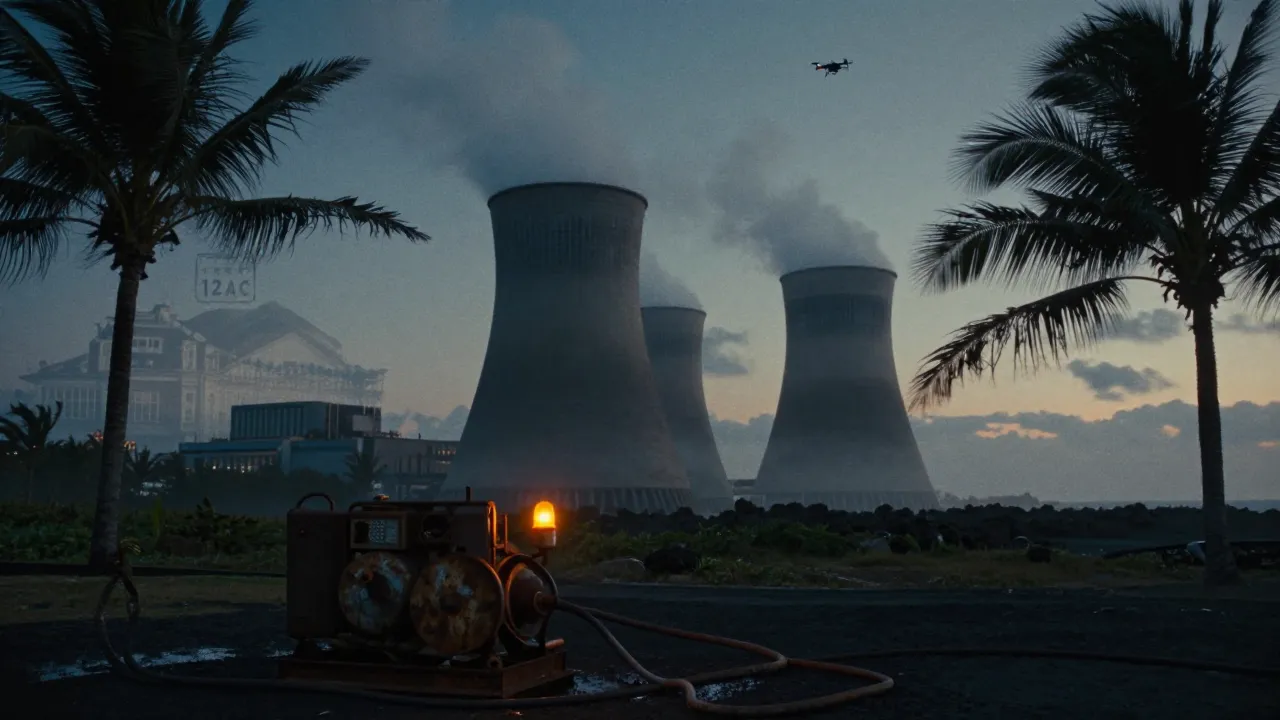

Under the guise of energy security and geopolitical rivalries, governments of both the right and left are reclaiming control of strategic assets. Neither a return to Marxism nor Trump-style protectionism: a fourth cycle of nationalizations is quietly redrawing the map of global economic power.
A Signal from Belgium
In April 2026, Belgian Prime Minister Bart De Wever - an avowed liberal, critic of Walloon social budgets, and proponent of easing sanctions against Russia - surprised many by announcing the opening of negotiations with ENGIE to reclaim control of the seven nuclear reactors operated by the French energy company at Doel and Tihange, according to Politico. These facilities have provided up to 45% of the electricity produced in Belgium over the last decade, notes Nicholas Mulder in Le Grand Continent.
The financial argument is not insignificant: once amortized, these plants generate a stable annual profit for ENGIE of between 1.5 and 2 billion euros. That a liberal government is considering such an interventionist measure illustrates, according to the historian, a deeper shift:
Since 2016, we have seen that the sacred nature of private property, and the consensus that had formed around free trade and laissez-faire economics, have collapsed. — Nicholas Mulder
Genealogy of a Cycle: The Fourth Wave
The Belgian phenomenon is not isolated. According to the analysis published by Mulder in the IMF’s Finance & Development, it is part of what constitutes the fourth major wave of nationalizations of the past century. Each wave responds to a specific combination of political urgency, monetary conditions, and capital mobility:
- 1930s: first wave, triggered by the Great Depression;
- Late 1940s: second wave, driven by the rise of mixed economies in the aftermath of World War II;
- 1970s: third wave, born of decolonization, the collapse of Bretton Woods, and the oil shocks;
- Since 2020: fourth wave, fueled by geopolitical instability, commodity market volatility, and the transition to renewable energy.
Each of these waves, the IMF notes, has been larger than the last - a finding that suggests we should not underestimate the scale of the current movement.
Who is Reclaiming Control: An Inventory by Sector and Bloc
The movement crosses ideological divides and continents. According to the same IMF report:
- France and Germany have reclaimed control of utilities and electricity companies; Paris has brought Europe’s largest shipyard back into its fold;
- The United Kingdom has nationalized railways and the steel industry;
- Russia, since the 2022 invasion of Ukraine, has seized ports, factories, and consumer goods companies worth over $48 billion;
- The United States has become the primary shareholder in the sole American producer of rare earths;
- a growing list of states have seized foreign-controlled resources - lithium, gold, uranium, nickel, palm oil.
In total, the IMF estimates that between $239 billion and $544 billion in assets were nationalized worldwide between 2016 and 2026 - a wide range, signaling that the very accounting of this shift still eludes traditional statistical instruments.
Restored Sovereignty or Redeployed Power?
The central question, particularly for Western Europe, is not just the scale of the movement, but its actual purpose. As the IMF highlights, not all nationalizations are created equal:
- Some are outright confiscations;
- others are expropriations with compensation;
- still others are merely forced sales, with the state simply facilitating the transfer of assets from one private owner to another.
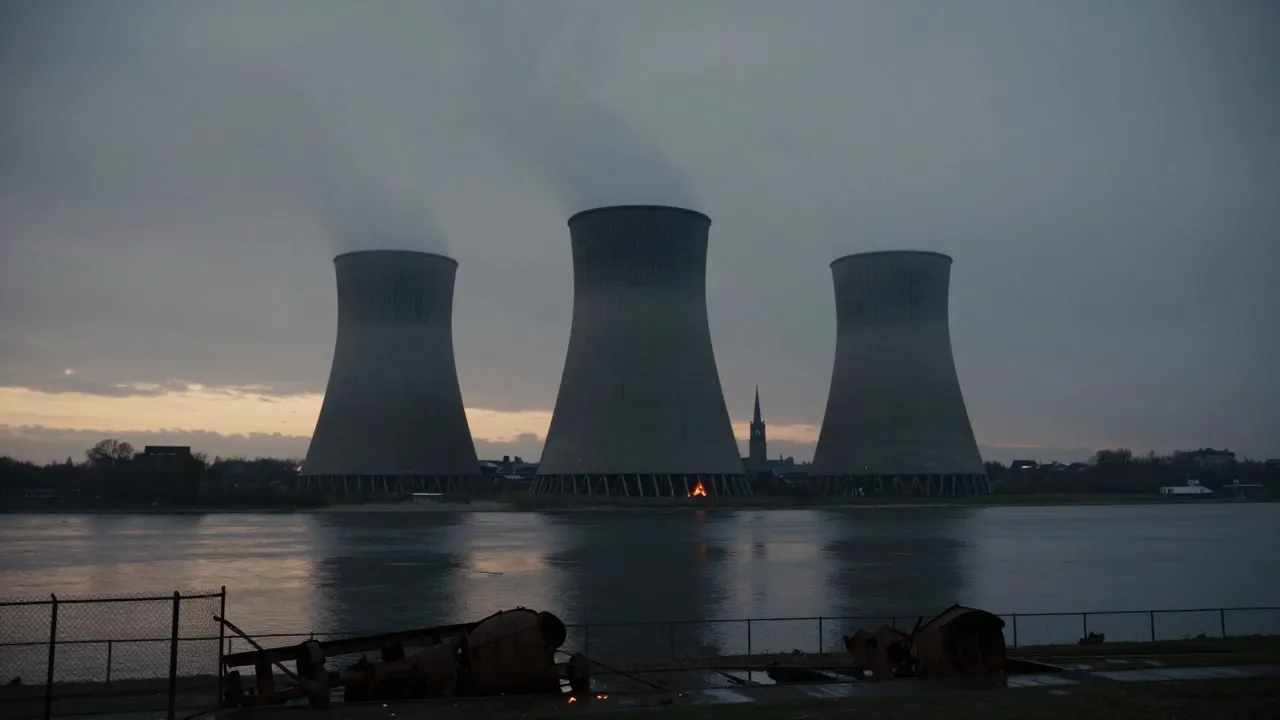
In all cases, the state mobilizes legal and political instruments to return private assets to the public domain and renegotiate the balance of power between the state and capital, in the words of the IMF’s own analysis. It remains to be seen whether this renegotiation truly benefits peoples and their nations, or if it merely shifts the locus of power toward new technocratic arbitrations - between states, blocs, and major industrial players - without citizens gaining any effective democratic control over the strategic choices that shape their energetic, industrial, and territorial future.
A Structuring Divergence: China, the United States, Europe
The American case - a state equity stake in the nation’s sole producer of rare earths - resembles a defensive industrial policy in the face of critical dependence on Asian supply chains. The Russian case, massive and rapid since 2022, stems from a logic of economic warfare and retaliation against Western sanctions. Western Europe, meanwhile, is moving in scattered order: France and Germany are nationalizing sector by sector, often in the urgency of energy crises, without a common doctrine emerging at the European Union level.
This lack of a shared strategic line raises the question of whether European nationalizations represent a resurgence of national sovereignty or merely the defensive, case-by-case management of an already established energy and industrial dependence.
What This Shift Reveals
History teaches us that major waves of nationalization occur when the previous consensus - here, that of free trade and laissez-faire - crumbles under the pressure of crises. The current movement is neither a return to state socialism nor a matter of opportunistic electoral protectionism: it reflects, across sometimes opposing political configurations, the search for a new relationship between public power and strategic assets.
A fundamental question remains, which the coming years will answer: will this nationalization movement restore to European nations control over their vital infrastructure and economic destiny, or will it merely substitute one technocratic and financial dependence for another, without ever restoring the democratic control that citizens demand over the choices that shape their sovereignty?