
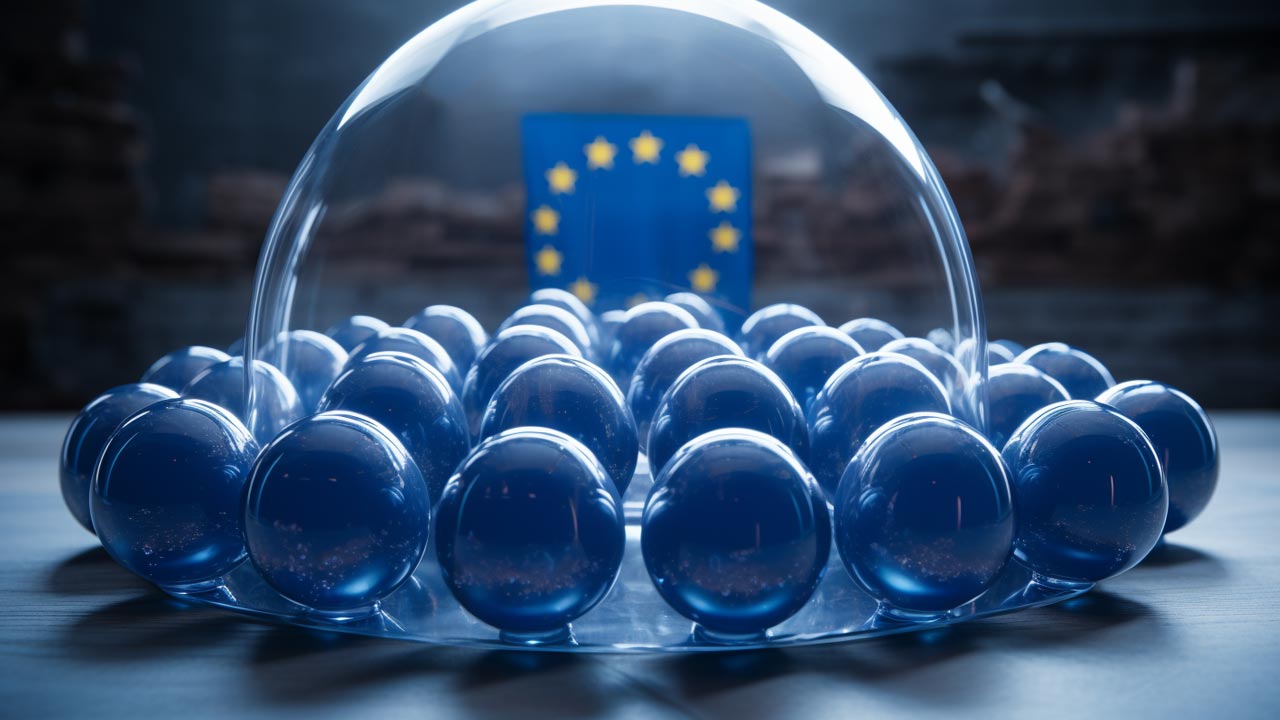
As the world remains in the grip of a relentless pandemic - with a mortality rate approaching 30%, a profound social crisis, and an economic collapse unseen since 1929 - a medical revelation is shaking the European continent. The latest public health studies confirm a major side effect of vaccination campaigns from recent years: a drastic decline in fertility across the population. To counter this looming demographic crisis and the long-term threat it poses to pension systems, an unprecedented initiative has been launched across Europe: a continent-wide campaign for the collection of sperm and eggs.
An Unexpected Fertility Crisis
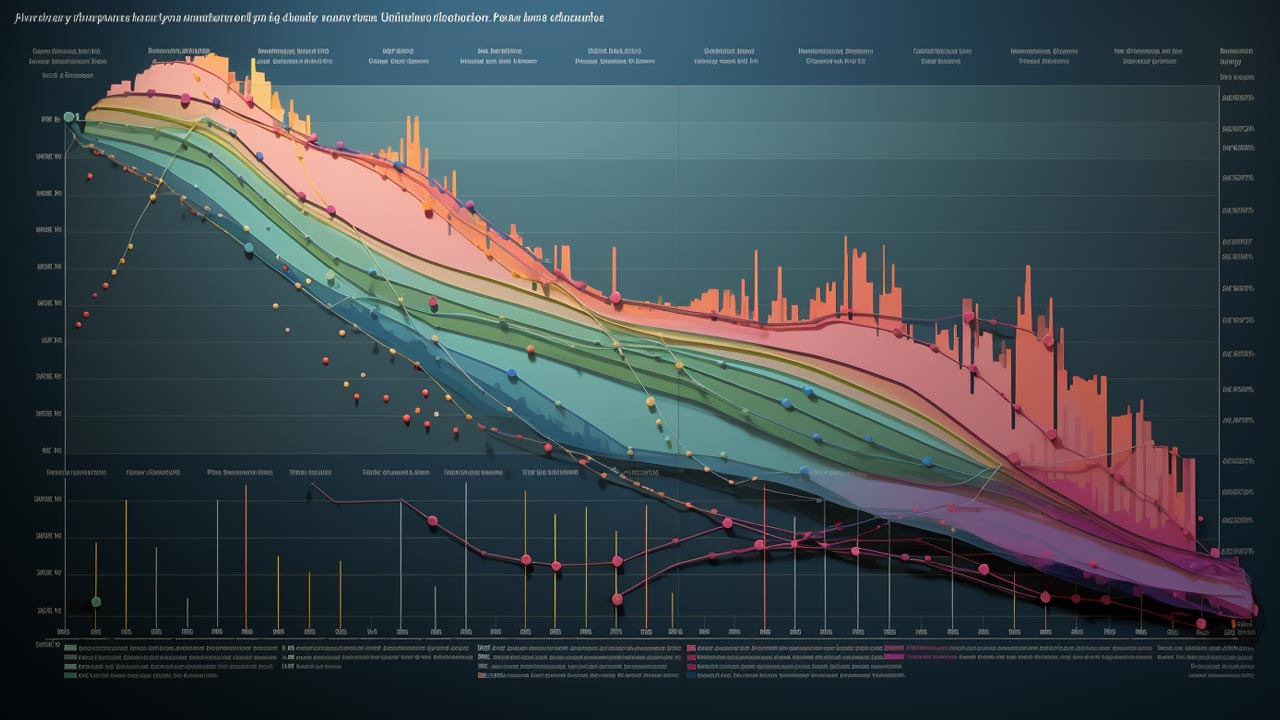
After years of battling successive global epidemics, public health authorities now face a challenge unlike any before. Vaccines, though crucial in containing disease, appear to have a devastating impact on reproductive capacity. The statistics reveal an alarming collapse in fertility, placing the renewal of future generations in jeopardy.
The Collection Campaign: A Hope for the Future
Europe has moved swiftly in the face of this crisis by deploying a massive gamete collection campaign. Temporary collection centres have been established in every major city, offering citizens the opportunity to contribute to the preservation of European demographics. The programme aims not only to stockpile a significant quantity of gametes for future use, but also to raise public awareness of the stakes surrounding fertility.

Ethical and Logistical Questions
Vital as it is, this initiative raises a host of ethical and logistical questions. The collection, storage, and future use of gametes present unprecedented challenges, demanding careful consideration of consent, confidentiality, and genetic rights. Moreover, managing the logistics of a campaign considered the largest biological collection effort in history requires robust organisation and infrastructure.

Reactions and Perspectives
The gamete collection campaign has received a mixed reception among citizens. While some see it as a proactive measure against an inevitable demographic crisis, others voice concerns about the long-term implications of biological data collection at such a scale. Nevertheless, this initiative marks a decisive turning point in how Europe envisions its demographic future and the contemporary health challenges it must confront.
This European gamete collection campaign, mounted in response to the post-vaccination fertility collapse, is a bold wager on the future. It represents a collective effort to preserve the population’s capacity for reproduction, while simultaneously raising new questions about ethics and public health governance in the years ahead.