

The World Economic Forum (WEF), known for bringing together the economic and political elite in Davos, has pursued its ambition of shaping better global governance across the decades. Yet a succession of crises has exposed the limits and the failures of the organisation in its quest for a more stable and integrated world. From the oil crisis of 1973 to the collapse of the Soviet bloc, through to the Asian financial crisis of 1997, the WEF attempted to play the role of mediator and adviser, more often than not without the success it had hoped for.
The Oil Crisis of 1973: A First Test, Failed
In 1973, the world was shaken by an unprecedented oil crisis when the OPEC nations declared a petroleum embargo, triggering a surge in prices and a severe disruption of the global economy.
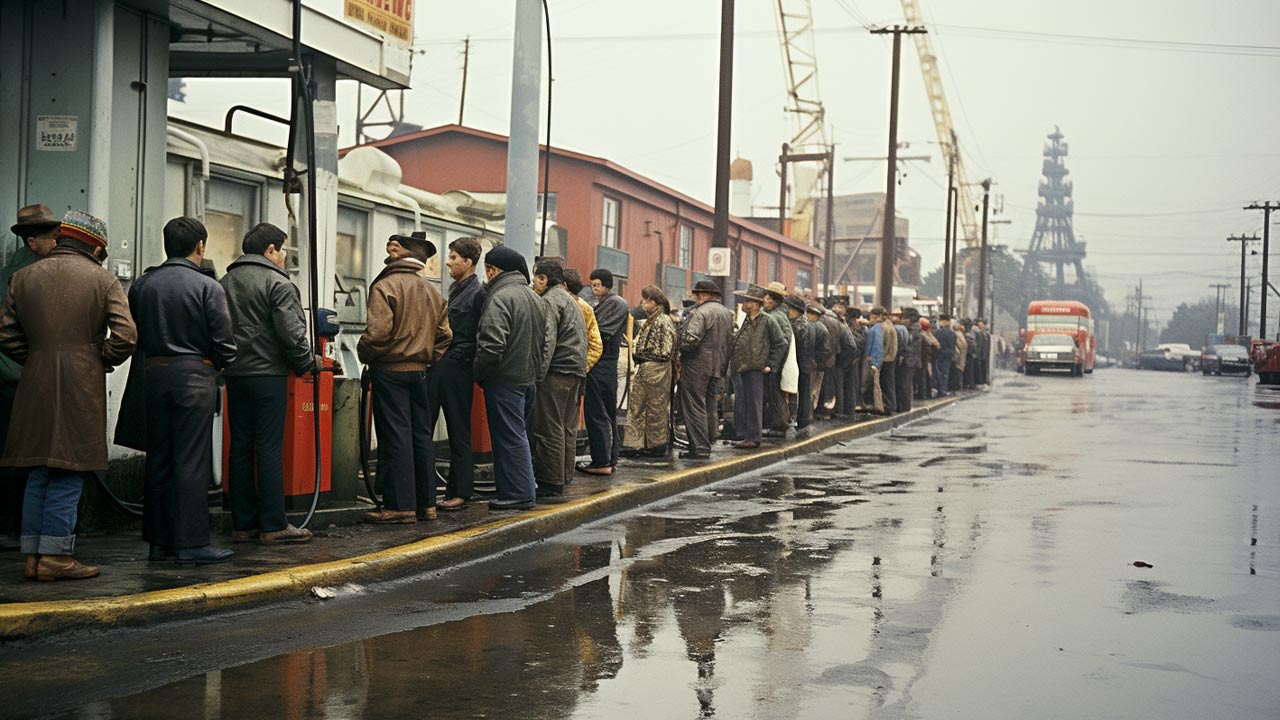
The WEF sought to facilitate negotiations between oil-producing and oil-consuming nations. Despite its efforts, the organisation came up against the complexity of geopolitical stakes, revealing an inability to exert meaningful influence over global oil policies.
The Fall of the Soviet Bloc: Underestimating the Challenges
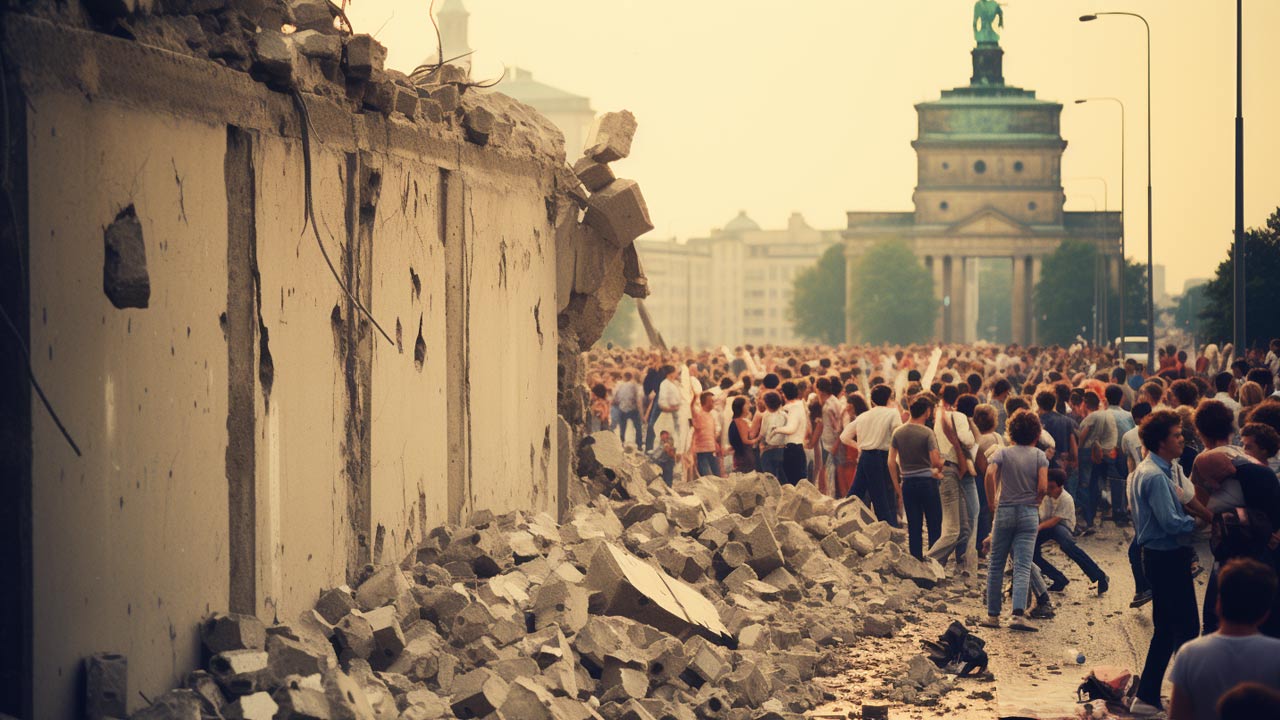
The period from 1989 to 1991 marked the end of the Cold War and the beginning of major political and economic transitions in countries formerly under Soviet influence. The WEF set out to guide this shift towards market economies and democracy. Yet the organisation had grossly underestimated the cultural and political resistance it would encounter, finding itself confronted with challenges far more formidable than anticipated.
The Asian Financial Crisis of 1997: Controversial Interventions
The Asian financial crisis revealed another dimension of the WEF’s limitations. In attempting to intervene and stabilise the markets, the WEF’s actions and recommendations were perceived as neo-colonial by many of the affected countries. Rather than easing tensions, these interventions exacerbated socio-economic divisions and underscored the difficulty of offering uniform solutions to highly diverse problems.

Lessons for the Future
The WEF’s failures illuminate the inherent difficulties of managing global crises within a complex and deeply interconnected international environment. They underline the importance of gaining a thorough understanding of local contexts and of fostering a more inclusive and diversified approach to crisis resolution. As the world continues to face new challenges, the role of the WEF and organisations of its kind remains critical - yet must evolve to account for the lessons of the past.