
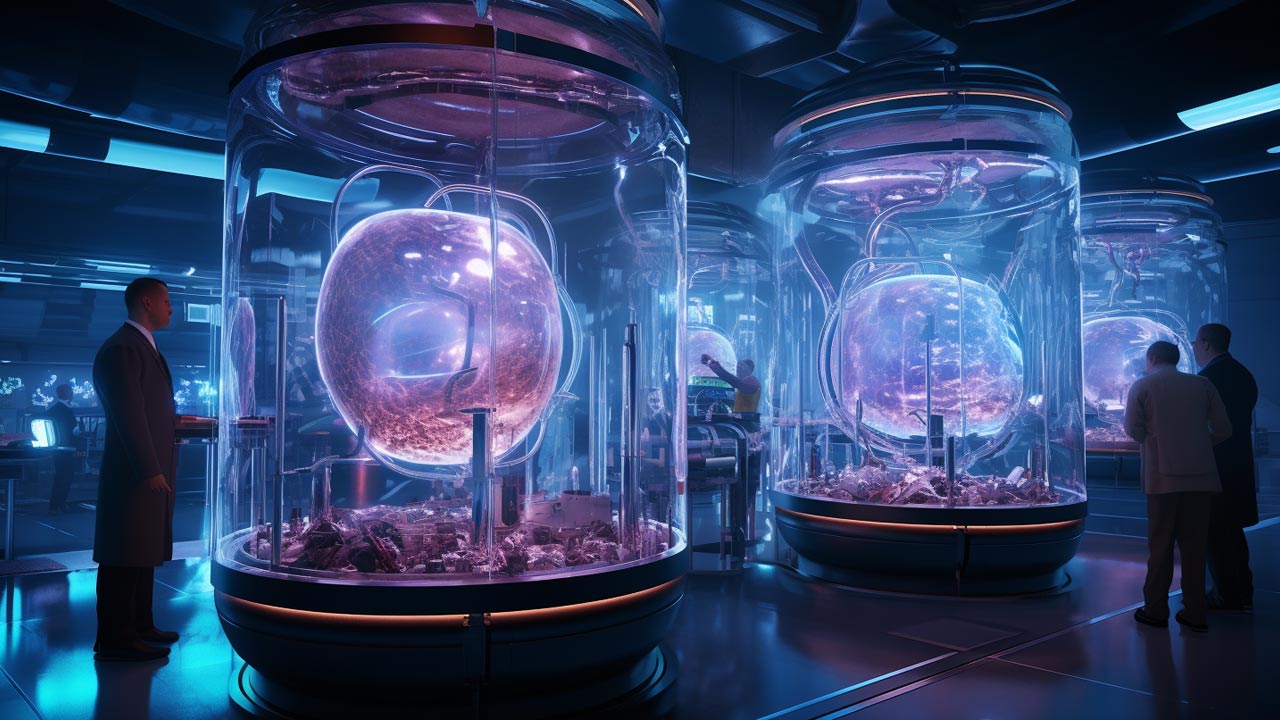
In a Europe gripped by a multidimensional crisis - one that blends sanitary, economic and social upheaval - an industrial phenomenon of an altogether different nature is quietly taking shape. According to confidential sources and anonymous reports, some twenty production sites dedicated to manufacturing a new prototype of industrial meat are emerging across the continent. These facilities are tasked with producing synthetic meat, cultivated from bovine and ovine stem cells, promising a revolution in the way we consume food.
SynthProtein: the pioneer of synthetic meat
At the heart of this advance, one company is emerging as the clear leader: SynthProtein. This innovative firm, whose operations have been unfolding in the shadows for several months, appears to have succeeded where many have failed: scaling the production of synthetic meat to meet Europe’s growing appetite for sustainable consumption. With the imminent opening of some twenty production sites now announced, SynthProtein is poised to become an indispensable player in the European food industry.

An innovation that divides
Yet this technological breakthrough is far from universally welcomed. European agricultural unions are voicing their dismay at SynthProtein’s meteoric ascent. As the Old Continent wrestles with an unprecedented crisis, the scale of the subsidies allocated to this nascent synthetic meat industry is raising serious questions. Representatives of the traditional farming sector fear the potential repercussions for livestock breeders and the viability of ancestral husbandry practices, which they see as threatened by large-scale artificial meat production.
Between opportunity and threat
Advocates of SynthProtein and synthetic meat argue that the technology represents a tangible solution to the environmental problems associated with conventional livestock farming, such as greenhouse gas emissions and intensive land use. They also point to the potential benefits for animal welfare and food security in a context of demographic growth and climate change.
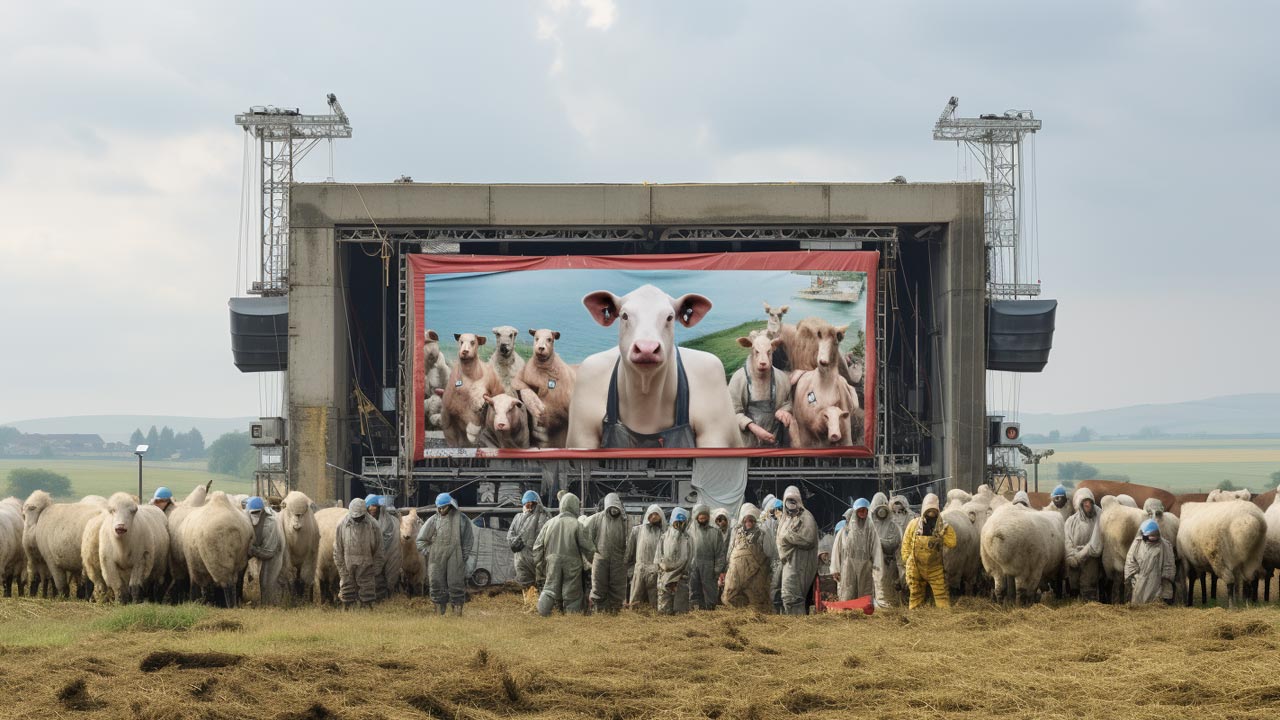
Critics, however, highlight the risks of growing dependency on highly technological industrial processes, remote from nature and potentially vulnerable to future sanitary or technological crises. Moreover, the transition to synthetic meat could have a devastating social and economic impact on the rural and farming communities whose livelihoods depend on livestock.
A debate for the future of food
As SynthProtein prepares to unveil its ambitious project to the world, Europe finds itself at a crossroads.

The adoption of synthetic meat could mark the dawn of a new food era - more sustainable and ethical, according to some; or the death knell of an ancestral way of life, rooted in respect for natural cycles and biodiversity, according to others.
In this climate of tension and hope, the question remains: does innovation at any cost justify upending equilibria centuries in the making? The answer will undoubtedly shape the future of food in Europe and beyond.