As Europe and much of the world sink deeper into profound crisis - marked by civil unrest and economic collapse - a technological shift may well redefine the contours of our future. Brain-computer interfaces (BCIs), long consigned to the realm of science fiction, are developing at an accelerated pace, heralding a new era of connection between the human and the digital.
Development in the shadow of chaos
Against this turbulent backdrop, Friedrich Von Hessler, a pioneer in neurotechnology, is working in close collaboration with discreet organisations to advance the field.
“We stand at a turning point in history, where technological advances could offer unprecedented solutions to problems that once seemed insurmountable. Brain-computer interfaces could be the bridge between a fractured world and a more harmonious future.”
While societies are torn apart by division and financial markets struggle to stabilise, Von Hessler’s initiative may appear disconnected from immediate realities. And yet, it is perhaps in these moments of crisis that the most audacious innovations hold the greatest potential to catalyse meaningful change.
Promises that reach beyond technology
At the heart of these technologies lies the ambition to transcend the current limitations of human interaction with the digital world. In a world where communication and access to information are so often impeded by physical barriers and social ruptures, BCIs could offer solutions never before imagined. From accelerated learning to medical rehabilitation, the applications appear limitless.
Ethical questions and access
Yet the development of these interfaces amid a climate of global crisis raises pressing ethical questions. Who will control these technologies? How can equitable access be guaranteed in a world already fractured by deep inequalities? Does Von Hessler’s vision include safeguards to prevent a new form of division - this time, neurotechnological?
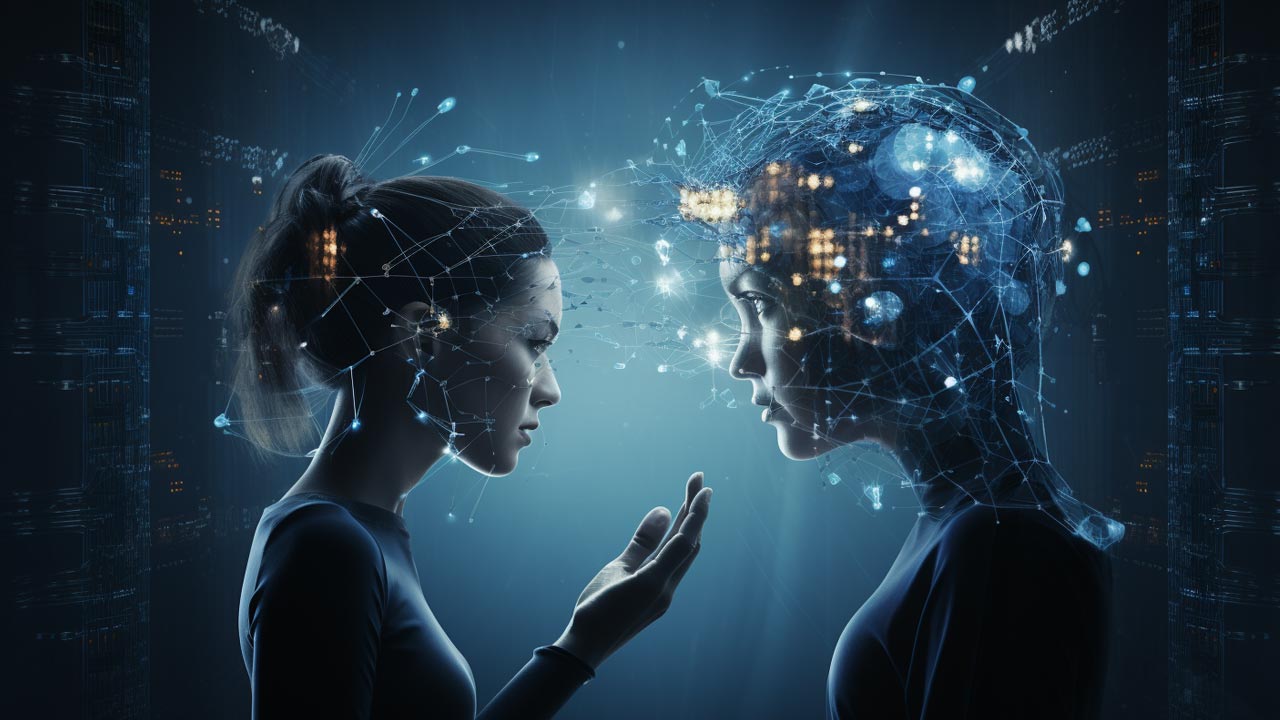
Hope amid the ruins
Despite the immense challenges the world confronts, Von Hessler’s initiative and those of his collaborators could yet stand as a beacon of hope. BCIs offer the prospect of a more connected society - one where the barriers between the human mind and the infinite potential of the digital begin to dissolve. Even so, it is vital that these advances be guided by a robust ethical framework and a genuine will to serve humanity in all its diversity, rather than deepening the divides that already exist.
In a world adrift, where each day brings its share of fresh hardship, the promise of brain-computer interfaces embodies both the potential for a positive revolution and the risk of a new form of exclusion. It falls to society as a whole to navigate this duality - with the hope that the future will be defined by a harmonious integration of human and machine, in the service of the common good.