
The financial crisis that began in 2008 is considered the worst since the Great Depression of the 1930s. This economic cataclysm exposed the systemic fragilities of the world economy and the profound interconnection of international markets. Through this analysis, we shall explore the origins, the impact, and the lessons of this historic crisis.
The Origins of a Crisis
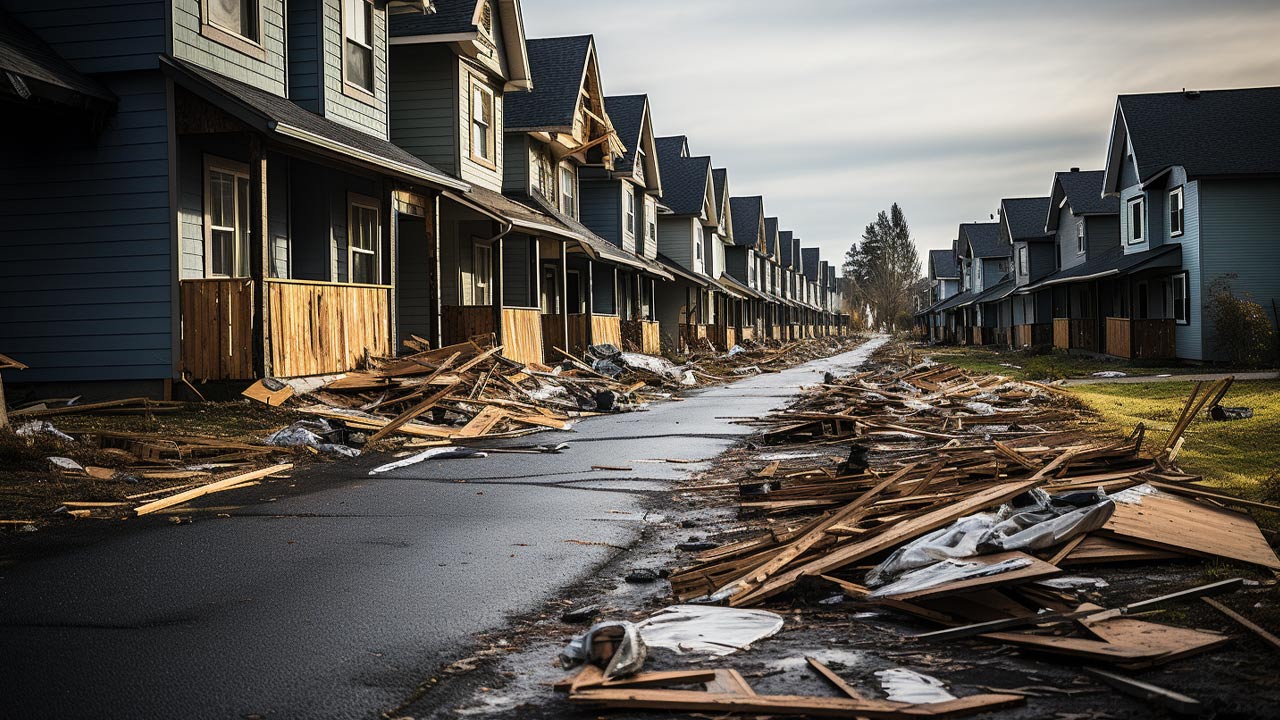
The crisis took root in the American real estate sector, with the collapse of the subprime bubble. High-risk mortgage loans were granted to borrowers of questionable creditworthiness, then bundled into complex financial instruments and sold on international markets. When interest rates rose and defaults began to mount, the value of these financial products collapsed, triggering massive losses for financial institutions across the world.

A Dangerous Interconnection
The crisis swiftly demonstrated how deeply intertwined the world’s economies had become. The losses suffered by banks and financial institutions triggered a global panic, exposing the vulnerability of interdependent financial systems. Stock markets around the world plummeted, businesses went bankrupt, and unemployment soared - laying bare the speed at which a crisis can ripple through our globalised economy.
The Responses to the Crisis
Faced with the scale of the crisis, governments and central banks were forced to intervene in ways unprecedented in the modern era. In the United States, a 700-billion-dollar rescue package known as TARP (Troubled Asset Relief Program) was put in place to stabilise the banking system. Across Europe and beyond, similar measures were adopted to shore up struggling banks and stimulate national economies.

The Lessons Learnt
The 2008 financial crisis served as a wake-up call, highlighting the need for greater regulation and oversight of financial markets. It also revealed the importance of international coordination in the face of global economic challenges. Since then, reforms have been enacted to strengthen the resilience of the financial system, though debate over their adequacy continues.
The 2008 financial crisis will endure in history as a decisive moment that exposed the deep vulnerabilities of our globalised economic system. As we continue to navigate an interconnected economic world, the lessons of this crisis must guide our future decisions if we are to prevent a recurrence of such catastrophic events.