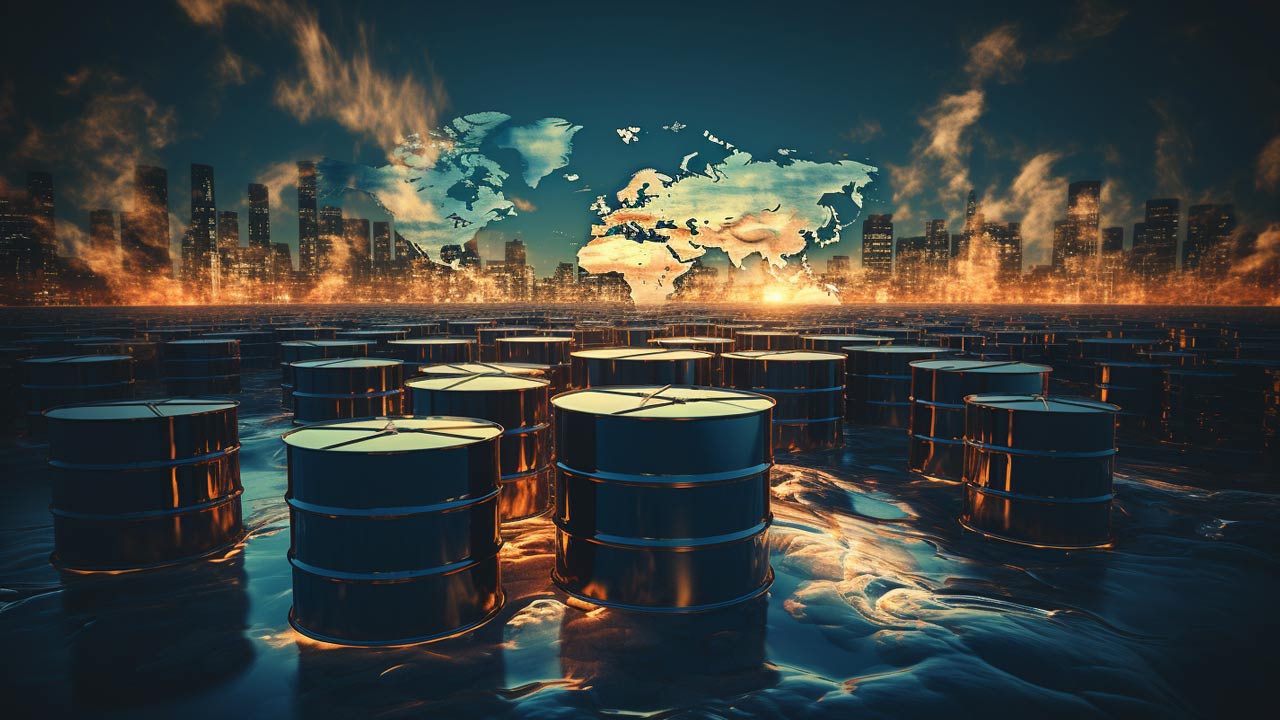
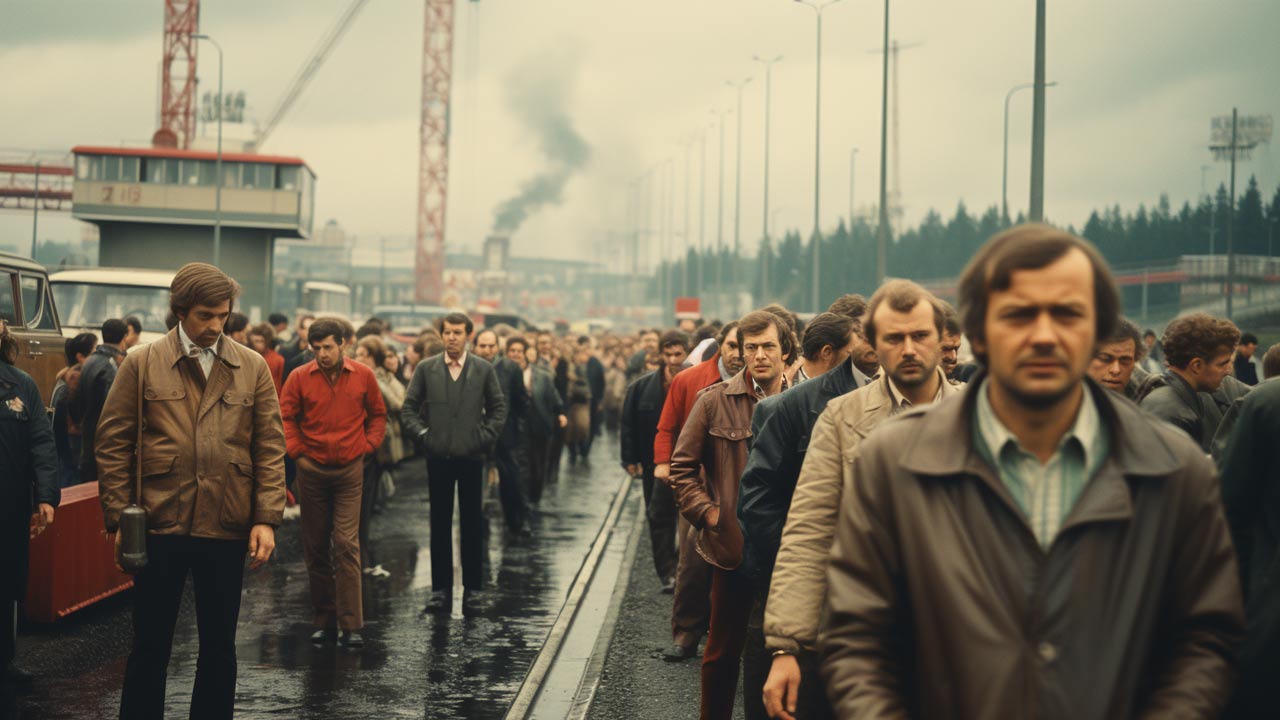
In this October of 1973, the world is witnessing an unprecedented crisis that shakes the foundations of the global economy and lays bare, with brutal clarity, the vulnerability of nations in the face of external shocks. This oil crisis - triggered by the decision of the OPEC member states (Organisation of the Petroleum Exporting Countries) to cut production and raise prices - marks a historic turning point in international and economic relations.
A World Suddenly Parched
The OPEC decision comes against a backdrop of heightened tensions in the Middle East, fuelled in large part by the Yom Kippur War. The repercussions of this spectacular surge in oil prices are immediate and severe for Western economies, deeply dependent on this resource for their energy supply. The cost of energy soars, bringing with it inflation, recession, and a brutal awakening to the fragility of global energy security.
The Lessons of a Crisis
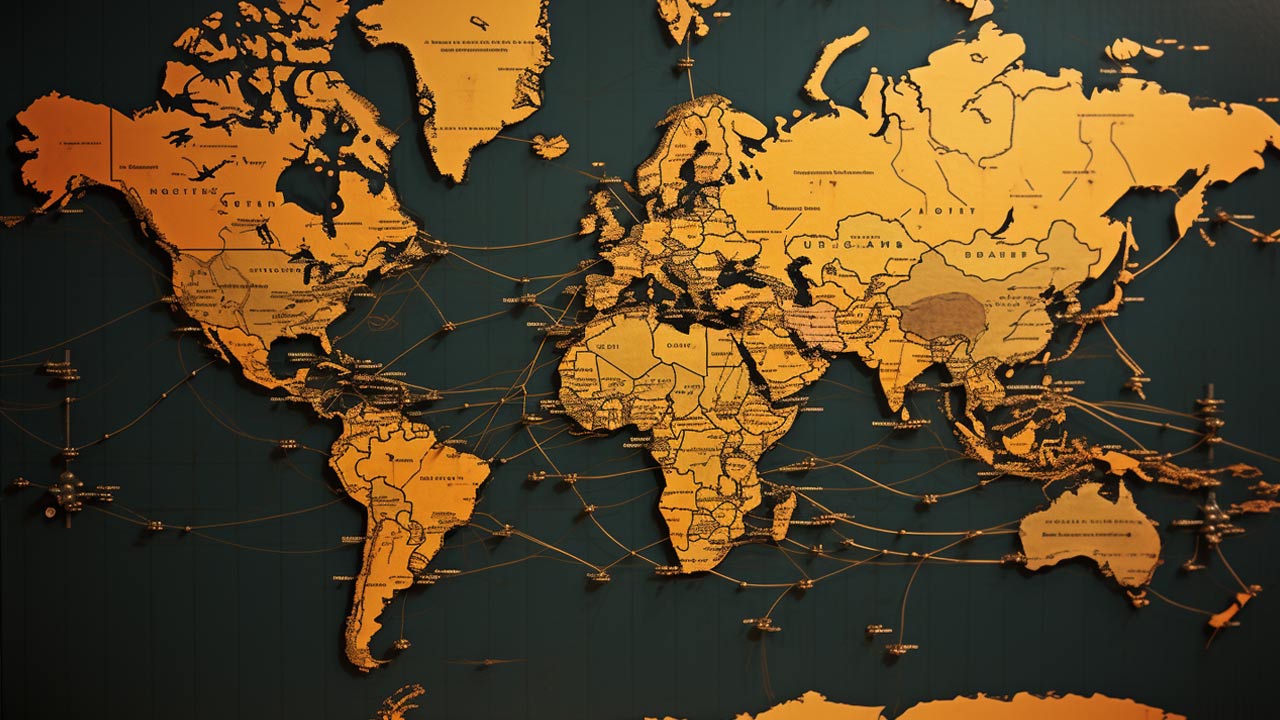
This crisis has exposed the fragility of Western economies - too confident in the stability and abundance of their oil supply. It has also underscored the strategic importance of the Middle East in the global geopolitical balance, and the urgent need for consumer nations to diversify their energy sources and rethink their model of economic growth.
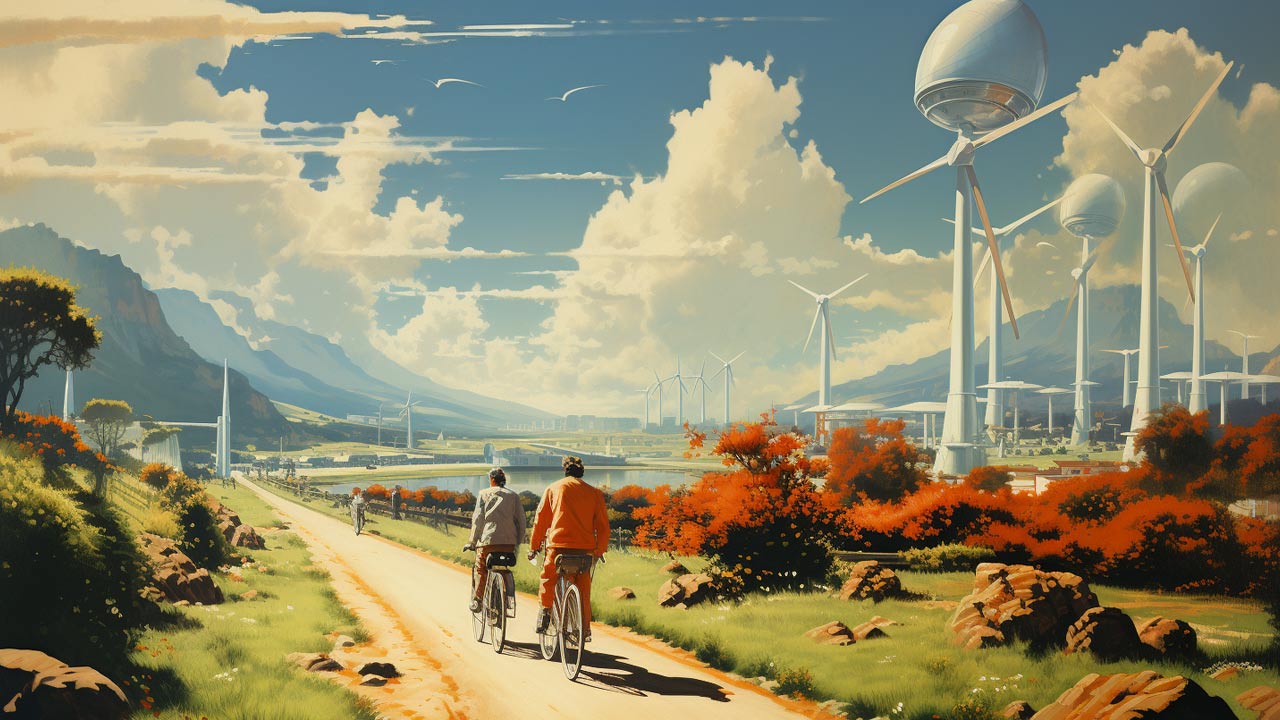
The response to the crisis has been manifold: energy conservation measures, the development of alternative energy sources, and policies aimed at reducing dependence on oil. Yet the road towards genuine energy security and an economy less vulnerable to external shocks remains long, and strewn with obstacles.
Towards a New World Balance
The 1973 oil crisis acted as a catalyst, accelerating shifts in global energy and economic policy. It also served as a stark reminder that natural resources - so vital to our development - are not only finite, but a source of tension and conflict.
As we continue to navigate the troubled waters of the global economy, the 1973 oil crisis remains a haunting reminder of our collective vulnerability and of the imperative need to build a more sustainable and resilient future.