
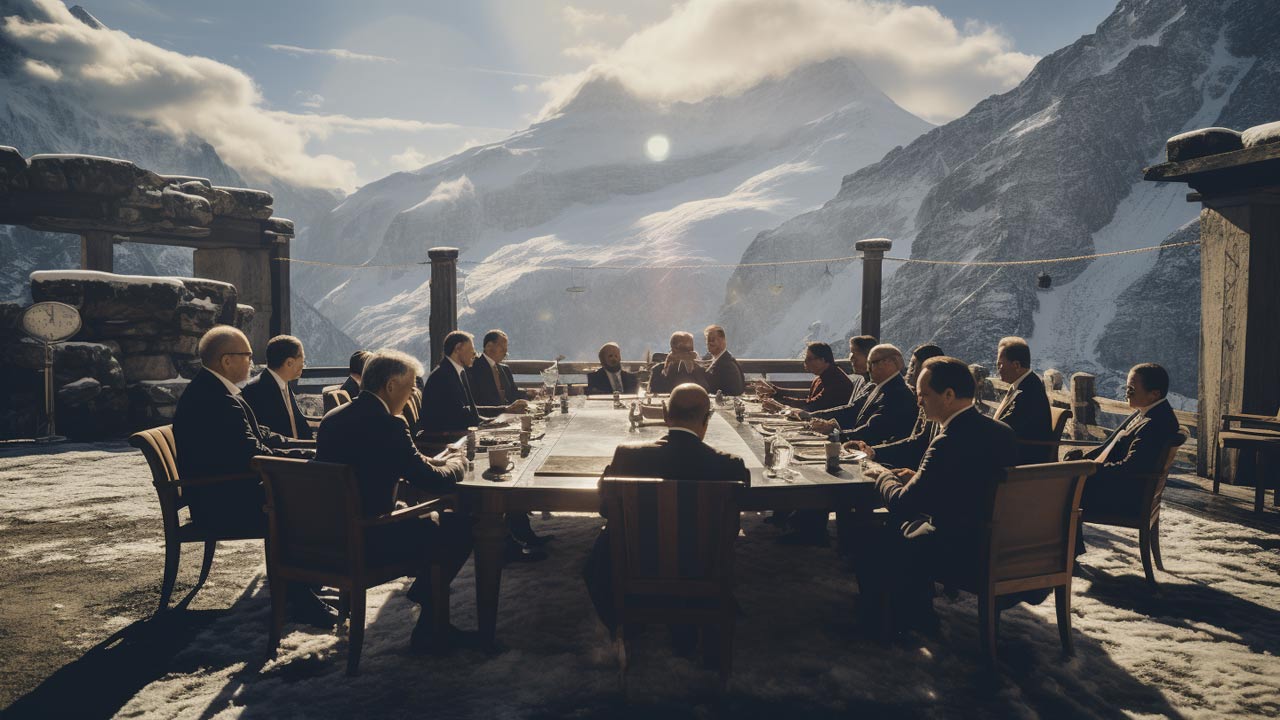
On 24 January 1971, a landmark event for the global economy and international cooperation took place in Davos, Switzerland: the creation of the World Economic Forum (WEF). Founded by Klaus Schwab, a German economist and engineer, the WEF swiftly established itself as an indispensable platform bringing together economic, political, and even cultural leaders from across the world to debate and find solutions to the planet’s most pressing problems.
An Innovative Forum for Global Dialogue
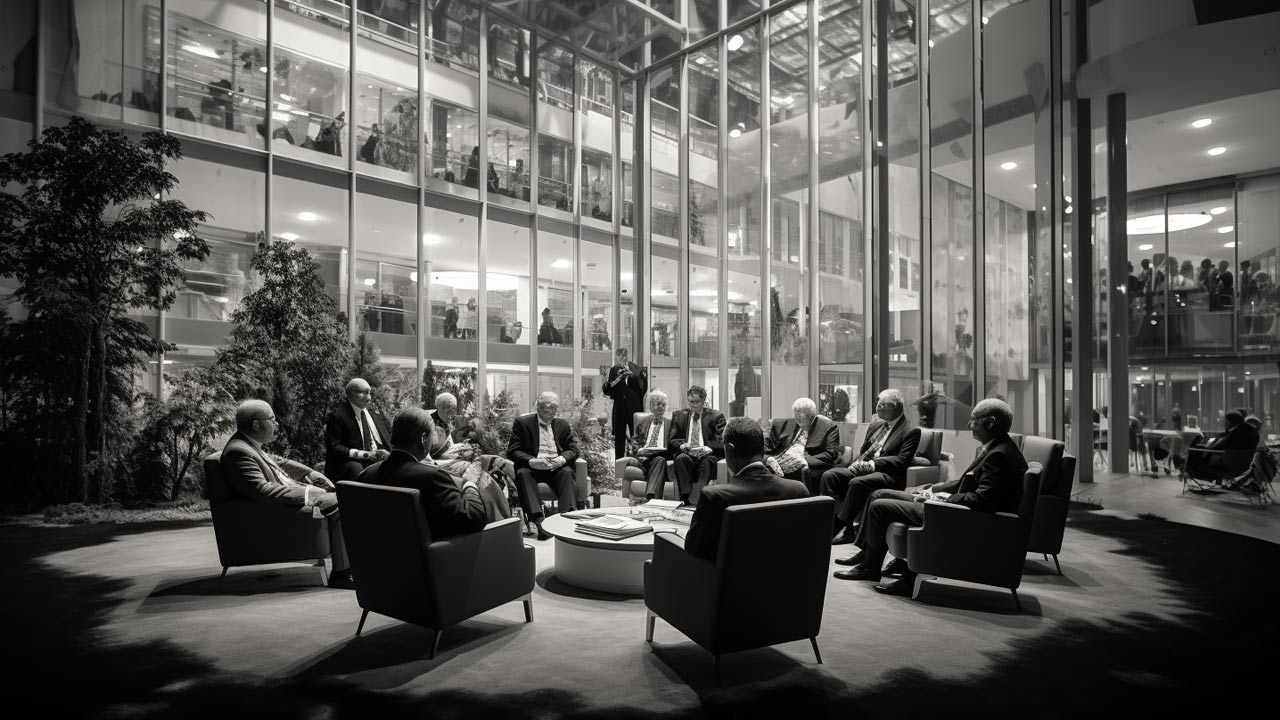
The idea behind the WEF was revolutionary for its time: to create a neutral space where actors from different sectors and countries could meet, exchange ideas, and collaborate to improve the state of the world. By bringing together heads of state, multinational CEOs, intellectuals, and journalists, the Forum aimed to break down the traditional silos separating the sectors of society.
Since its inaugural meeting, the Forum has broadened its scope well beyond purely economic questions to encompass subjects such as health, the environment, and even culture. This holistic approach reflects the understanding that global challenges are interconnected and require multisectoral collaboration.
An Impact Beyond the Annual Gathering
Although the WEF is best known for its annual assembly in Davos, which draws participants of the highest calibre, its influence extends far beyond that single meeting. The Forum engages in a multitude of projects throughout the year, aimed at promoting initiatives in favour of the circular economy, the fight against climate change, and sustainable development.
The WEF’s importance lies in its capacity to bring critical issues to light and to mobilise resources and commitments from world leaders. For instance, the Forum has played a key role in advancing dialogue on the climate crisis and has encouraged businesses to adopt more responsible practices.
Towards a Collaborative Future
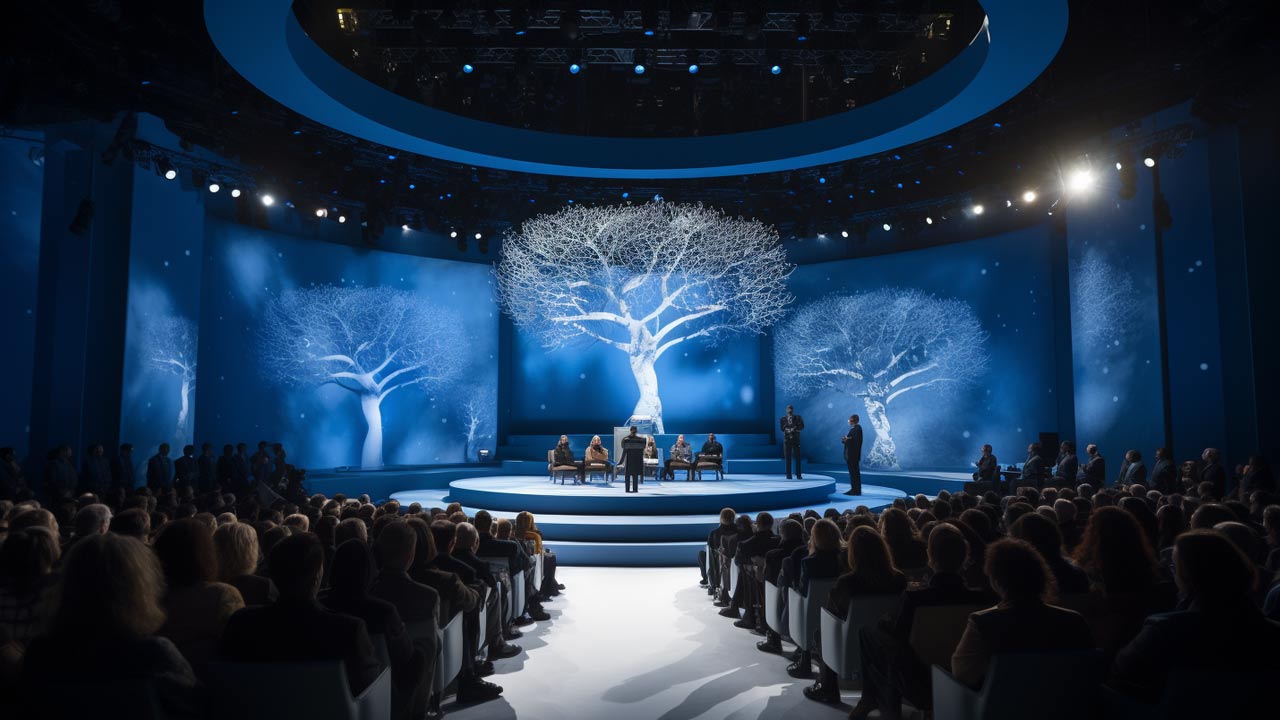
As a reflection of global trends and worldwide concerns, the WEF continues to evolve in order to remain relevant in the face of emerging challenges. Its role as a catalyst for positive change is more crucial than ever, at a time when global problems demand unprecedented cooperation between nations and sectors.
The birth of the WEF in 1971 thus marked the beginning of a new era of dialogue and international cooperation, underscoring the importance of cross-border collaboration in meeting the challenges of the 21st century. It is a powerful reminder that, in an ever more interconnected world, our destinies are inextricably bound together.