
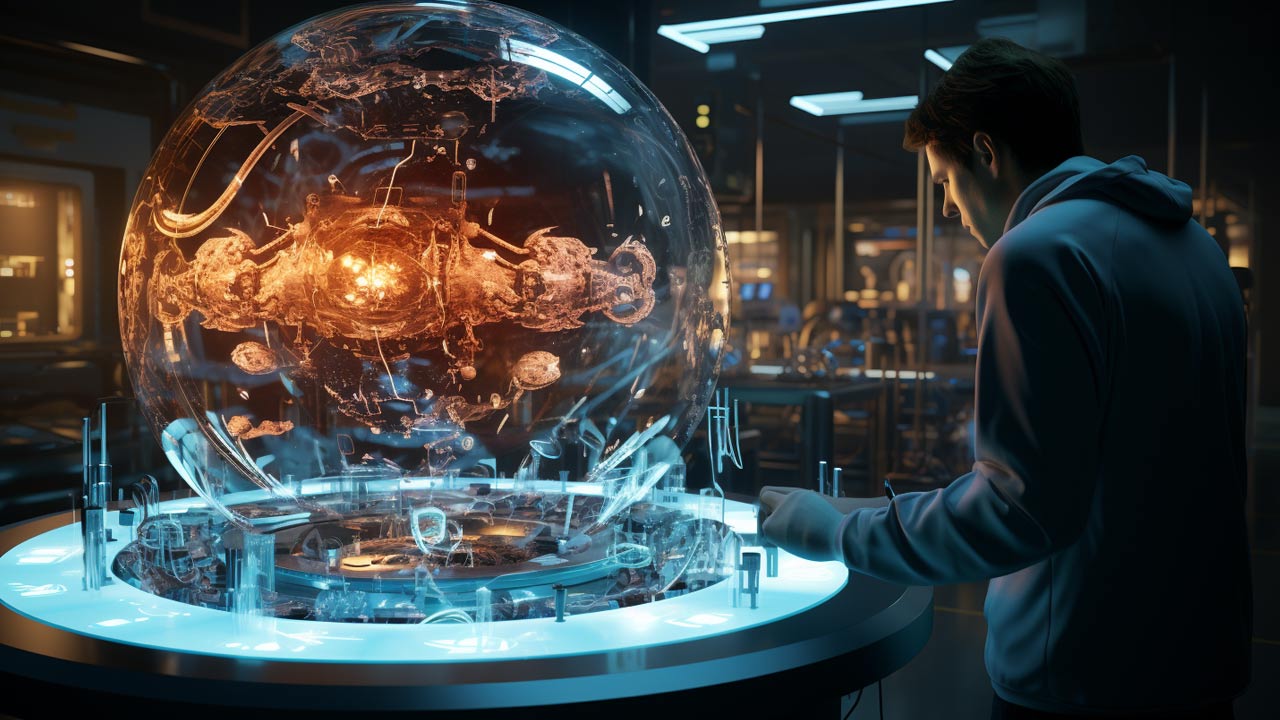
The boundaries between medicine, technology, and artificial intelligence grow thinner by the day, paving the way for unprecedented advances in neuroscience. As researchers across the globe explore innovative solutions for diseases long deemed incurable, a new avenue is capturing the scientific community’s attention: the development of advanced therapeutic alternatives combining genetics and neurotechnology.
At the Crossroads: Genetics and Neuroscience
Still at the experimental stage, this research envisions the use of cutting-edge techniques to circumvent the current limitations of neurological treatments. Although the specifics of these methods remain shrouded in discretion, sources close to academic circles suggest that the approach could revolutionise the way we understand neurodegenerative diseases and disorders of the brain.
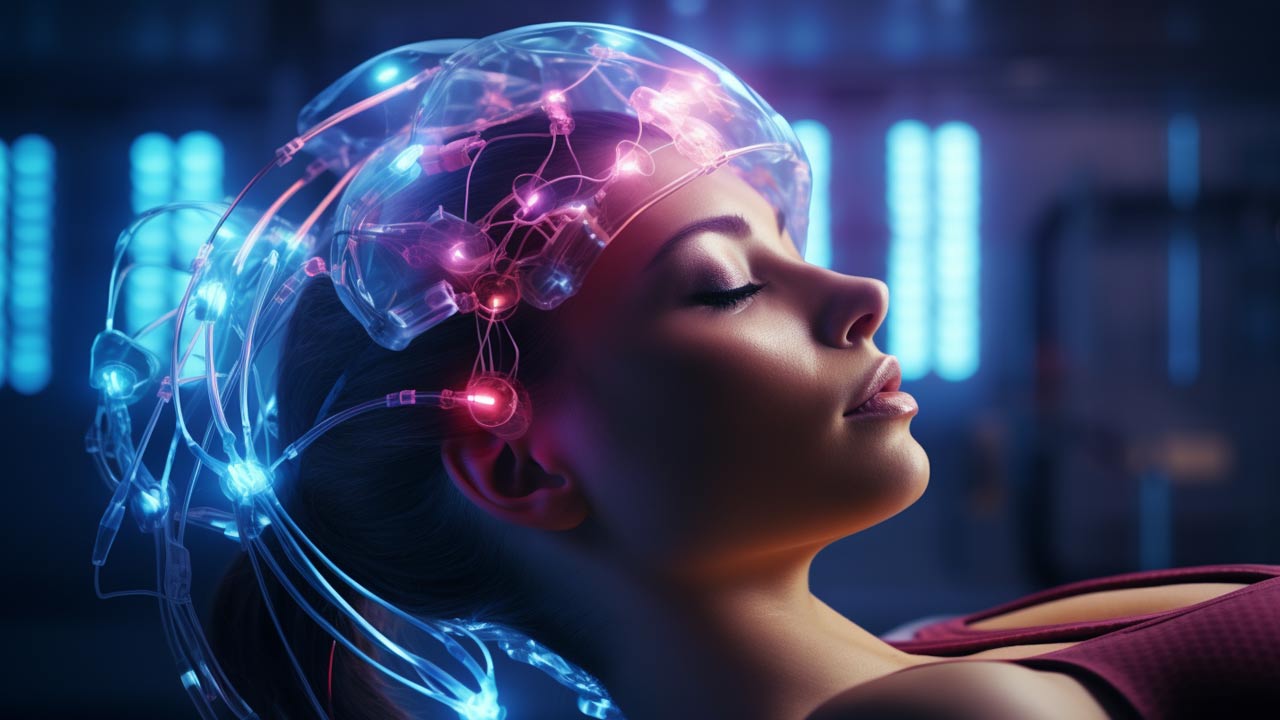
“Meeting the most formidable challenges of our age demands a boldness that transcends the boundaries of conventional science. We stand at the dawn of an era in which the courage to rethink the impossible may well prove our greatest virtue.” - Dr. F. Von Hessler, Neuroscientist
A Future Free of Neurodegenerative Disease
One of the central lines of enquiry in this research involves adapting gene therapy to make the brain more receptive to neurotechnological treatments, without the harmful side effects observed with current techniques. This bold approach would involve targeted genetic modifications, enabling a more harmonious interaction between the human brain and advanced technological devices.
The implications of such a breakthrough are far-reaching. Not only could it open the door to personalised treatments for conditions long considered untouchable, it also raises profound ethical and moral questions. How far are we prepared to go in modifying our own biology to fight disease? And what guarantees do we have that these technologies will not be diverted towards less noble ends?
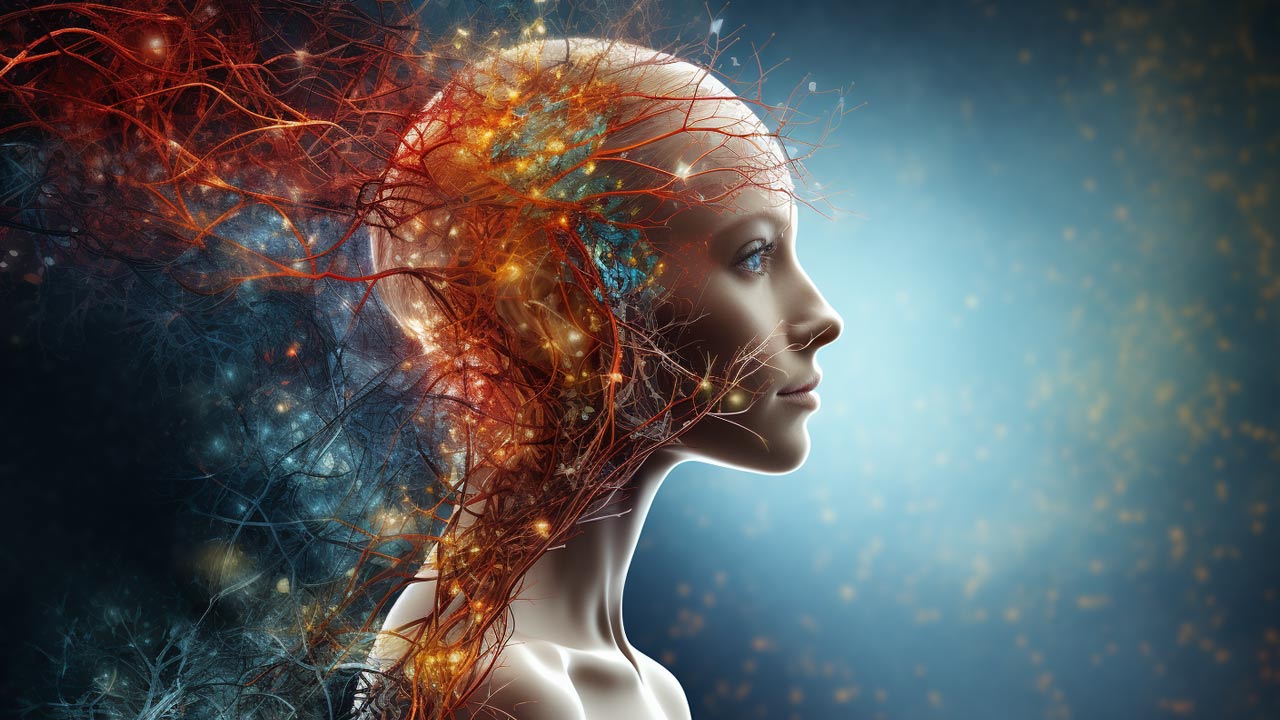
The Future of Medicine: Between Innovation and Responsibility
As the debate rages on, researchers remain focused on their goal: discovering solutions that may one day free humanity from some of its greatest suffering. The alternatives under study today could well become the treatments of tomorrow, heralding a new era in the fight against neurological disease.
Neuroscience research stands on the threshold of a revolution, driven by the hope and promise of a future in which illness gives way to healing. Whether these advances will live up to their promise remains to be seen, but one thing is certain: the intersection of technology, genetics, and medicine has never been more fertile.